
Choosing the Proper Tent Weights for Your Tent
Outdoor events bring a special kind of charm, though they also come with a few logistical hurdles. One detail that deserves attention sits right at ground level: tent weights. If you want your setup to stay secure and look polished from start to finish, it pays to get this part right. Choosing the proper tent weights for your tent sets the tone for safety, peace of mind, and a smooth event day. Find out how to get the right weights for your tent today.
Why Tent Weights Matter More Than You Think
Tent weights do more than hold things in place. They protect guests, safeguard equipment, and help your event run without interruptions. A tent without proper anchoring can shift or lift under pressure from wind, and that can create serious problems. With the right approach, you will avoid those risks and keep your focus where it belongs—on your guests and your celebration.
At first glance, tent weights may seem like a minor detail. In reality, they play a major role in the overall structure of your setup. Even a light breeze can put pressure on a tent canopy, especially larger ones with high peaks or wide spans.
A properly weighted tent stands firm through changing conditions. It stays aligned, keeps tension on the fabric, and prevents movement that could disrupt decorations. Guests may never notice the weights themselves, but they benefit from the stability they provide.
Types of Tent Weights You’ll See
Not all weights look the same, and each type serves a specific purpose. The right choice depends on your surface, tent size, and overall layout.
Concrete Weights
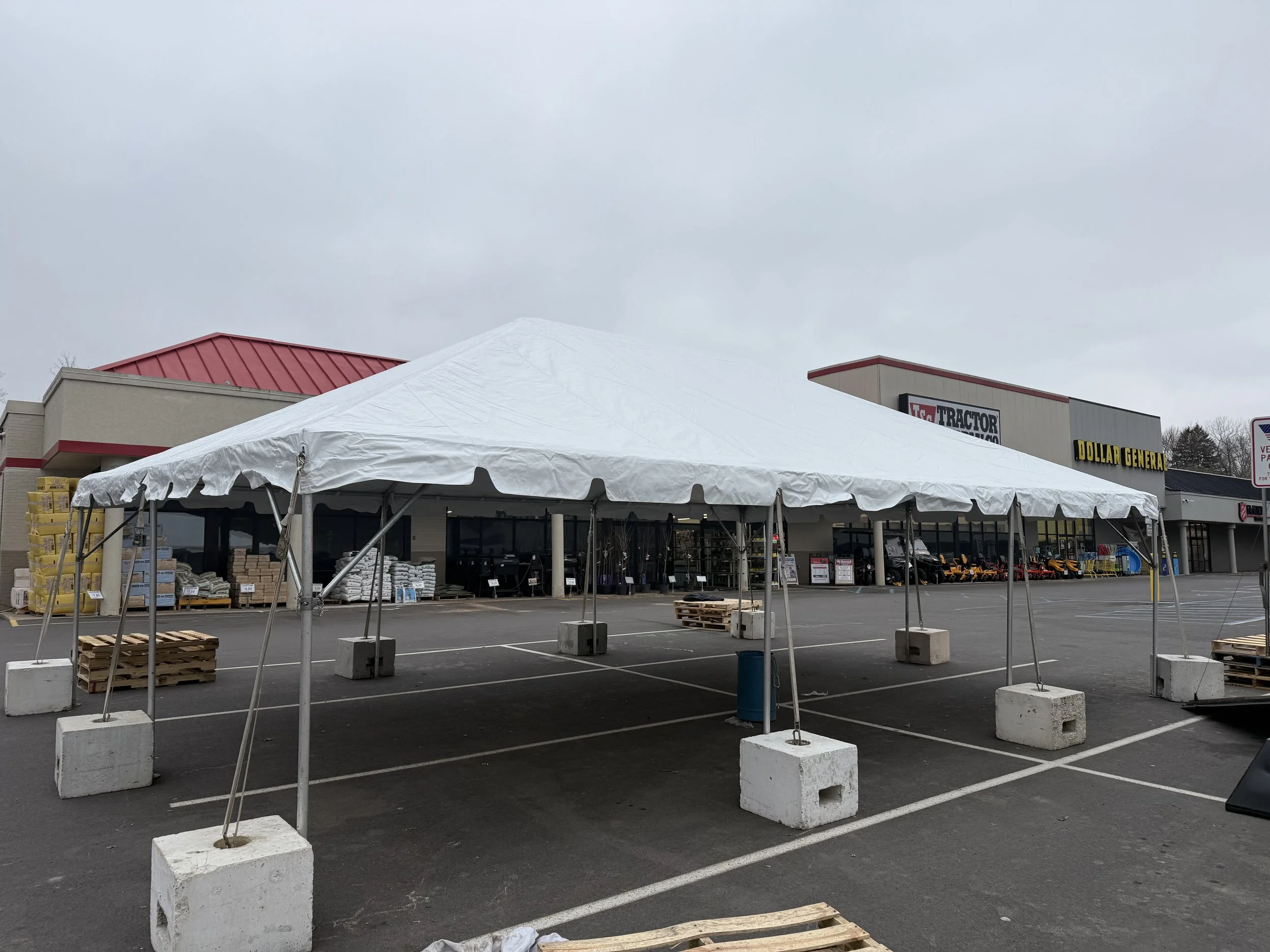
Concrete blocks offer a reliable and widely used solution. These weights deliver solid mass and hold up well under pressure. Many setups use them for medium to large tents, especially on hard surfaces like pavement. They can be conveniently stacked or combined to reach the required weight per leg. Their simple design makes them easy to place, though they require proper handling due to their heft.
Water Barrels
Water barrels provide flexibility and convenience. Once filled, they offer substantial weight without the need to transport heavy materials in advance. After the event, they can be drained and moved with ease. However, we don’t normally recommend water barrels because of two problems. They can leak and lose their holding power. Even worse, a plastic water has very little grip and can slide in a storm.
Sandbags
Sandbags are easy to transport and adjust, but they do not provide enough resistance for large-scale structures. They also lack a secure way to fasten them to the tent
Steel Plates
Steel plates deliver a low-profile option with strong holding power. These sit flat against the ground, which helps maintain a clean and polished look. Event planners tend to prefer them for weddings or formal gatherings where appearance matters. They also reduce tripping hazards compared to bulkier options.
Matching Weight to Tent Size
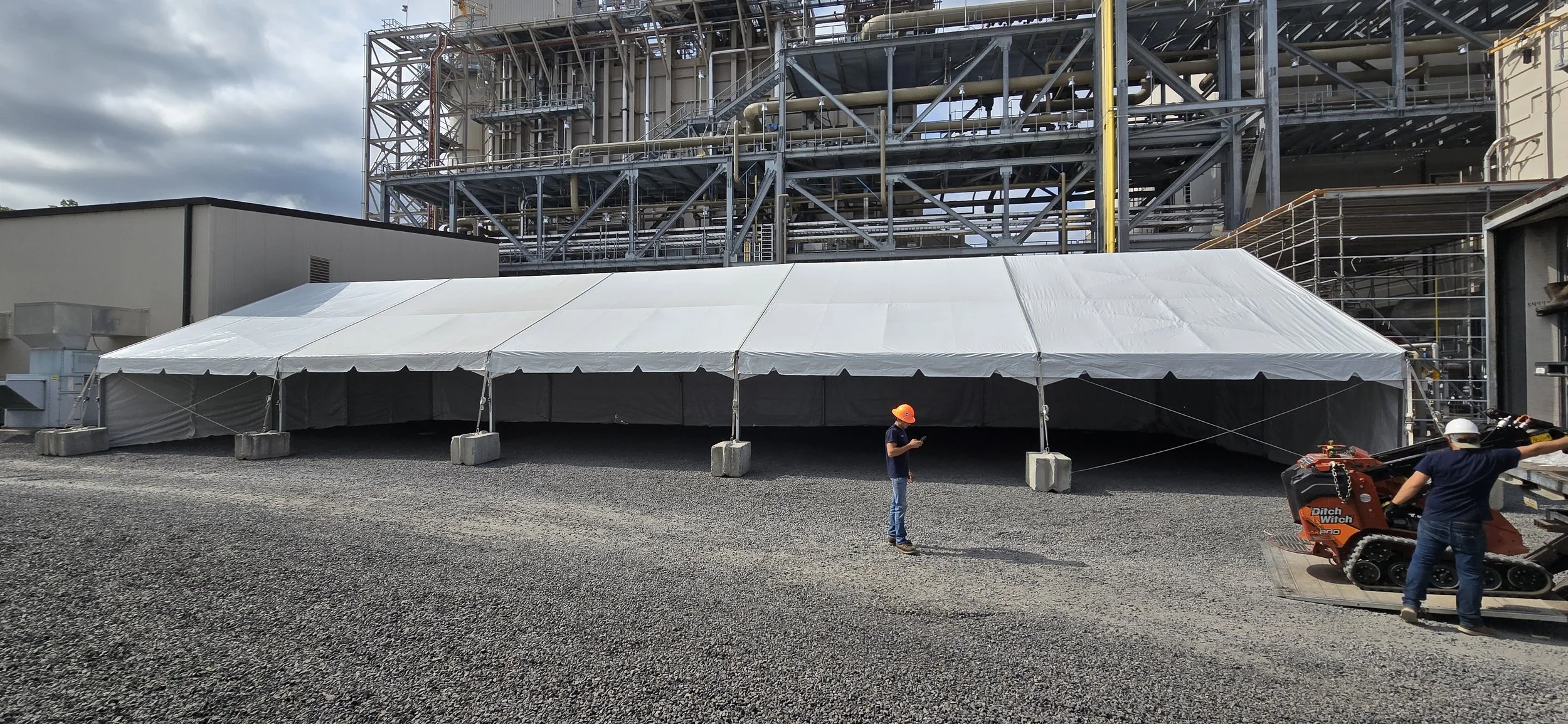
Every tent requires a specific amount of weight per leg. This number increases as the tent grows in size or height. A small canopy may need only a modest amount, while a large wedding tent calls for much more support. Here’s a general idea of how weight needs scale:
Small tents (10x10 or 10x20): lighter weights per leg
Medium tents (20x20 or 20x30): moderate weight requirements
Large tents (40x60 and beyond): heavy-duty anchoring at each point
Wind exposure also plays a role. Open fields, hilltops, and waterfront locations face stronger gusts than sheltered areas. A professional installer evaluates these factors before finalizing the setup. This level of planning helps prevent last-minute adjustments and keeps everything secure from the start.
Surface Type Changes Everything
The ground beneath your tent affects how weights function. Different surfaces call for different strategies, and this is where experience makes a big impact.
Grass or Soil
Grass allows for staking in many cases, though you may still add weights for extra support. Stakes driven into the ground provide a strong anchor, especially for larger tents.
Asphalt or Concrete
Hard surfaces may not allow stakes, so weights become the primary method of anchoring. This setup requires careful calculation to meet safety standards.
Decks or Patios
These areas need special attention. Installers may use a combination of weights and protective materials to avoid damage to the surface while maintaining stability. Each surface brings its own challenges, and a highly tailored approach helps avoid issues during setup and teardown.
Weather Conditions and Their Impact
Weather can shift quickly, and your tent setup needs to handle those changes with confidence. Wind presents the biggest concern, though rain can also affect ground conditions and stability. A calm morning can turn into a breezy afternoon, especially in open areas. Heavier weights provide a buffer against these shifts and reduce the chance of movement.
Rain adds another layer to consider. Saturated ground can loosen stakes, so additional weight may be necessary to maintain tension. A professional team plans for these scenarios and adjusts the setup as needed. This proactive mindset helps your event continue without interruption, even if conditions change.
Aesthetic Considerations
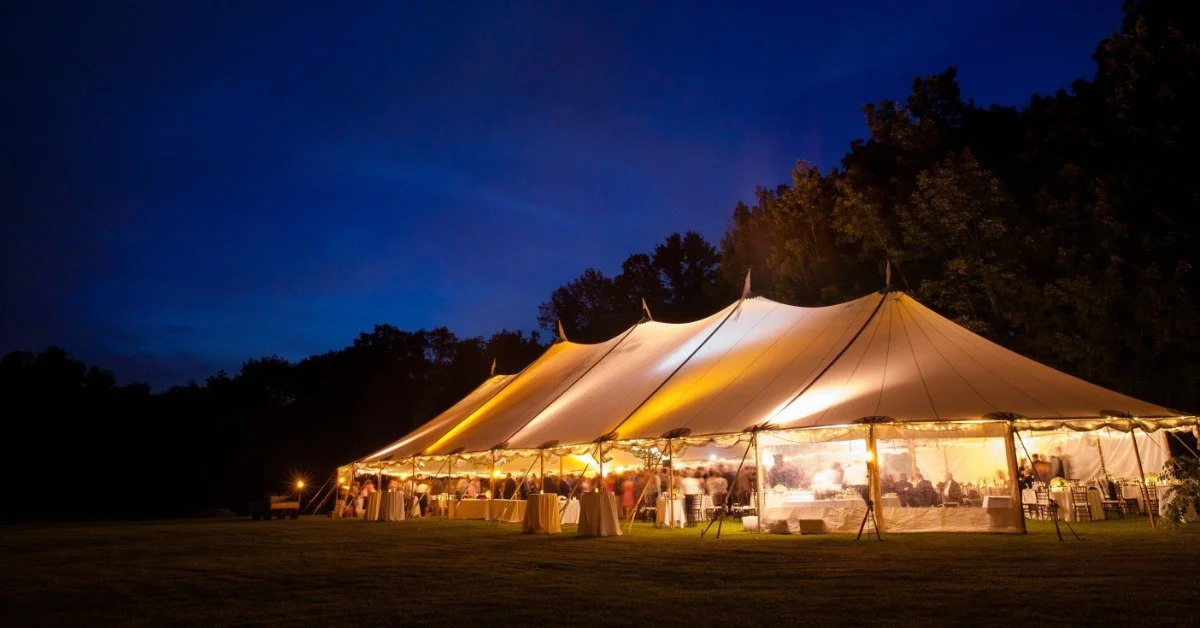
Choosing the proper tent weights for your tent also requires looking at how the material will impact aesthetics. Function comes first, though appearance still matters. Event planners want a clean, cohesive look, and tent weights can play a part in that.
Steel plates and covered weights offer a more polished appearance. This approach works well for weddings, corporate events, and upscale gatherings. A thoughtful layout keeps the focus on your décor, lighting, and overall atmosphere.
Pickup the Perfect Weights Today
Every event has its own set of needs, and tent weights play a quiet yet powerful role in the overall experience. From the type of weight to the surface beneath your tent, each factor contributes to a stable and secure setup. A thoughtful plan takes all these elements into account. It aligns the size of your tent with the right amount of weight, considers weather patterns, and adapts to the event location.
This level of preparation helps your event run smoothly the entire time. If you’re planning an outdoor gathering, partner with a team that understands the details. Reach out to Tents for Rent for tent rentals and get expert guidance for your next event.