
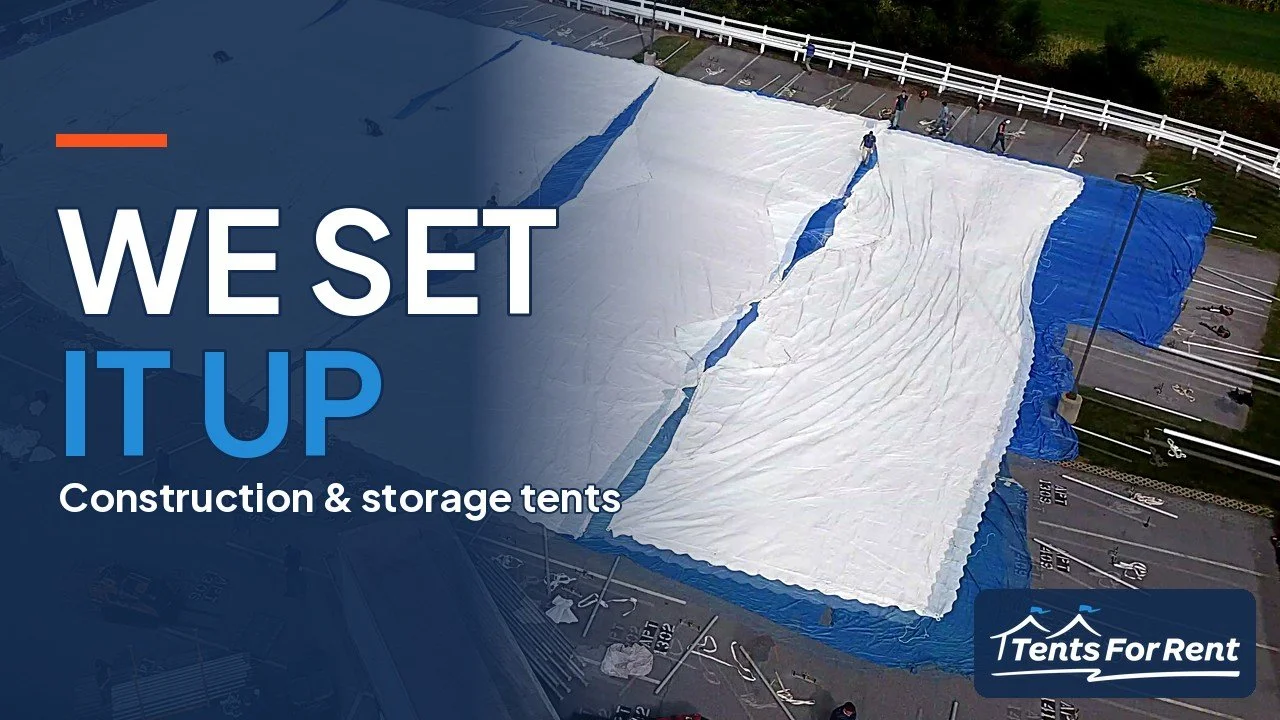
Temporary Construction Tents: We Handle Setup and Takedown
Your job site shouldn't stop for the weather. 🏗️
We deliver, build, and take down temporary construction and industrial storage tents, so your crew can keep working under cover in any season. Store equipment and materials, park your fleet, pour concrete, and keep the project moving. We handle the setup and takedown, so you don't have to.
Weather has a way of stalling a job site. Rain, cold, and the changing seasons can push your schedule back. A temporary tent over your work area keeps your crew working and your materials protected, without building anything permanent. Our new video shows how it works, from delivery to takedown.
We deliver, we build, and it goes up fast
You don't need to pull your crew off the job to put up a tent. Our team delivers the tent, installs it, and gets it up fast, so you can start right away, even on a project that came together at the last minute. Our installers have decades of tent installation experience, and we have hundreds of tents to choose from, so we can find the size and style that fits your site.
Store it: equipment, materials, and your fleet
An industrial storage tent gives you temporary warehouse space without the cost of a permanent building. Store equipment and materials, or park your fleet out of the weather. One fire company kept its fire engines in one of our temporary structures while its firehouse was being renovated. Need completely open space inside? A clearspan (frame) tent works best. For other jobs, a pole tent is the most economical option.
Build under it and keep working
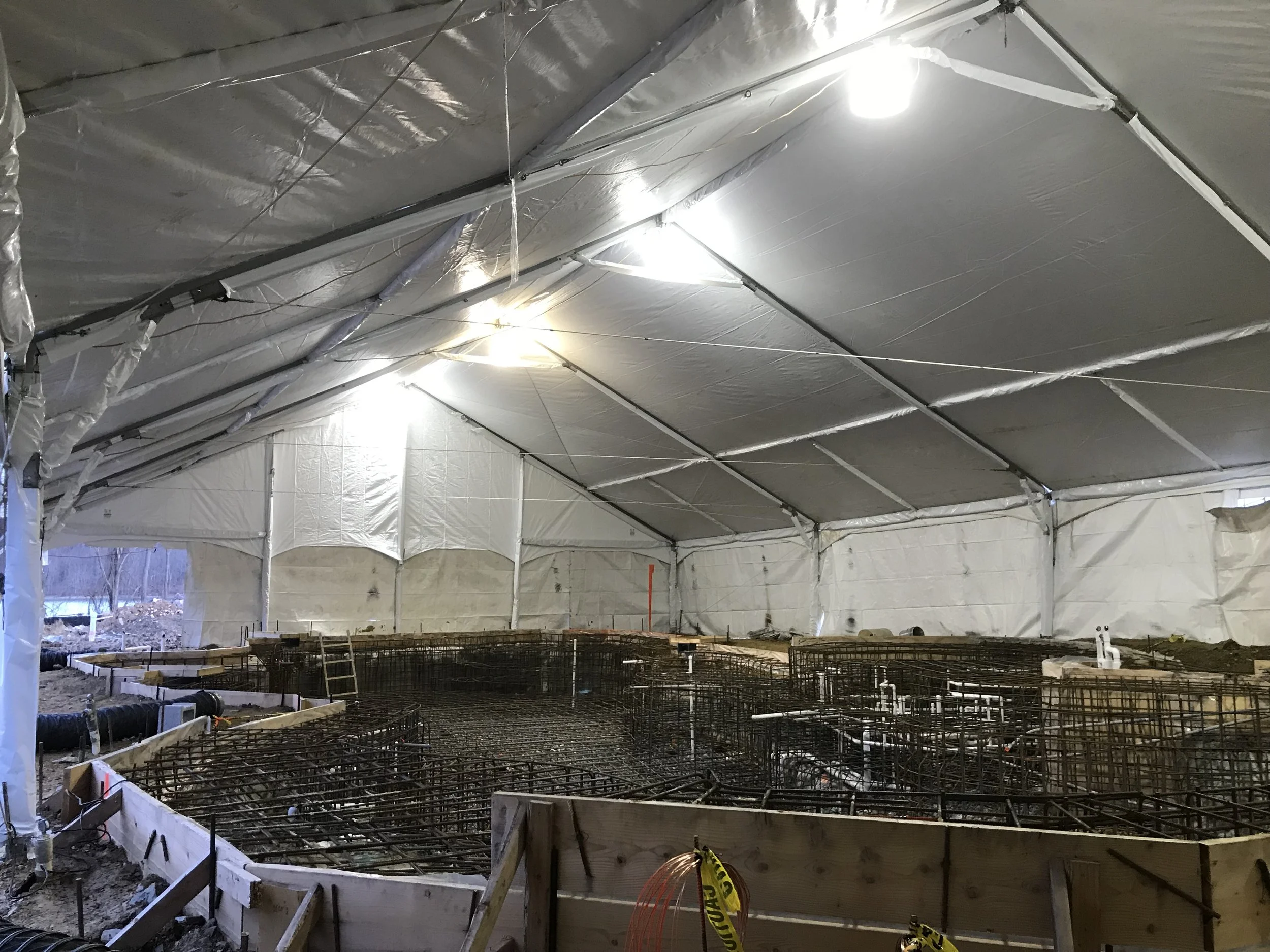
Pour concrete or keep the crew comfortable through the season, all under cover. We can add heating, cooling, work lights, and generators, so your team can see and stay comfortable once the walls are closed. On one winter construction project, we moved a tent several times to cover and heat each area the crew was working on. The project kept moving forward through an unusually cold winter.
We take it down when you're done
When the job wraps up, our crew removes the tent too. If we drove stakes into asphalt, we fill the holes with crushed stone and top them with asphalt cold patch. You get your site back, and your crew never has to handle the install or the removal.
Plan your construction tent rental
To give you a quote, we'll want to know how long you'll need the tent, the height of any equipment that will work inside, and whether we can drive stakes (staking can save you quite a bit). A few photos of your job site help too. Email them to Tents@TentsForRent.com.
Learn more about our temporary construction tents and industrial storage tents.
Request your quote today and let us handle the setup and takedown, so your crew can keep working.
How to Pour Concrete in Winter Under a Heated Tent
Cold weather doesn't have to shut down your concrete work. With a heated temporary tent over the pour, your crew keeps working, the concrete gets the warm, protected space it needs to cure, and your schedule stays on track all winter.
Cold weather doesn't have to shut down your concrete work. With a heated temporary tent over the pour, your crew keeps working, the concrete gets the warm, protected space it needs to cure, and your schedule stays on track all winter. In the video below, we walk through how we set it up.
Heat that keeps working
Our propane heaters sit outside the tent. They blow fresh, warm air in through a duct under the sidewall, and a thermostat inside holds the temperature you need. Because the heaters stay outside, your work area stays clear and the air inside stays fresh.
Cold weather burns more fuel, so we plan the heaters and propane around your tent and your forecast, then keep them running. Once the tent is up, close the walls and leave just the entrance open so the heat stays where the concrete needs it.
Staking vs. weights
How we anchor the tent depends on your site:
Dirt or gravel: Staking is the strongest and most affordable option. We have utilities marked first and place our stakes to avoid them.
Asphalt: We can still stake. We drill small holes, then patch them with crushed stone and cold patch when we leave.
Existing slab or rooftop: We use concrete weights instead.
We'll recommend the right method and amount for your site, and we stake wherever we can to save you money.
We move when you move
Big pours happen in sections, so your tent doesn't have to stay in one place. On a winter project for ARCO Design/Build and Stief Concrete, we moved the tents again and again as the walls went up, and kept a crew on site to open and close the walls for the workers. The project kept moving through a hard winter.
We handle the setup
Tents, heat, lights, and power are all installed and removed by our crew, so yours can stay focused on the pour. Learn more about our temporary construction tents, or send us a few photos of your site and we'll help you plan the right setup.
8 Reasons To Rent Tents for Religious Gatherings
Get all the essential event supplies you need right now. This guide will show you the biggest reasons to rent tents for religious gatherings.
The reasons to rent tents for religious gatherings extend far beyond basic shelter. A well-planned tent can give your congregation a comfortable place to gather and create distinct spaces for meals or conversation. If your church, ministry, or faith community has an outdoor event ahead, it’s time to find a tent setup that fits your plans.
#1 Create a Dedicated Place for the Congregation
A large lawn or open field gives an event plenty of room, but guests may need visual cues that show where each part of the day takes place. A tent creates an obvious destination and adds structure to a wide outdoor space.
For example, a congregation could use one tent for a worship service and another for a community meal. Smaller tents could provide space for registration, refreshments, volunteer stations, or children’s activities. This layout gives each part of the gathering its own place without separating guests from the outdoor atmosphere. Establishing a defined central area can also help the event feel more cohesive. Guests have a natural place to meet, sit, talk, and reconnect throughout the day.
#2 Add Shelter From Sun and Rain
Outdoor events place guests close to the weather, so some form of shelter can add welcome comfort. A tent provides shade during bright afternoons, and covered space if light rain arrives. Shade can be particularly useful at events where guests spend several hours outdoors. Families may want a comfortable place to eat lunch, older guests may appreciate a break from direct sun, and volunteers can use covered areas throughout their shifts.
Rain doesn't necessarily have to bring an outdoor gathering to an immediate end, either. A tent gives organizers a covered location where scheduled activities can continue when conditions permit. Event organizers should still monitor weather forecasts and follow professional safety guidance if severe conditions develop.
#3 Accommodate Gatherings of Different Sizes
Faith communities host events that range from intimate ministry meals to large festivals with hundreds of attendees. Tent rentals give organizers the flexibility to choose a setup based on the event rather than force the event into a permanent indoor space. A smaller gathering may need one tent with seating and tables.
However, a large church picnic could call for several tents with separate areas for dining, activities, worship, and hospitality. This flexibility also helps churches host special events without constructing permanent outdoor facilities. The rental setup exists for the occasion, then the site can return to its regular use afterward.
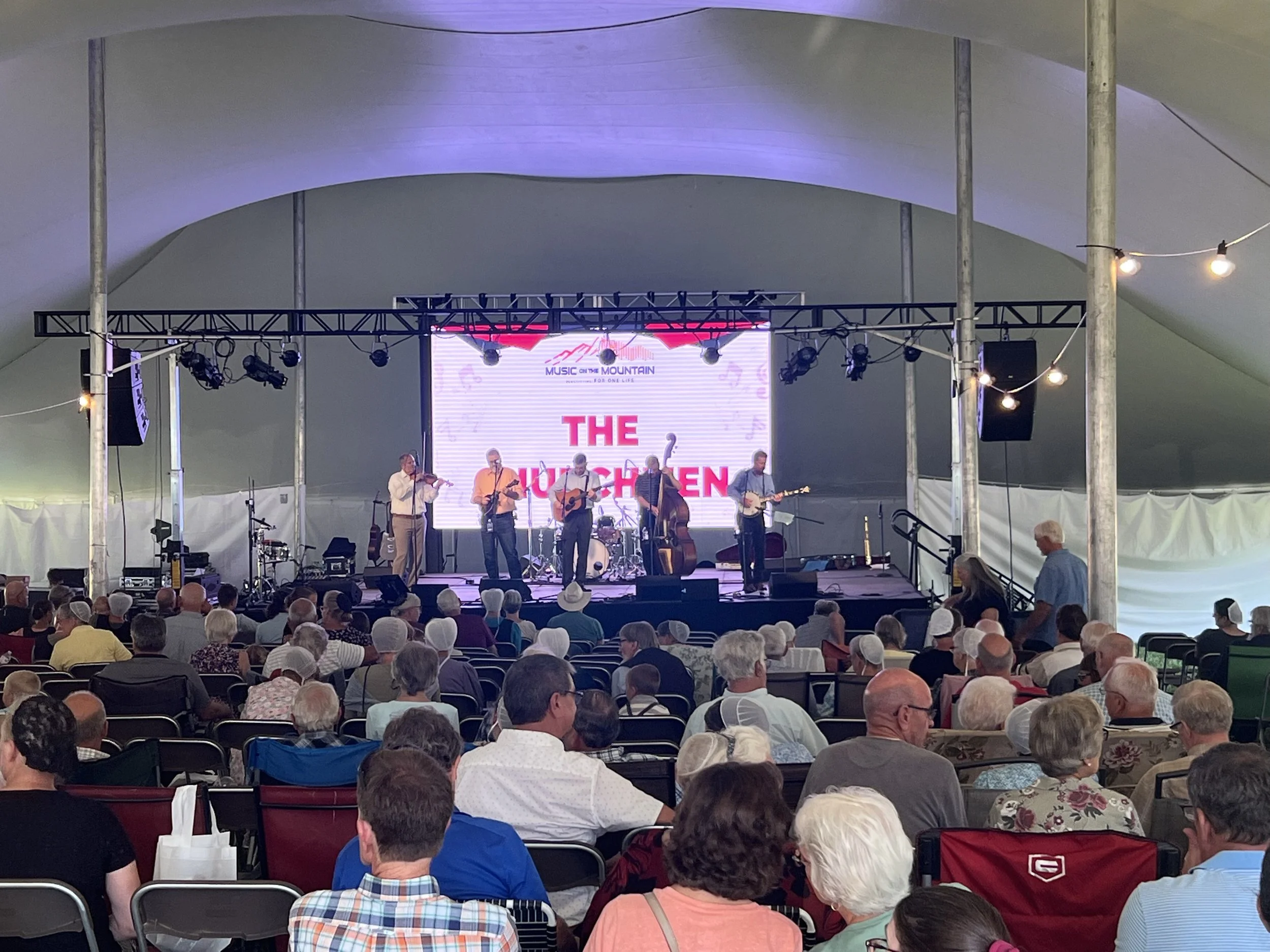
#4 Give Meals and Fellowship Their Own Space
Food has a natural place at many religious gatherings. Church picnics, community dinners, holiday events, fundraisers, and ministry celebrations can all include a meal as part of the day. A tent can create a comfortable dining area with tables and chairs arranged around the needs of the event.
Guests have a place to sit together instead of balancing plates on their laps or searching for scattered seats around the property. The result can feel more like a shared meal and less like an improvised outdoor setup. Long tables can suit a casual community dinner, and round tables can create smaller conversation groups for banquets or celebrations.
#5 Support Worship and Program Activities
Another great reason to rent tents for religious gatherings is to create comfortable activity zones. Some religious events center on a service, speaker, presentation, musical performance, or ceremony. A tent can help establish a dedicated program area apart from food stations, games, and other activity zones.
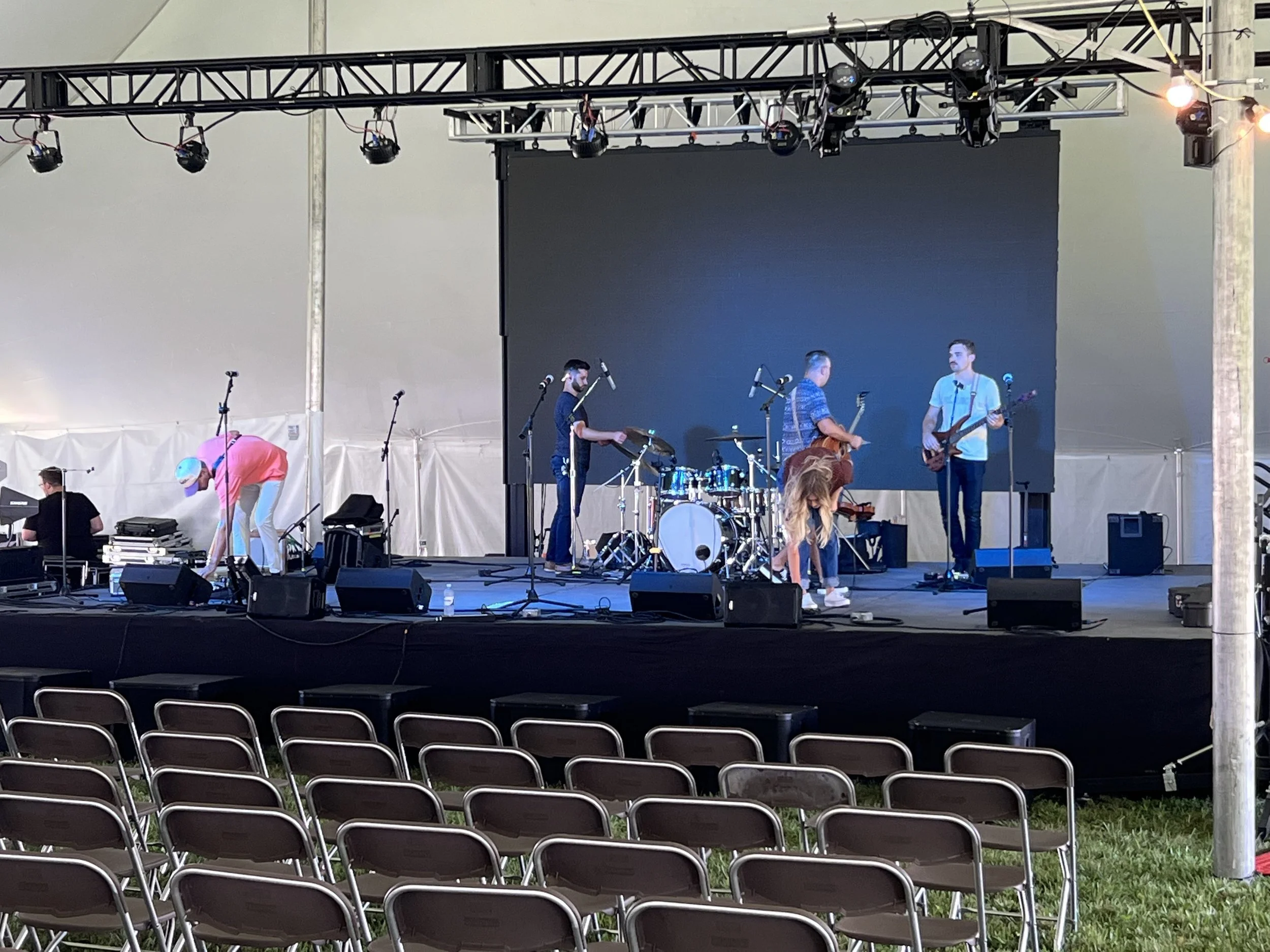
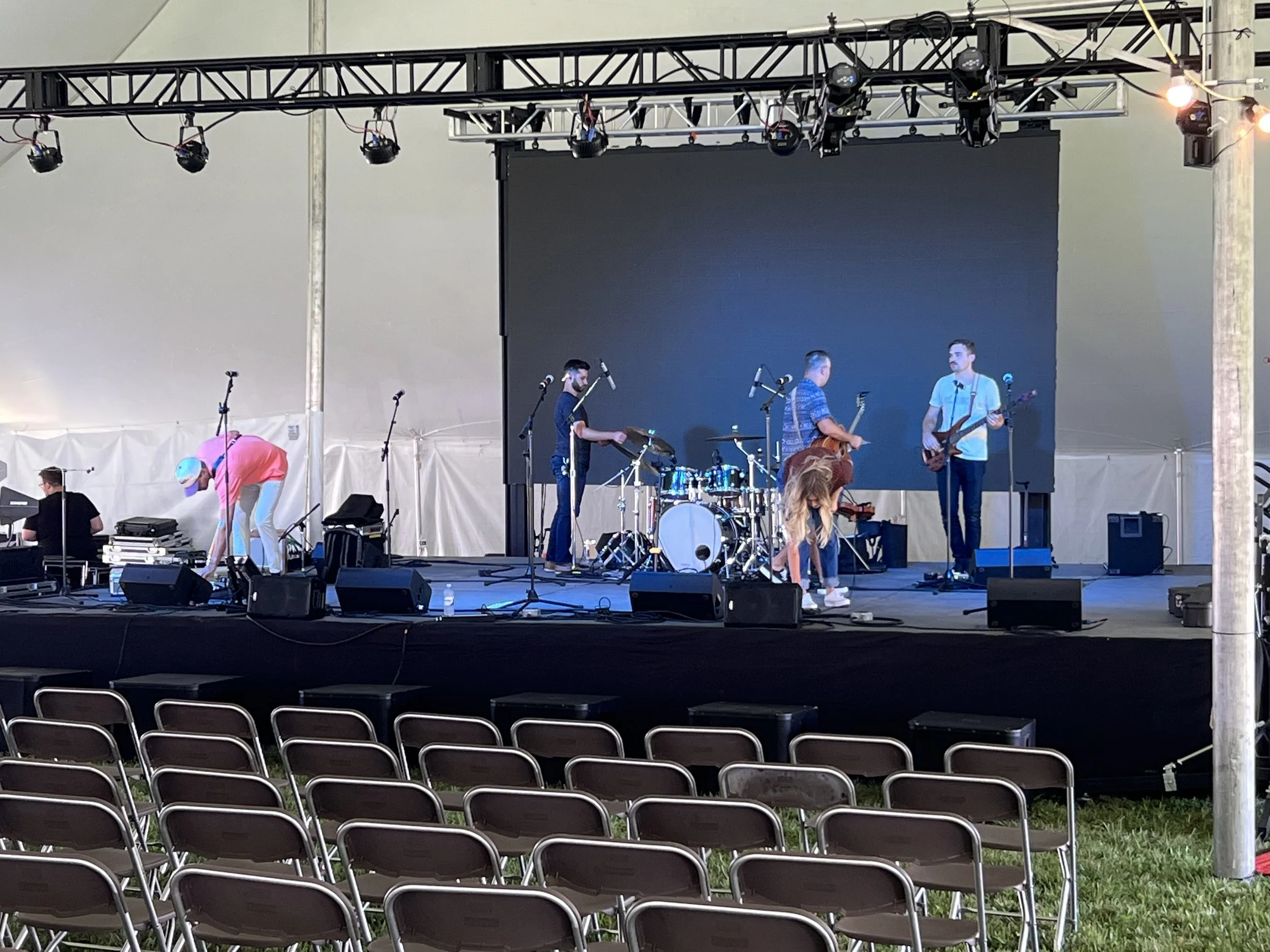
Chairs can face a stage or focal point, with aisles arranged to help guests move through the space. A stage can give speakers, musicians, or worship leaders greater visibility in a larger crowd. Tent lighting can also support programs that continue later in the day. A thoughtful layout lets organizers account for seating, sound equipment, décor, and other event elements from the start rather than add them as separate pieces at the last minute.
#6 Make Room for Children and Families
Family-focused events can benefit from separate spaces for different age groups. A children's area under a tent gives families a defined location for crafts, lessons, snacks, or supervised activities. That setup can keep children's programs close to the main event without placing every activity in the same space.
Parents can locate the family area easily, and volunteers have a designated place for supplies and activity tables. For a vacation Bible school celebration, for example, organizers might place crafts beneath one tent and refreshments beneath another. The site feels organized without losing the relaxed character of an outdoor gathering.
#7 Add Comfort Through Event Accessories
The tent forms the foundation of the space, but the accessories inside can shape how guests experience it. Tables, chairs, lighting, linens, stages, and restroom rentals can all become part of the event plan. Coordinated rentals can also reduce the number of separate arrangements an organizer has to manage. Tents for Rent offers tents along with many event accessories, so churches and other organizations can build more of the site through one rental provider.
A fellowship dinner may need tables, chairs, and linens, for example. An evening worship event could place more emphasis on seating, stage space, and tent lighting. Each setup can reflect the purpose and schedule of the gathering.

#8 Adapt the Space to the Character of the Event
Not every religious gathering should look or feel the same. A church picnic may call for an open, casual setup, whereas an anniversary banquet may benefit from a more polished atmosphere. Tent layouts leave room for those differences.
Organizers can select seating arrangements, lighting, linens, and other details that complement the occasion. Décor can add warmth for a celebration, and a straightforward layout may suit a volunteer event or community outreach day. This versatility allows the physical space to support the tone of the occasion rather than dictate it.
Enjoy Easier Event Planning
A religious gathering can involve a long list of details, from guest seating and meals to volunteer stations and program areas. Renting a tent gives many of those plans a physical framework, so organizers can think about how people will actually use the space. Reserve an outdoor party tent rental that suits the event, property, and guest list.

Why Farmers Markets Benefit From Tent Rentals
A great market needs great planning. Discover why farmers markets benefit from tent rentals and plan a layout that meets your business and location goals.
Farmers markets have a charm all their own. Fresh produce, baked goods, flowers, handmade products, and conversations with local vendors create an atmosphere that feels personal in a way few other events can match. However, an open-air market also comes with practical concerns, from hot afternoon sun to sudden rain. Handle these issues with ease by learning why farmers markets benefit from tent rentals.
Give Vendors Relief From the Elements
A beautiful Saturday morning can turn hot fast once the sun rises higher. Vendors may spend several hours at their booths, so shade gives them a more comfortable place to work. Guests also appreciate the chance to browse without direct sun overhead.
Rain presents another challenge. A tent provides overhead coverage for vendors, tables, displays, and customers at each booth. That extra protection can help a market feel more prepared when the forecast isn't picture-perfect. Weather can change from one market date to the next. A consistent tent plan gives organizers a dependable foundation for the site rather than a setup built around an ideal forecast.
Create a More Inviting Shopping Experience
People rarely visit farmers markets just to rush through a grocery list. Many guests stroll from booth to booth, chat with growers, compare products, and spend time with family or friends. Comfortable vendor spaces support that relaxed pace.
Tents can also give individual booths a sense of place. Instead of tables scattered across a wide lawn or parking area, each vendor has a defined area where guests can stop and browse. The market starts to feel like a collection of small shops within one larger event. That visual order has another advantage. Guests can scan rows more easily and get a better sense of where they want to go next. A well-planned market feels approachable even to someone who has never visited before.
Help Protect Vendor Displays and Products
Farmers market vendors bring far more than a folding table and a cash box. A produce grower may arrive with baskets, crates, signs, scales, and dozens of products. Likewise, a bakery could have packaged breads, pastries, display stands, and branded materials across its booth.
Overhead coverage gives those displays some protection from direct sun and light rain. Flowers, packaged goods, signage, and other items also benefit from a more sheltered sales area. Each product has its own storage and temperature needs, so a tent isn't a substitute for proper food handling or storage practices. It does, though, create a more controlled booth area than a fully exposed space.
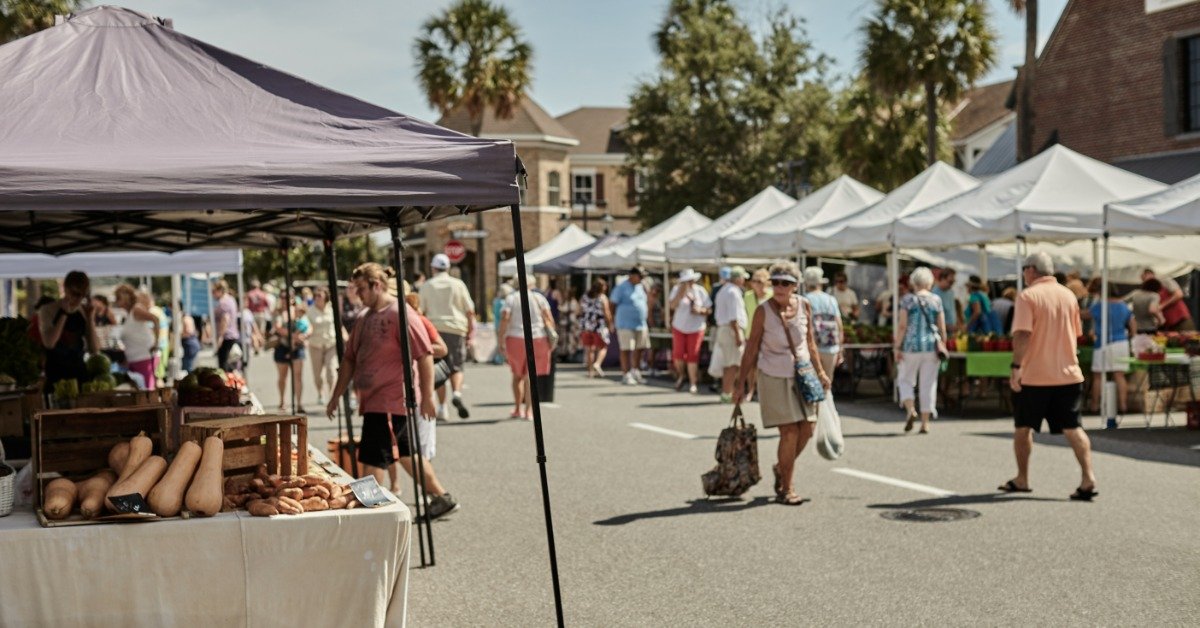
Give the Market a Cohesive Appearance
Farmers markets thrive on individuality. One booth may sell heirloom tomatoes beside rustic wood signs, and the next may feature bright bouquets or jars lined up in tidy rows. That variety is part of the appeal.
A coordinated tent layout can bring those different booths together without taking away their personalities. Consistent tent sizes or placement create visual rhythm across the market. Vendors can then add banners, table coverings, signs, and displays that reflect their own brands.
Browse clearspan tent rentals in PA to see the many details that can set a tent apart, such as how open the layout is. The result feels organized without becoming overly formal. Guests still get the relaxed local-market atmosphere they expect, just with a cleaner visual framework.
Define Aisles and Improve the Market Layout
Good market design starts long before the first vendor arrives. Organizers need room for vendor booths, guest traffic, entrances, exits, service access, and any shared features planned for the day. Tent placement can help establish that structure. Rows of vendor tents naturally define paths, so visitors can understand the layout as soon as they enter.
Wider spaces can serve as main routes, with smaller paths that lead guests through different sections. Organizers should also account for the space each tent setup requires beyond the usable area beneath it. A rental professional can help assess the site and recommend a layout based on the selected tent styles, vendor needs, and available space.
Add Covered Areas Beyond Vendor Booths
Individual stalls aren't the only places that can benefit from tents. A farmers market can include several shared areas that add variety to the guest experience. Depending on the market, covered spaces may work well for:
Seating and rest areas
Community information tables
Children's activities
Market staff stations
Special seasonal displays
These zones can encourage visitors to spend more time at the event. Someone may stop to rest after a trip through the produce stands, then head back through another row before leaving. A market starts to feel less like a collection of transactions and more like a community destination.
Give Guests Places To Pause
A busy farmers market can cover a surprising amount of ground. Families with young children, older visitors, and guests who plan to stay awhile may appreciate a place away from the main flow of foot traffic. A covered seating area gives people a natural spot to take a break, sort through purchases, enjoy a snack, or meet up with friends. It can also prevent vendor booths from becoming informal rest stops that block other shoppers. Place these areas with the overall traffic pattern in mind. A spot near food vendors may feel natural, but it shouldn't crowd a major aisle or market entrance.

Adapt the Setup to the Market Site
Farmers markets appear in all sorts of locations. Downtown streets, fairgrounds, grassy fields, paved lots, parks, and community spaces can each present different layout needs. Tent selection should reflect those site conditions.
Space, surface, access, expected attendance, and the planned use of each covered area all deserve consideration before organizers settle on a layout. This is one area where professional guidance can be especially useful. An experienced rental team can review the event plans and help match tent options to the practical needs of the site.
Create a Market People Want To Revisit
A successful farmers market has more to offer than a great basket of peaches or a loaf of fresh bread. Guests remember the whole experience, from how easy the market was to navigate to how comfortable they felt as they browsed.
That broader experience explains why farmers markets benefit from tent rentals. A well-planned rental setup can give vendors a polished place to welcome customers and guests a comfortable market they'll be happy to visit again. Find the best tent option for your next farmers market to see the benefits above in action.
Essential Tips for Planning a Multi-Day Outdoor Event
Multi-day events don’t have to be hectic. Craft an unforgettable experience with the help of our essential tips for planning a multi-day outdoor event.
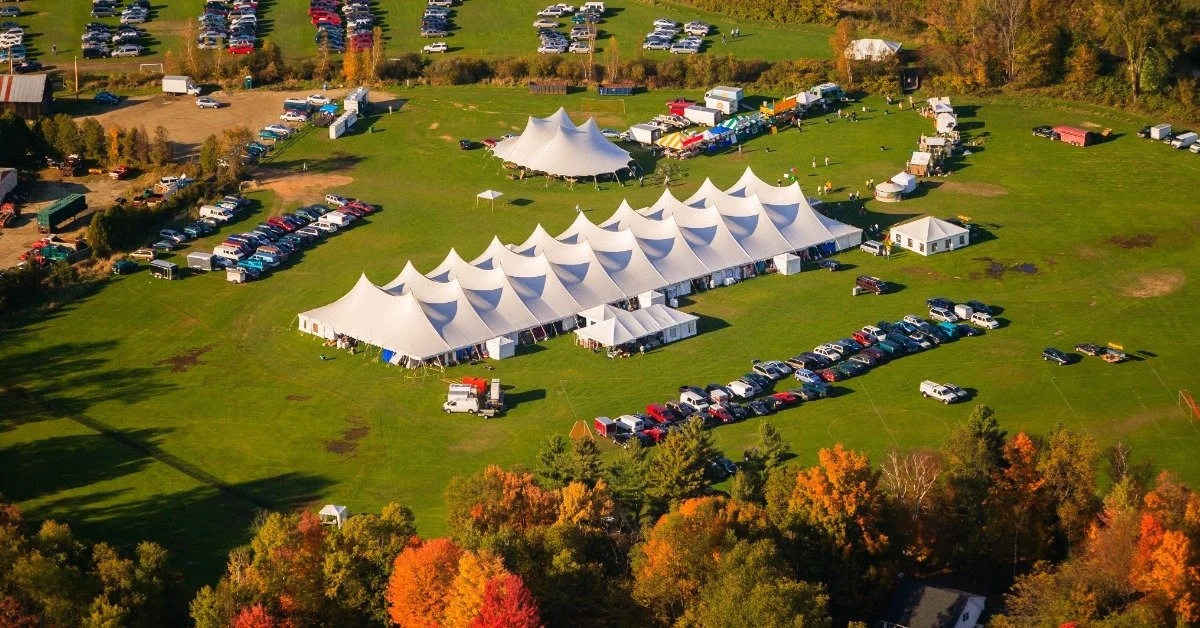
Outdoor events that span several days create memorable experiences, but they also demand far more preparation than a single afternoon celebration. Every extra day adds new logistics and another layer of coordination. A smart plan allows guests, vendors, and staff to stay comfortable from the first welcome through the final farewell. Jump into the guide below to find the essential tips for planning a multi-day outdoor event.
Start With a Detailed Master Timeline
A multi-day event has countless moving parts, so a master timeline serves as the foundation for everything else. Instead of focusing only on the main celebration, map out deliveries, setup periods, rehearsals, vendor arrivals, guest activities, cleanup, and equipment removal. Every item deserves its own place on the schedule so no task slips through the cracks.
Build extra time into every phase. Traffic delays, weather shifts, or last-minute requests can affect even the best plans. A little breathing room gives everyone the chance to adjust without throwing the entire event off balance. Share updated timelines with vendors well before arrival dates. Caterers, photographers, rental companies, entertainers, and coordinators all benefit from the same schedule because everyone understands how their responsibilities fit into the larger picture.
Select Equipment That Can Handle Several Days Outdoors
Tent selection deserves careful thought for a multi-day event. Attractive designs certainly matter, but durability and comfort carry even greater value after guests spend several days under the structure. High-quality tents stand up better to changing weather and provide a welcoming atmosphere throughout the event.
Tables, chairs, flooring, lighting, and climate control deserve equal attention. Comfortable seating for an afternoon may feel less inviting after multiple meals and long social gatherings. Flooring keeps walkways neat after rain, and proper lighting creates a pleasant atmosphere once daylight fades.
Working with a full-service rental company reduces coordination between multiple suppliers. One source for tents, seating, lighting, linens, and accessories creates a more cohesive experience and keeps communication straightforward throughout the planning process. Seek out an event tent rental that offers everything you need, so you can ensure a smooth process when the big event arrives.
Prepare for Weather From Every Angle
Outdoor events invite beautiful scenery, but Mother Nature writes her own schedule. A sunny forecast on day one doesn't promise perfect conditions through the remainder of the event. Smart planners develop backup strategies long before weather becomes a concern.
Rain plans deserve just as much attention as the primary schedule. Covered gathering areas, sidewalls, proper drainage, and sheltered vendor workspaces help activities continue with minimal disruption. Guests appreciate thoughtful accommodations far more than rushed solutions. Heat also deserves attention during warmer months. Fans, shaded seating areas, hydration stations, and ventilation help everyone stay comfortable throughout extended celebrations.

Keep Guests Comfortable Around the Clock
Guests remember how an event feels every bit as much as how it looks. Comfortable surroundings encourage people to stay longer, socialize freely, and enjoy every activity on the schedule. Create spaces with different purposes throughout the venue. Lounge furniture offers a quiet retreat, dining areas support conversation, and open gathering spaces invite mingling.
Families with children appreciate room to spread out, and older guests welcome comfortable seating throughout the property. Restroom availability also deserves careful planning. Multi-day events generate more traffic than shorter celebrations, so adequate facilities and regular servicing help maintain a pleasant environment for everyone.
Plan Food Service Beyond the Main Meal
Large dinners usually receive plenty of attention, but guests appreciate thoughtful food options throughout an entire event. Breakfast service, afternoon refreshments, late-night snacks, and beverages help maintain energy across multiple days. Coordinate meal schedules with planned activities. Nobody wants lunch served during speeches or entertainment.
Small adjustments create a smoother flow and encourage guests to participate without interruption. Local specialties can also add personality. Fresh regional favorites create memorable moments and give visitors another reason to talk about the event long after it ends.
Give Vendors Room to Succeed
Successful events rely on experienced vendors working together efficiently. Clear communication before arrival helps everyone understand expectations and reduces unnecessary confusion. Provide designated loading areas, parking locations, storage space, and setup windows.
Vendors perform their jobs far more effectively when they know exactly where to go and what to expect upon arrival. A shared contact list also proves valuable. Quick communication between planners, rental teams, caterers, entertainment providers, and venue representatives allows small concerns to receive immediate attention before larger complications develop.
Create Flexible Spaces for Different Activities
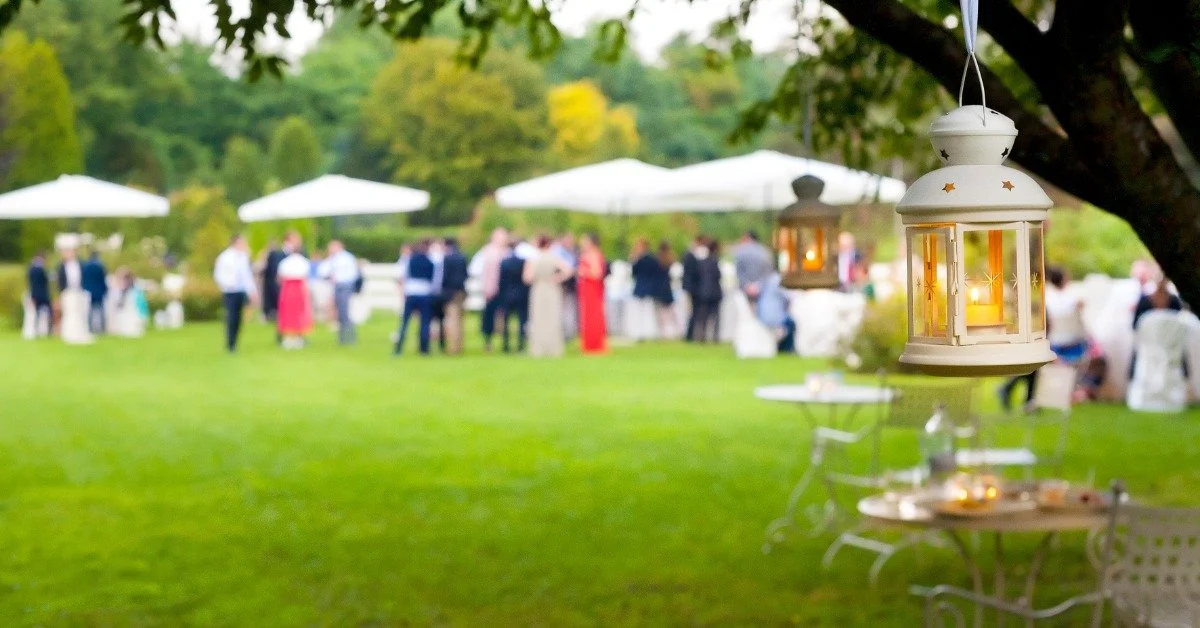
Multi-day events rarely follow one consistent format. A welcome reception may transition into seminars, family activities, dinners, ceremonies, or live entertainment across several days. Flexible layouts help every space serve multiple purposes.
Tent layouts can evolve throughout the event. Lounge furniture may replace banquet seating after dinner, dance floors can expand for evening celebrations, and meeting areas can transform into social spaces later in the schedule. Thoughtful design keeps every transition organized instead of rushed. Guests experience fresh environments without feeling like they're walking into an entirely different venue every few hours.
Stay Organized With Daily Check-Ins
No matter how carefully an event gets planned, small adjustments always appear. Daily check-ins keep everyone informed and allow minor issues to receive quick attention before they grow into larger concerns. Meet briefly with vendors and coordinators each morning. Review the day's schedule, weather outlook, delivery updates, and any overnight developments.
These conversations usually take only a few minutes but create confidence across every team. Keep printed schedules available as well. Digital copies work well, yet physical versions remain useful whenever cell service becomes unreliable or batteries run low.
Work With Experienced Event Professionals
One more essential tip for planning a multi-day outdoor event is to work with reliable vendors and service providers. Large outdoor events benefit tremendously from experienced partners. Rental specialists understand layout planning, tent placement, equipment recommendations, weather preparation, and countless details that first-time planners may overlook.
A company with years of outdoor event experience can recommend solutions based on real situations rather than theory. That practical knowledge helps avoid unnecessary stress and creates a smoother planning experience from beginning to end. Full-service providers also reduce the number of separate vendors involved. Fewer moving parts usually translate into easier communication and greater consistency across every aspect of the event.
A successful multi-day outdoor event doesn't happen by chance. Every well-planned timeline, comfortable guest space, weather backup, and coordinated vendor effort helps create an experience that feels effortless from start to finish. Taking time to prepare each detail before the first guest arrives allows everyone to relax and enjoy the event as it unfolds. As planning begins, use these tips as a roadmap, stay flexible when plans shift, and give yourself plenty of time to bring every piece together.
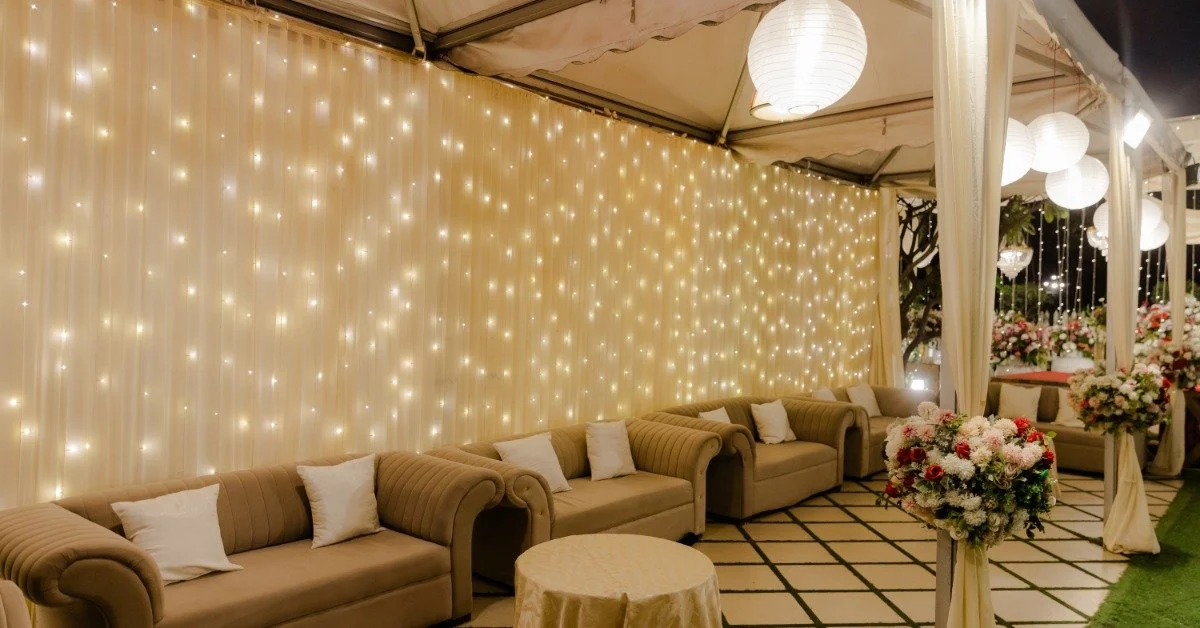
Creating a Comfortable Outdoor Lounge Area for Guests
Find out how you can start creating a comfortable outdoor lounge area for guests that is as seamless as it is welcoming for everyone at the event.
Outdoor events feel more memorable when guests have a place to relax, chat, and take a break from the excitement. A well-planned lounge area adds comfort, encourages conversation, and gives everyone a welcoming space throughout the celebration. Creating a comfortable outdoor lounge area for guests starts with smart planning, quality rentals, and a layout that fits the event. Dive into our guide today to find out how to plan the perfect layout for your next celebration.
Start With the Right Location
A lounge area works best when it feels connected to the rest of the event without sitting in the middle of heavy foot traffic. Guests appreciate a quiet spot close enough to mingle but far enough away from busy entrances, dance floors, or buffet lines. Take a look at the natural flow of your venue before furniture arrives. Place seating near gardens, scenic views, or open spaces that create a calm atmosphere.
A shaded location also keeps guests comfortable during warm afternoons. If the event takes place under a tent, position the lounge along the perimeter instead of the center. This layout keeps conversation separate from dining and entertainment while still allowing guests to feel involved.
Choose Comfortable Seating
Furniture sets the tone for every lounge space. Soft seating invites guests to stay longer, catch up with friends, or relax between activities.
A balanced furniture collection could include:
Sofas for larger groups
Lounge chairs for individual seating
Ottomans for extra flexibility
Coffee tables for drinks and snacks
Accent tables beside seating
Instead of placing everything against the edges, arrange furniture into small conversation circles. Guests naturally gather in these spaces without feeling crowded.
Add Shade and Weather Protection
Comfort depends heavily on protection from the weather. Bright sunshine, unexpected drizzle, or chilly evenings can send guests indoors unless you plan ahead. A professionally installed event tent creates dependable shelter while keeping the outdoor atmosphere everyone enjoys.
Open tent sides encourage airflow during warm weather, while sidewalls become useful if temperatures drop later in the evening. Large umbrellas can also provide extra coverage for lounge areas outside the main tent. This combination creates multiple places for guests to relax throughout the venue.
Include Lighting for Evening Events
The atmosphere changes once the sun begins to set. Soft lighting transforms a lounge area into one of the most inviting spots at the event.
Several lighting options work beautifully together:
Bistro lights overhead
Decorative lanterns
LED candles on tables
String lights around nearby landscaping
Accent lighting near walkways
Warm lighting creates a welcoming mood without overpowering the rest of the venue. Guests appreciate enough light to talk comfortably without feeling like they're sitting under bright floodlights.
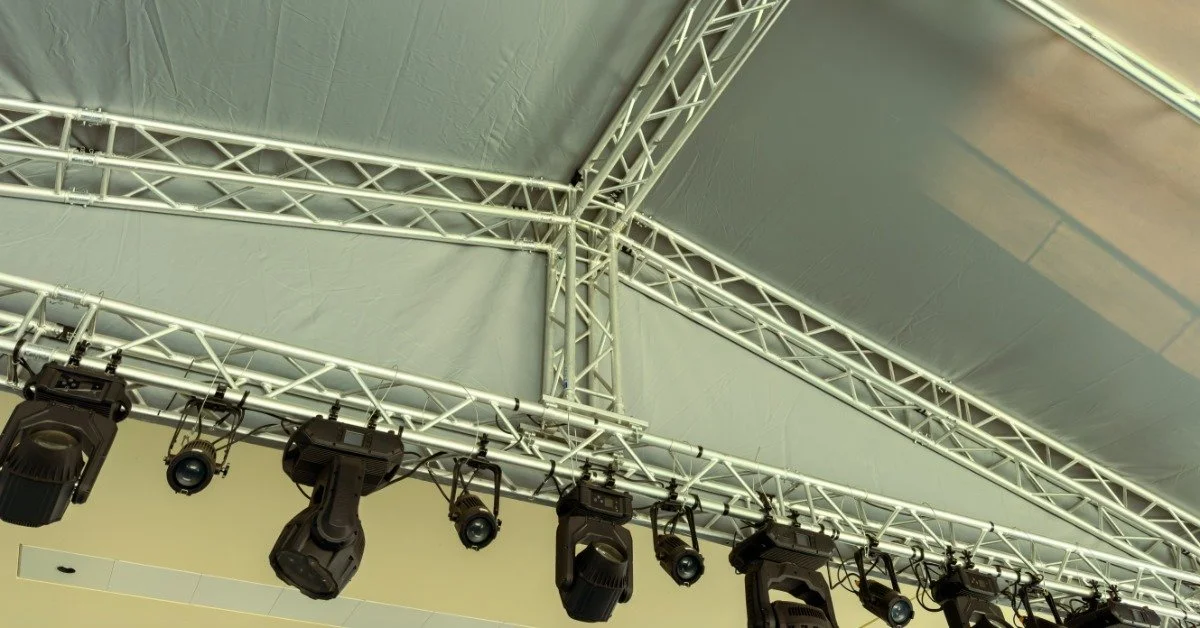
Bring in Decorative Touches
Decor helps the lounge feel complete instead of looking like furniture placed on grass. A few carefully selected accessories create warmth and personality. Outdoor rugs help define the seating area while adding texture. Throw pillows introduce color and soften the furniture.
Small floral arrangements tie the lounge into the rest of the event décor with subtle, beautiful results. Keep decorations tightly coordinated with the event theme. Rustic weddings, elegant receptions, casual backyard parties, and corporate gatherings each benefit from a slightly different style.
Keep Guest Habits in Mind
Every decision should focus on how guests experience the space from arrival until departure.
Think about practical comforts such as:
Easy access for guests of all ages
Plenty of room between furniture
Nearby trash receptacles
Convenient drink stations
Comfortable walking paths
These small details create a lounge that feels welcoming instead of crowded or inconvenient.
Add Entertainment Without Overdoing It
A lounge area should feel peaceful, but a little entertainment keeps guests engaged. Depending on the event, you might include lawn games nearby, background music, or even a small fire pit where venue rules allow. Photo opportunities with attractive décor also encourage guests to spend time in the space. The goal stays focused on relaxation rather than competition. Guests should feel comfortable chatting without loud distractions.
Offer Convenient Refreshments
Guests appreciate refreshments close to the lounge area. Nobody wants to leave a comfortable seat every few minutes for another drink. A nearby beverage station works well with lemonade, coffee, or tea. Small cocktail tables provide a convenient place for drinks and appetizers without cluttering coffee tables throughout the lounge.
Rent Accessories From One Company
Planning becomes much easier when one rental provider supplies multiple event items. Coordinated rentals create a polished appearance while reducing the number of vendors involved. For example, our party tent rentals in PA make it easy to get all the supplies you need.
After all, besides a tent, the supplies you need include tables, chairs, lighting, lounge, furniture, and more. Working with one experienced team also helps everything arrive on schedule with a coordinated installation plan. Companies with extensive outdoor event experience can recommend layouts that fit your guest count and venue size.
Add Greenery for a Relaxed Atmosphere
Plants and flowers help an outdoor lounge feel more polished without overwhelming the space. Potted trees, decorative planters, and seasonal flowers soften the look of tents, furniture, and walkways. A few natural accents also help separate the lounge from nearby dining or entertainment areas.
Keep the décor balanced instead of filling every corner with greenery. Open space allows guests to move around comfortably and keeps conversations relaxed. A clean, inviting layout always feels more welcoming than an overcrowded design.
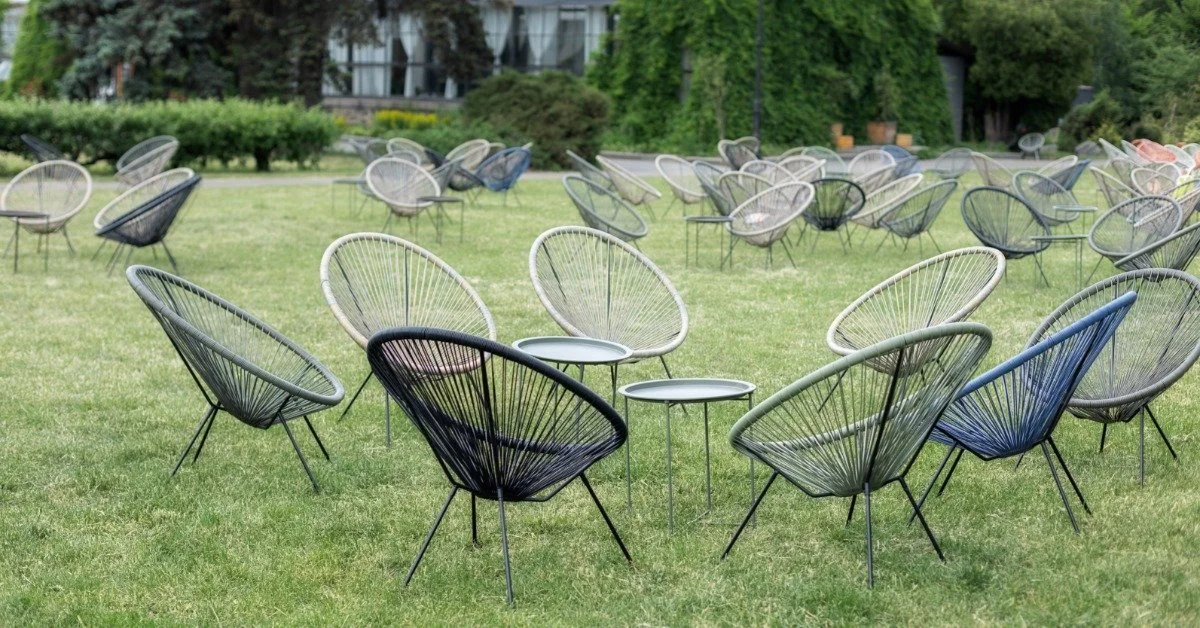
Plan for Charging Stations and Modern Conveniences
Many guests carry phones throughout an event, especially at weddings and corporate gatherings where photos play a big role. A discreet charging station gives visitors a chance to recharge their devices without leaving the celebration for long. This small addition can become one of the most appreciated features at longer events.
Extension cords and charging hubs should stay tucked away to avoid tripping hazards. Comfortable seating near the charging area encourages guests to relax while their devices power up. The result feels thoughtful without drawing attention away from the rest of the event.
Start Crafting A Comfortable Setup
Guests remember events that feel welcoming from beginning to end. Creating a comfortable outdoor lounge area for guests gives everyone a place to recharge, reconnect, and enjoy the celebration at their own pace. Contact Tents For Rent today to reserve high-quality tents, furniture, lighting, and event rentals that help create a beautiful outdoor space your guests will enjoy.

How To Plan a Successful Outdoor Fundraiser Event
Let’s establish how to plan a successful outdoor fundraiser event so you can remove all the guesswork from the planning stages of your big day.
Outdoor fundraisers bring people together in a relaxed setting that encourages conversation, generosity, and community support. From charity dinners to walk-a-thons and benefit concerts, the right setup helps guests enjoy the experience from start to finish. Focusing on how to plan a successful outdoor fundraiser event starts with thoughtful preparation long before the first guest arrives. Use the tips below to learn how to build the perfect strategy right now.
Start With Clear Goals
Every fundraiser needs a purpose that guides every decision. Decide how much money you hope to raise and identify the audience you want to attract. Those goals influence everything from the venue and schedule to entertainment and seating arrangements.
Break larger goals into smaller milestones so your planning stays organized. Assign responsibilities to volunteers or committee members early. Everyone benefits from clear expectations, and tasks become much easier to manage.
Pick the Right Outdoor Venue
The venue creates the backdrop for your fundraiser, so choose a location that fits your crowd and activities. Parks, farms, vineyards, private estates, and community spaces all offer unique advantages.
Look beyond the scenery. Think about parking, restroom access, electrical service, accessibility, and available space for tents or vendor booths. Guests appreciate convenience, and those details help the event run smoothly. Visit the property before signing any agreements. Walking through the space gives you a better feel for traffic flow and layout possibilities.
Create a Comfortable Event Layout
A thoughtful layout keeps guests comfortable throughout the event. Leave enough room for dining areas, registration tables, silent auction displays, entertainment, and gathering spaces. Crowded areas can discourage guests from browsing auction items or visiting sponsors. Wide walkways help everyone move comfortably between activities.
Outdoor tents also deserve careful placement. Dining areas benefit from shade, while stages or speakers deserve clear sightlines. A balanced layout creates a welcoming atmosphere. Schedule a clearspan tent rental to ensure you have the materials you need for a comfortable layout.

Prepare for Changing Weather
Mother Nature rarely follows an event schedule. A sunny forecast can change quickly, so prepare for several possibilities. Quality event tents provide shelter from rain, strong sun, or unexpected wind. Sidewalls, fans, heaters, and flooring add another layer of comfort when weather shifts throughout the day. Guests stay longer when they feel comfortable. That extra time creates more opportunities for donations, auctions, raffles, and conversations with supporters.
Build an Engaging Schedule
A fundraiser should feel lively without overwhelming guests. Create a schedule that balances activities with opportunities to relax and socialize. For example, guests may arrive during a cocktail hour before dinner begins.
Live entertainment can follow the meal, with fundraising activities spread naturally throughout the evening. Avoid long periods without activity. Short transitions keep the energy moving and help guests stay fully engaged until the event concludes.
Make Guests Feel Welcome
One of the best ways to plan a successful outdoor fundraiser event is to consider the overall atmosphere. A positive atmosphere influences every guest's overall experience. Comfortable seating, shaded areas, restrooms, and refreshments encourage visitors to stay longer and participate throughout the fundraiser.
Don't overlook smaller details. Plenty of trash containers, hand sanitizer stations, clear signs, and lighting all improve the event experience. Families and corporate attendees will especially appreciate thoughtful accommodations. Those positive impressions strengthen your organization's reputation.
Promote the Event Early
Great fundraising starts well before event day. Build excitement through email campaigns, social media, local newspapers, community calendars, and sponsor partnerships. Share updates regularly instead of posting everything at once.
Feature auction items, entertainment, guest speakers, or stories about the cause your fundraiser supports. Don’t forget to encourage supporters to invite friends and family. Personal recommendations help reach new donors who may become long-term supporters.

Highlight Sponsors Throughout the Event
Sponsors contribute valuable financial support and deserve plenty of visibility. Display banners, table signs, stage announcements, and printed programs throughout the venue. Digital displays or slideshow presentations also recognize sponsors in a professional way.
Public appreciation strengthens existing relationships and encourages future partnerships. Guests notice businesses that invest in community causes. Sponsors benefit from positive exposure while your organization builds stronger local connections.
Keep Registration Simple
The check-in process sets the tone for the day. Long lines create frustration before guests even enter the event. Use multiple registration tables if attendance will be high. Alphabetized guest lists, mobile check-in options, and prepared name badges speed up arrivals. Friendly volunteers also create a warm welcome. A positive first impression carries throughout the fundraiser.
Work With Experienced Event Rental Professionals
Reliable rental companies help eliminate many common planning headaches. Experienced teams understand outdoor logistics and can recommend tent sizes, seating arrangements, lighting, staging, dance floors, linens, and other equipment based on your event goals.
Working with one company for multiple rentals also saves time. Coordinated deliveries and professional installation reduce stress as event day approaches. Remember that trusted professionals have seen countless outdoor events. Their experience helps solve problems before they become distractions.
Review the Event Afterward
Every fundraiser offers lessons for the future. Gather feedback from volunteers, sponsors, vendors, and attendees after the event concludes. Review attendance numbers, fundraising totals, and guest comments. Celebrate successes while identifying opportunities for improvement. Those conversations help every future fundraiser become even stronger.
Create Plenty of Donation Opportunities
Not every guest prefers to give in the same way, so offer several donation options throughout the event. Traditional donation boxes work well alongside mobile payment methods, online giving pages, raffles, silent auctions, and sponsorship opportunities. Multiple options encourage participation from a wider audience.
Place donation stations in visible locations with clear signs and friendly volunteers nearby. Brief reminders from the emcee also keep the fundraiser front of mind without interrupting the event's flow. Every contribution becomes easier when the process feels convenient.
Successful outdoor fundraisers combine thoughtful planning, comfortable spaces, and dependable event partners. Every detail works together to create an enjoyable experience that encourages generosity and builds stronger community connections. From high-quality tents to tables, chairs, lighting, and other event rentals, professional support removes stress from the planning process. Reach out to an experienced outdoor event rental company today and take the first step toward a fundraiser your guests will always remember.
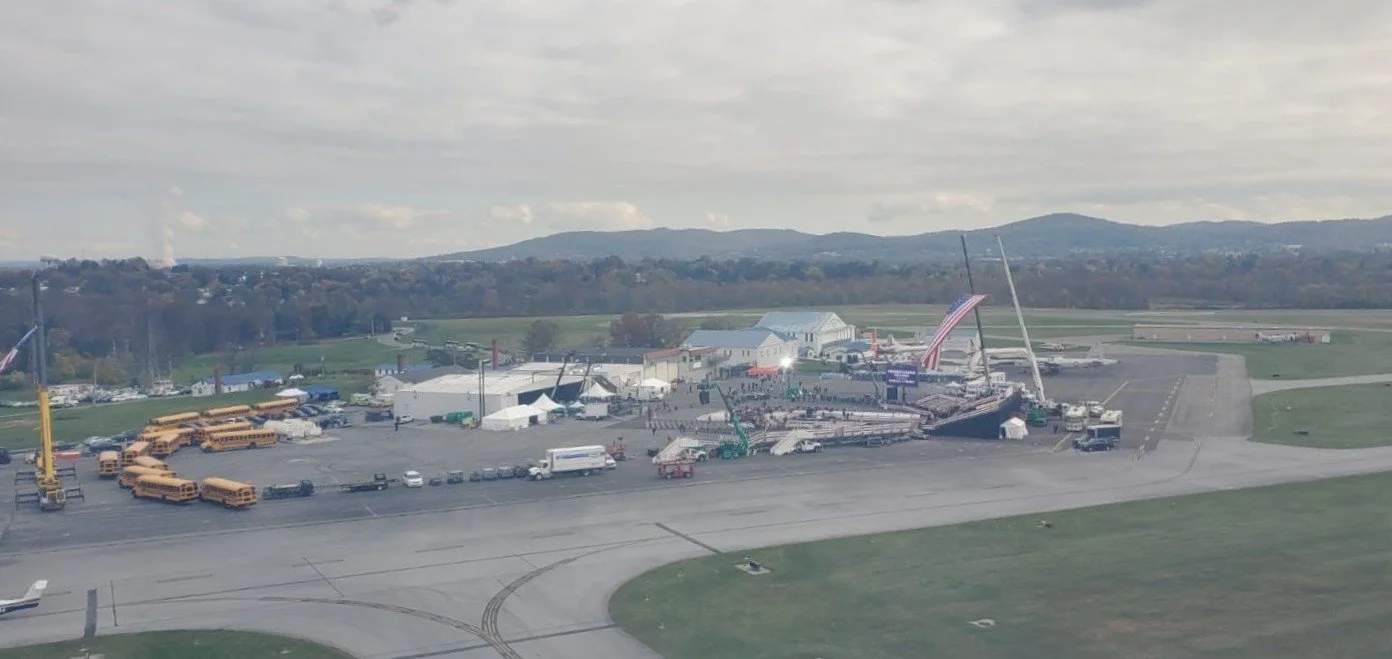
VIP Protective Tents for High-Security and VIP Events
Tents For Rent LLC delivers reliable, customizable temporary structures built for the unique demands of VIP protective operations. Our solutions support privacy, security integration, weather resilience, and comfort for guests and staff—exactly what high-profile events and protective details require.
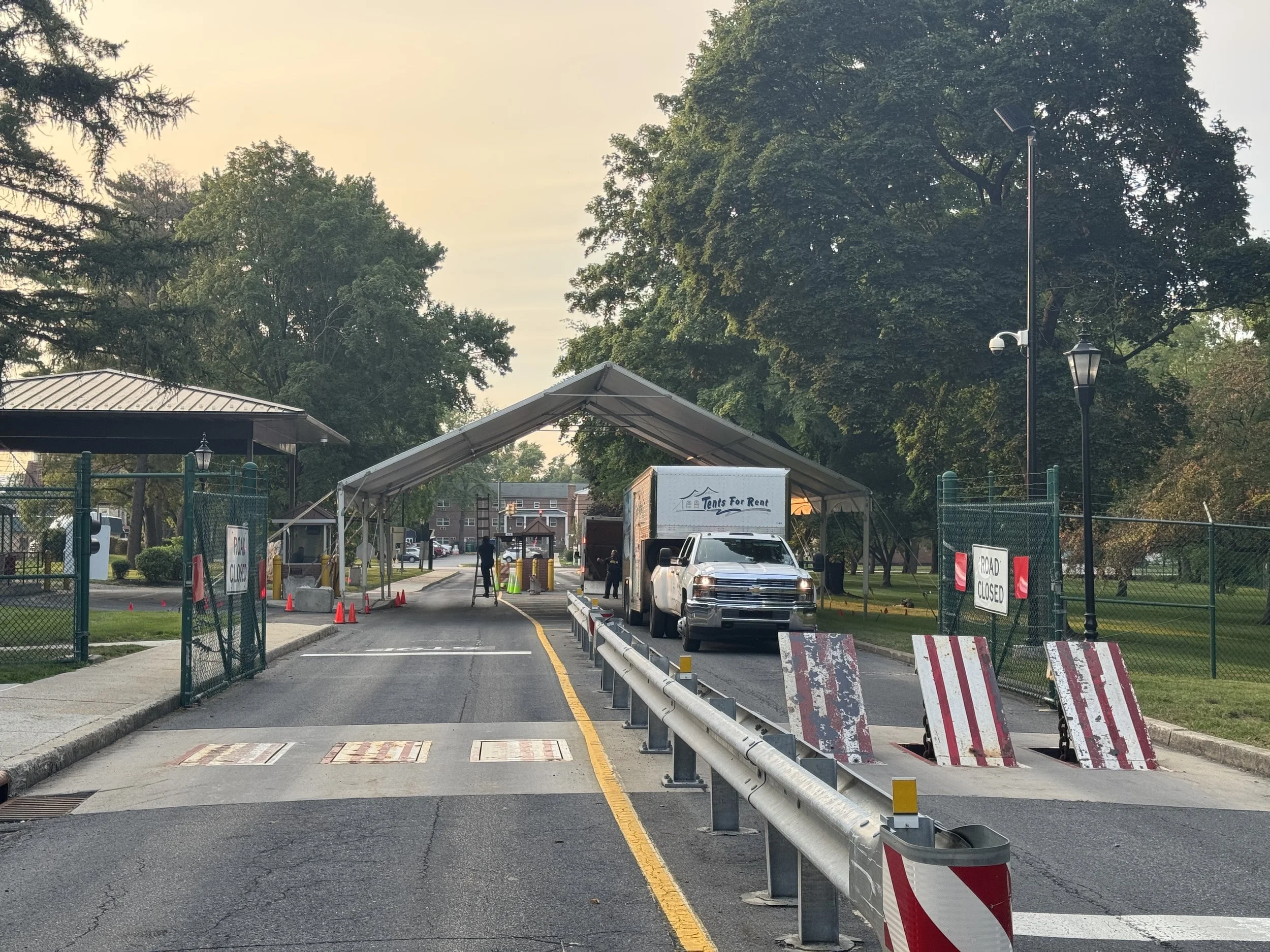
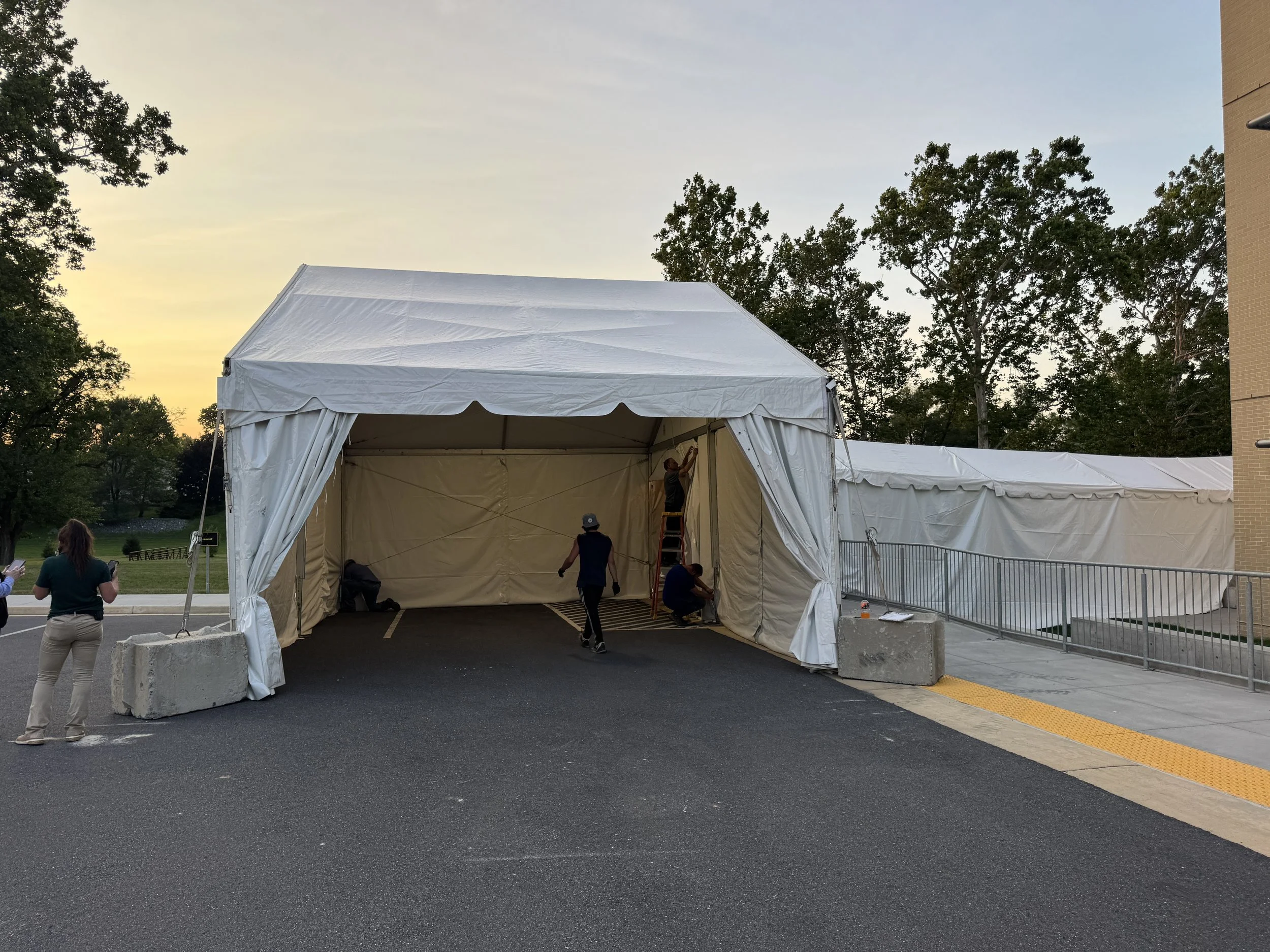
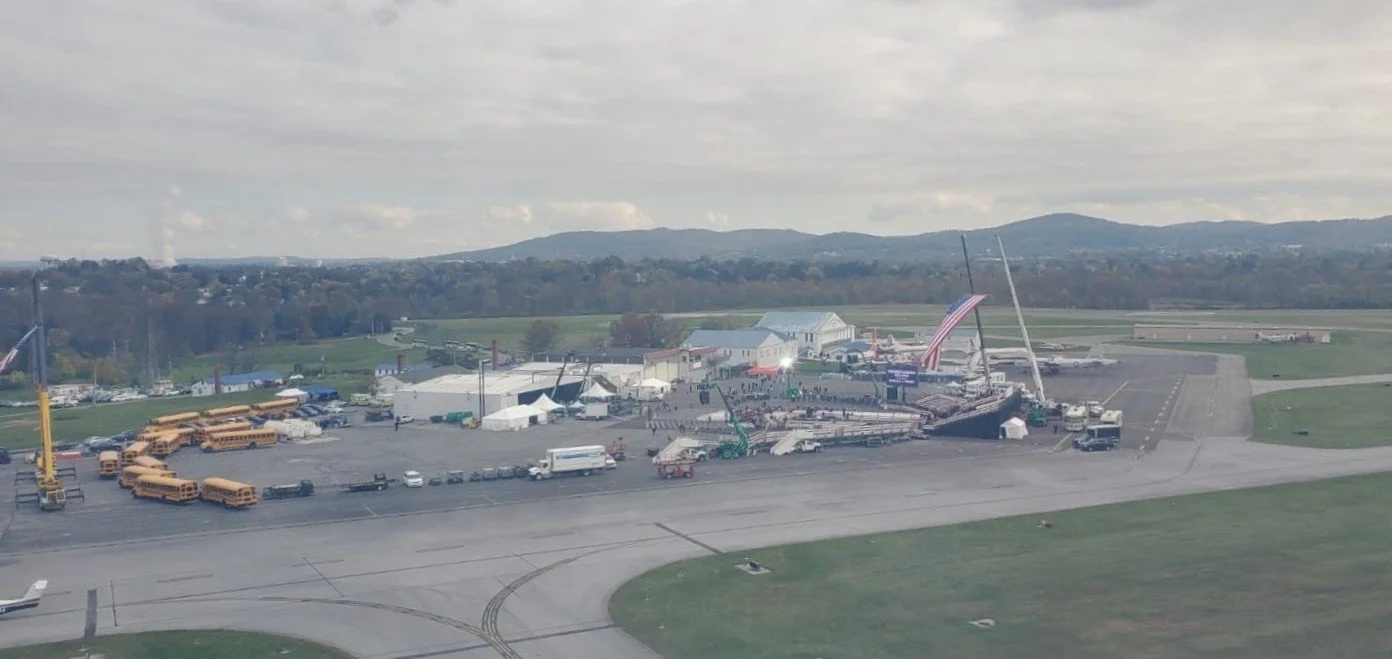
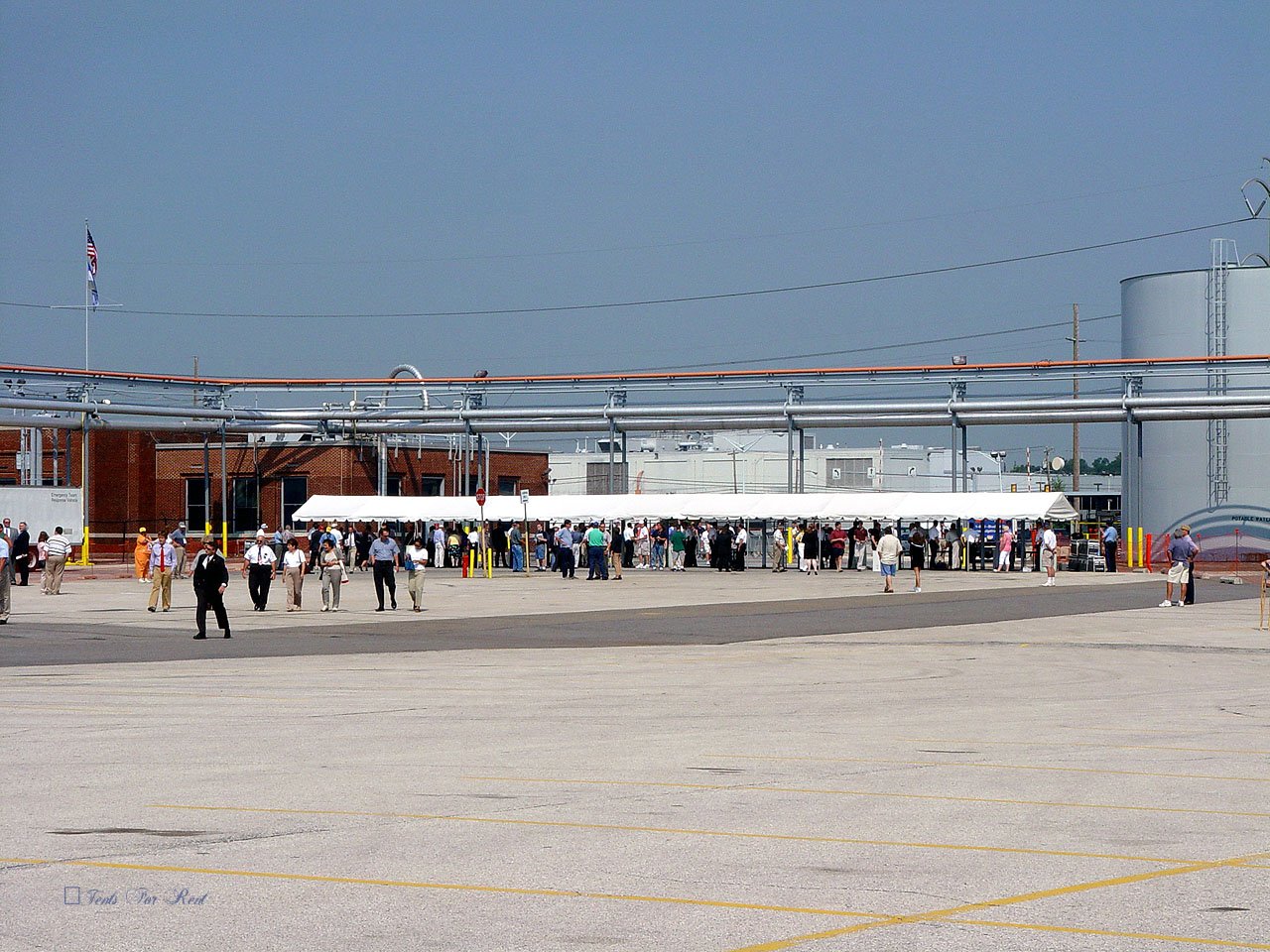
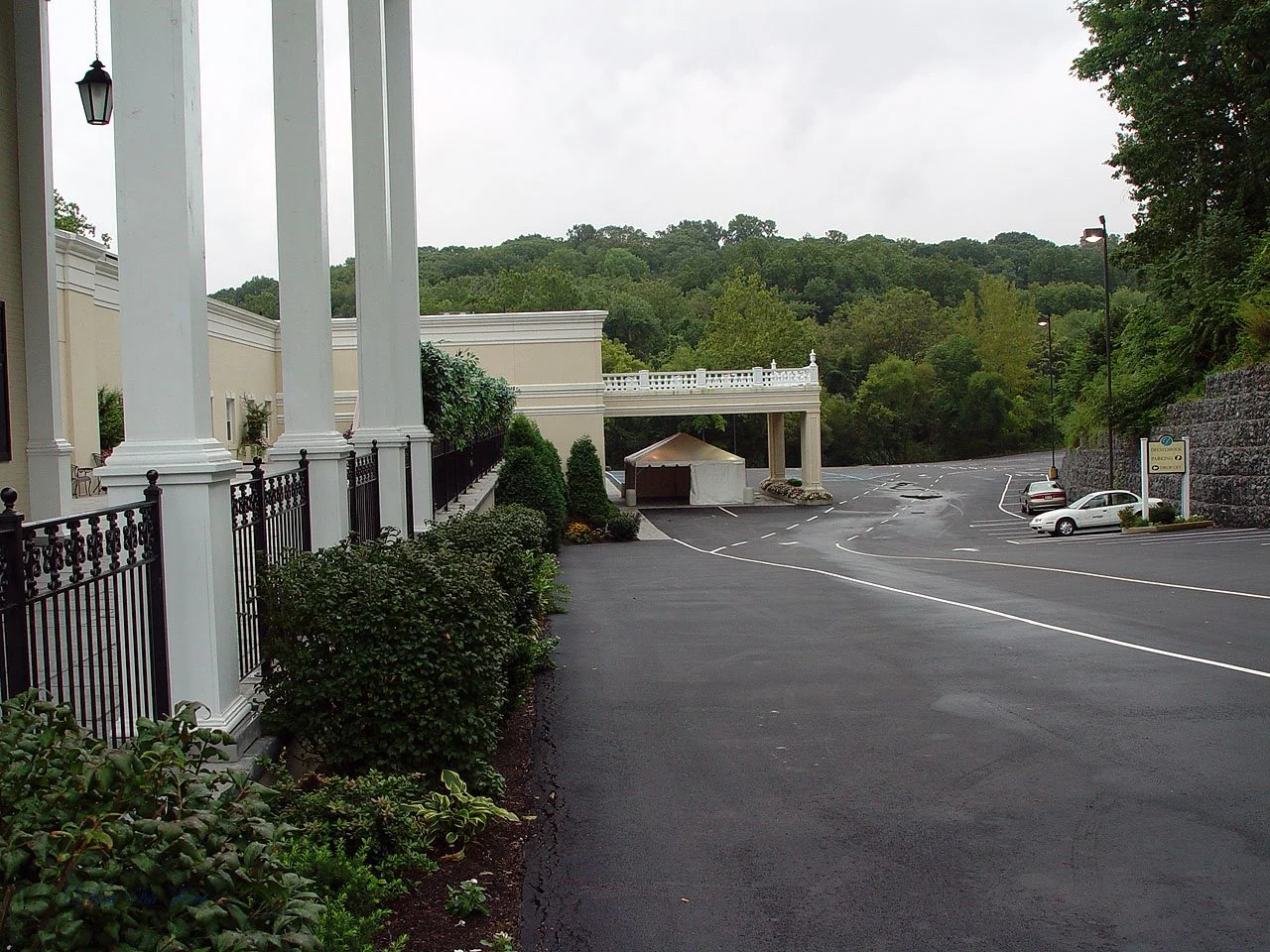
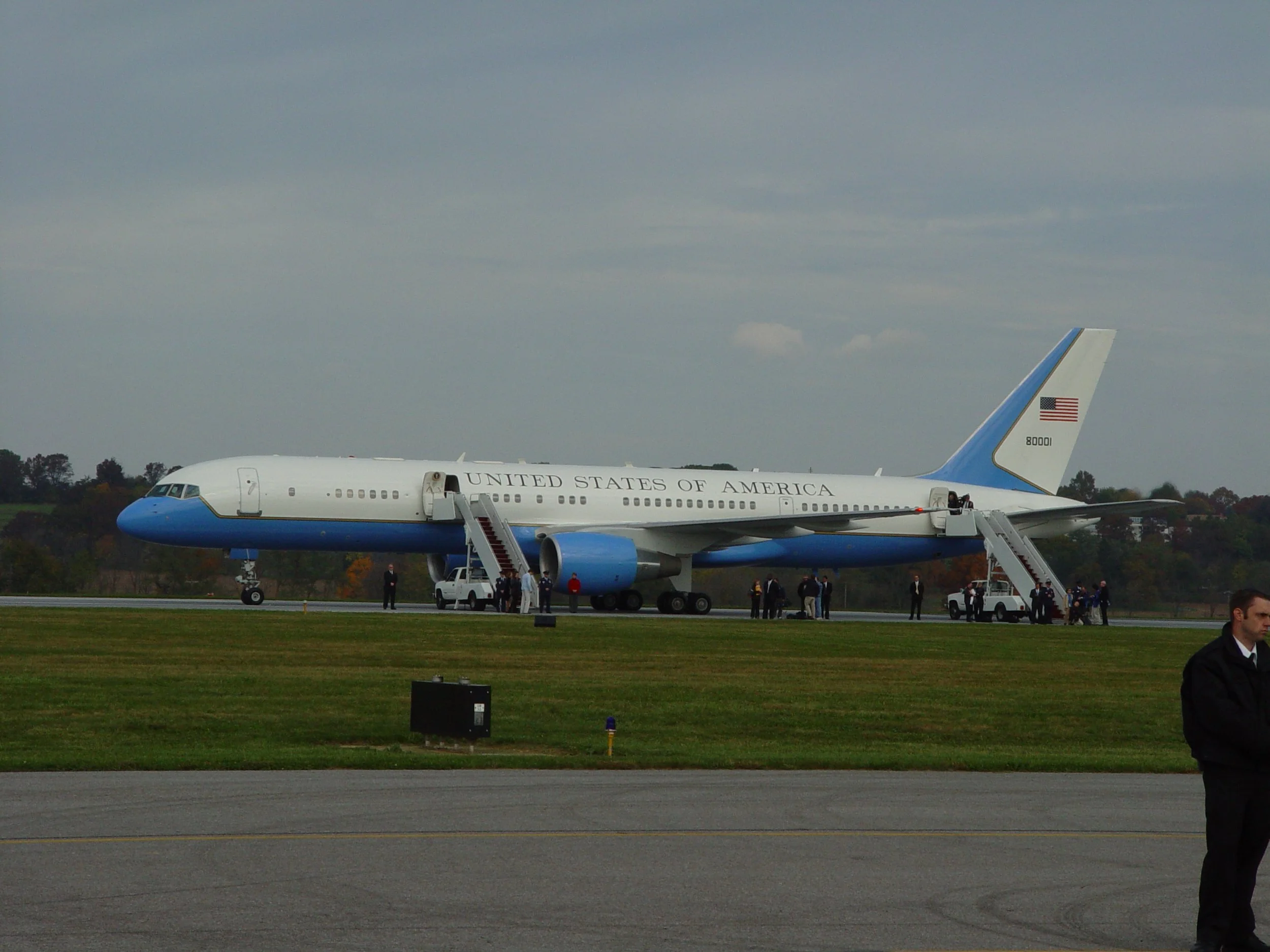
Key Features for Protective and Operational Use
Our tents are configured for secure, functional spaces such as covered transitions, holding areas, screening zones, and support facilities.
Privacy and security during movement: We can equip tents with sliding sidewalls that create protected pathways. These keep VIPs out of view as they move from vehicles to buildings or secure venues, maintaining operational discretion and security while providing shelter.
Surface-friendly securing: On asphalt, concrete, or paved areas, we can use weighted ballast systems instead of stakes. This anchors structures securely without damaging the surface—an essential detail for sensitive sites.
Comfort at security points: We provide enclosed or semi-enclosed tents specifically for the comfort of guests and staff during magnetometer screening and vehicle inspections. These spaces offer protection from weather and a more controlled environment while maintaining necessary flow and access.
Climate control and power: Tents can include fans for ventilation, heaters for colder conditions, and lighting for safety and visibility. When venue power is limited or unavailable, we supply generators to keep everything running independently.
Clearspan and frame designs give unobstructed interiors and flexible layouts for walkways, briefing areas, medical/support stations, drive-throughs or command posts. All setups are handled by our experienced crew with attention to timelines and site conditions.
Key Considerations When Planning Tenting for Secure VIP Events
Thoughtful planning prevents issues and ensures the structures enhance rather than complicate operations. Here are important points to address early:
Site evaluation — Assess terrain, drainage, vehicle access routes, proximity to buildings, and existing surfaces (paved vs. grass) to determine the right tent types and anchoring methods.
Privacy and line-of-sight control — Plan transition areas and sidewall configurations so movements remain protected from public view.
Surface protection — Specify weighted ballast systems wherever asphalt, concrete, or finished paving must stay undamaged. As an economical alternative, we can secure tents by driving stakes through asphalt, and repairing the holes afterwards.
Security integration — Coordinate tent placement with overall perimeter, access control, and screening locations (including dedicated spaces for magnetometers and vehicle checks).
Weather and climate — Factor in wind, rain, heat, or cold. Size tents appropriately and add fans, heaters, or full climate control as needed.
Power and utilities — Calculate lighting, fan/heater, and equipment needs. Arrange for generators or tie-ins so operations stay uninterrupted.
Flow and comfort — Design layouts that keep screening and holding areas efficient and comfortable for both guests and staff without creating bottlenecks.
Timelines and logistics — Build in realistic setup and teardown windows that align with event schedules and security windows.
Size and height — Identify the size and height of vehicles to specify the proper tent size needed.
Scalability and contingencies — Plan for multiple zones (transition, screening, support, medical) and have backup options for weather or last-minute changes.
Addressing these factors upfront leads to smoother execution and better protection for everyone involved.
Why Work with Tents For Rent LLC
We bring local responsiveness in the Mid-Atlantic region, a full-service approach (delivery, professional installation, customization, and removal), and equipment suited to demanding environments. Whether you need a single transition walkway with sliding walls or a complete site package including screening tents and generators, we configure solutions to your exact requirements.
If you are planning a high-security VIP event or need protective temporary structures, contact our team for a consultation and quote. We focus on delivering dependable results with the professionalism these assignments demand. Integrity and reliability when protection matters most.
The Importance of Tent Ventilation for Summer Weddings
Let’s highlight the importance of tent ventilation for summer weddings so you don’t overlook this critical detail during the planning stages.
Summer weddings have a charm all their own. Bright skies, lush landscapes, and long evenings create a beautiful backdrop for a celebration. For couples who choose an outdoor venue, a tent offers flexibility and elegance without sacrificing comfort. That comfort depends on more than tables, chairs, and décor. The importance of tent ventilation for summer weddings becomes clear the moment guests step inside a cool, airy tent on a warm day. Let's break down why you need great ventilation in summer and how you can achieve it during any =wedding.
Why Summer Heat Creates Challenges
Warm temperatures can build quickly beneath a tent. Direct sunlight, large guest counts, catering equipment, and dance floors all add extra heat to the space. Without proper airflow, the interior can feel stuffy and uncomfortable long before the event reaches its peak.
Guests notice these conditions almost immediately. A tent that feels hot and stagnant can lead to discomfort and fatigue. By contrast, a tent with good ventilation feels fresh and inviting throughout the day. Even mild summer temperatures can create challenges inside an enclosed structure. Air circulation helps reduce heat buildup and keeps the environment pleasant for guests of all ages.
Guest Comfort Should Be a Priority
Every couple wants their guests to have a great time. Comfortable guests tend to stay longer, socialize more freely, and participate in the celebration. Think about grandparents seated during the ceremony, children running between activities, or guests dressed in formal attire.
Summer clothing may help, but airflow plays a much larger role in helping everyone feel at ease. Ventilation also helps prevent that heavy, crowded feeling that can develop when large groups gather in one space. Fresh air creates a more welcoming environment and allows guests to focus on the celebration rather than the temperature.
Airflow Helps Protect Your Décor
Wedding décor represents a major investment of time and money. Flowers, linens, candles, and specialty decorations all contribute to the atmosphere you envision. Heat trapped beneath a tent can affect many decorative elements. Floral arrangements may wilt faster, candles can become difficult to manage, and certain materials may not hold up as well under elevated temperatures. Good ventilation helps maintain a more stable environment. Fresh air movement supports the overall presentation of your décor and helps preserve the polished appearance you've worked hard to create.

Food Service Benefits from Ventilation
The importance of tent ventilation for summer weddings also impacts your catering setup. Food stations, buffets, and catering operations generate additional heat. Serving staff move constantly, kitchen equipment produces warmth, and guests gather around food displays throughout the event.
Air circulation helps create a more comfortable setting around dining areas. Guests can enjoy their meals without feeling overwhelmed by excess heat, and catering teams can work more comfortably as they serve attendees. This becomes particularly valuable during afternoon receptions when outdoor temperatures tend to reach their highest point. A well-ventilated tent supports a better dining experience from start to finish.
Dance Floors Stay More Enjoyable
A packed dance floor is one of the highlights of many wedding receptions. Once guests begin dancing, body heat can raise the temperature inside the tent surprisingly fast. Without adequate airflow, the dance area will become uncomfortable within a short period. Guests may take frequent breaks or leave the dance floor earlier than expected. Ventilation allows cooler air to circulate throughout the tent. The result is a more pleasant environment where guests feel comfortable celebrating late into the evening.
Different Ventilation Options Available
You can shop for a wedding tent rental right now, but how do you settle on a suitable ventilation option? Modern event tents offer several ways to promote airflow. The right solution depends on the tent style, guest count, venue layout, and expected weather conditions.
Common ventilation strategies include:
Sidewall openings
Cathedral-style window walls
Strategic tent placement
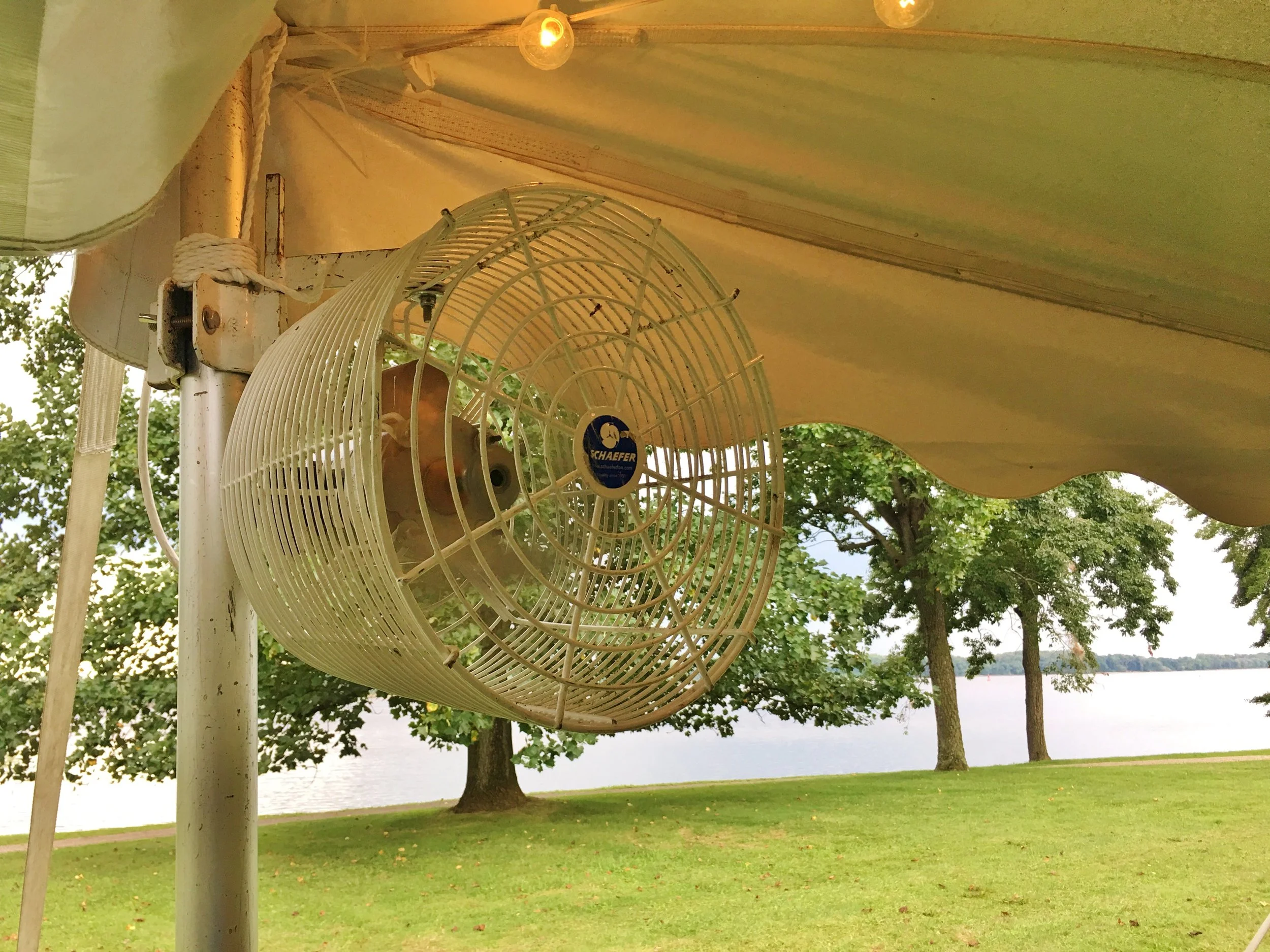
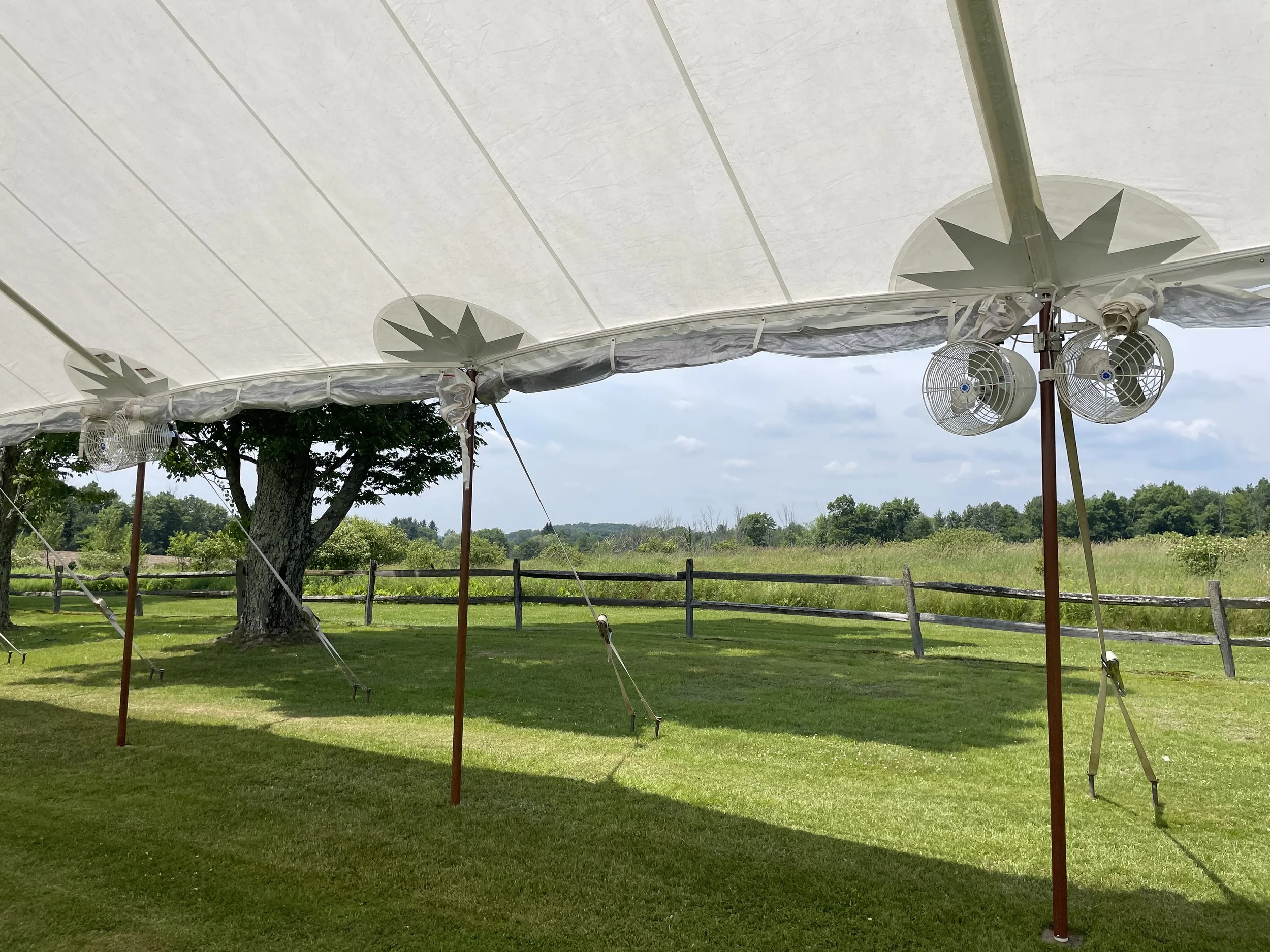
Fans positioned throughout the space
Open tent ends
Climate control systems for larger events
An experienced rental provider can evaluate your event and recommend the most suitable combination of options.
The Role of Tent Design
Not all tents handle airflow the same way. Certain tent styles naturally encourage better circulation than others. High-peak tents, clearspan structures, and larger frame tents typically provide more interior volume. This additional space allows warm air to rise and disperse more effectively.
Tent height can also influence comfort. A taller structure tends to feel more open and airy than a lower-profile design. Combined with proper ventilation features, the right tent design can dramatically improve the guest experience.
Weather Conditions Can Change Quickly
Summer weather remains unpredictable. A sunny morning can transition into a humid afternoon, followed by a calm evening. These fluctuations affect how comfortable guests feel throughout the event.
Ventilation provides flexibility when conditions change. Sidewalls can be easily adjusted, fans can supplement airflow, and tent configurations can adapt to shifting weather patterns. This adaptability allows couples to prepare for a variety of conditions without sacrificing comfort or style.
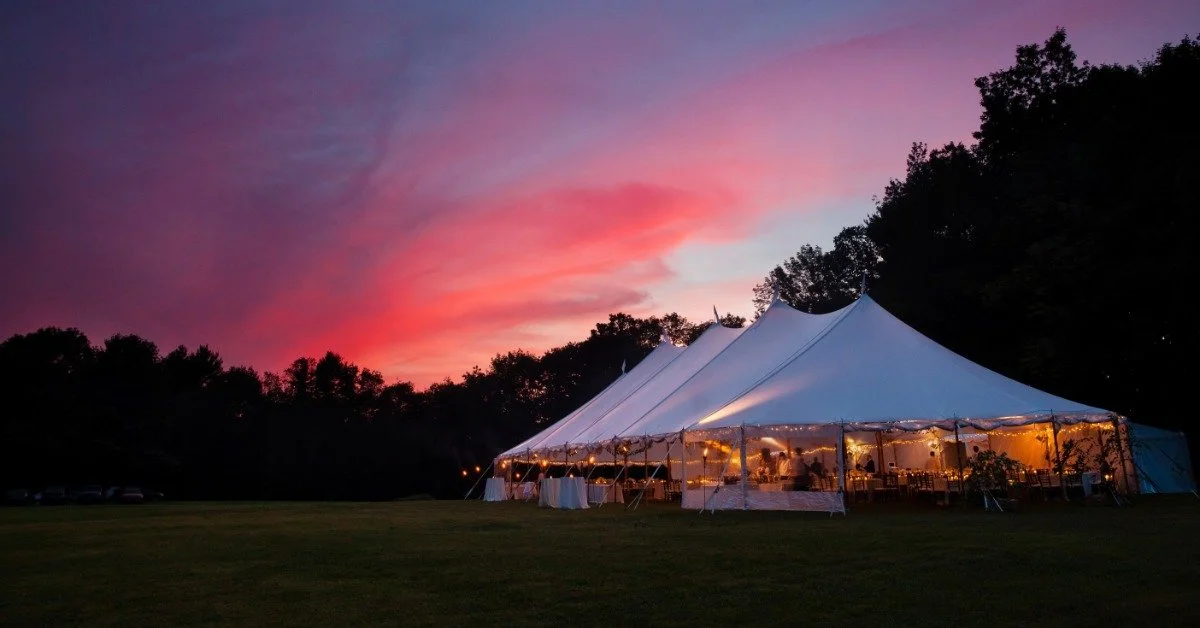
Planning Ahead Produces Better Results
Tent ventilation works best when it becomes part of the planning process from the beginning. Waiting until the last minute may limit available options or create unnecessary challenges.
During consultations with your tent rental provider, discuss factors such as:
Expected guest count
Ceremony and reception timeline
Venue location
Seasonal weather patterns
Catering setup
Dance floor placement
These details help determine the most effective ventilation strategy for your event. Professional tent companies bring years of experience to these conversations and can identify potential concerns before they become problems.
The Importance of Tent Ventilation Extends Beyond Comfort
At first glance, ventilation may seem like a minor detail. In reality, it influences nearly every aspect of a summer wedding. From guest comfort and food service to décor preservation and dance floor enjoyment, proper airflow contributes to a more pleasant atmosphere throughout the celebration. A beautiful tent creates the setting, but fresh circulating air helps guests fully enjoy that setting. As you plan your outdoor wedding, work with a knowledgeable tent rental company that understands how to create a comfortable environment for every attendee.
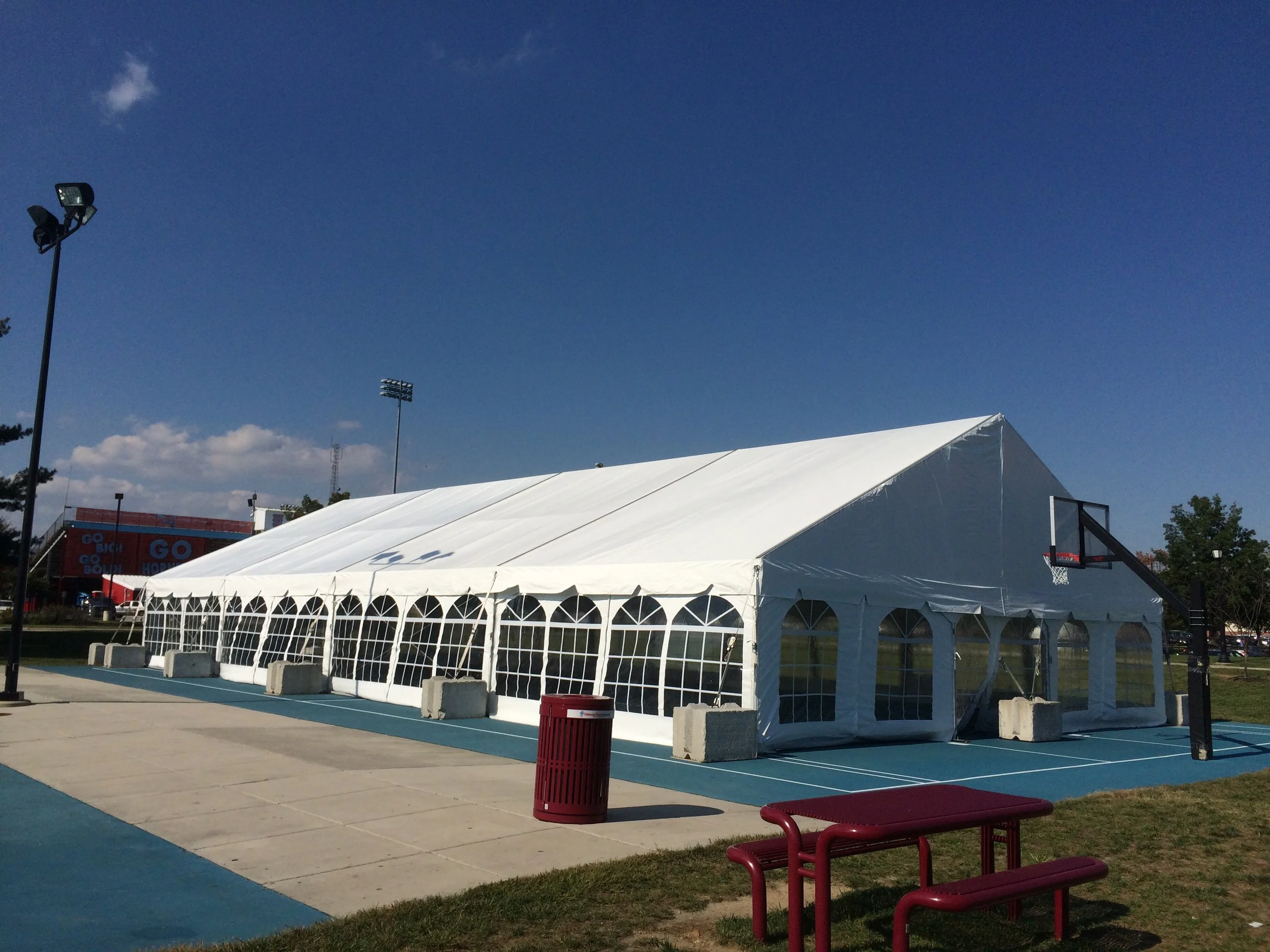
Staking vs. Ballasting: How to Safely Secure Frame Tents and Clearspan Tents with Concrete Weights
Staking is always the best way to anchor a tent, but when it's not possible, proper concrete block ballasting is essential. Discover Tents For Rent's standard weight recommendations for common frame and clearspan tent sizes and best practices to keep your event secure.
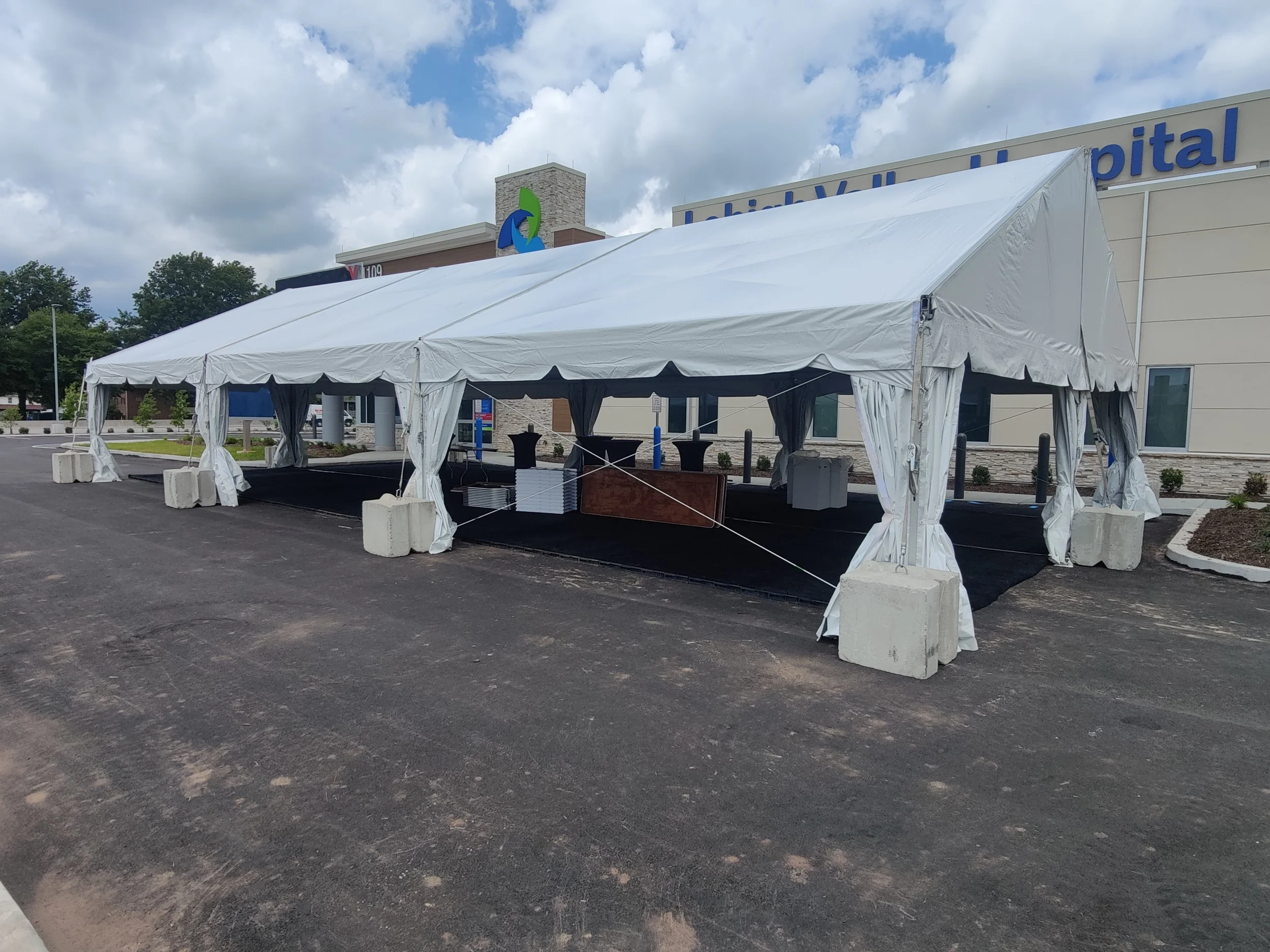
Proper anchoring is essential for the safety of any tent installation. Staking remains the best and most effective method whenever soil conditions permit. It delivers superior resistance to wind uplift and lateral forces at a lower cost. However, on hard surfaces like concrete, asphalt, or sites where staking is restricted by permits or utilities, concrete block ballasting is the reliable alternative for both frame tents and clearspan tents.
Tents For Rent always prioritizes staking when possible and uses ballasting solutions only when necessary.
Why Proper Weighting Matters
Frame tents and clearspan tents offer larger unobstructed spaces and the ability to be installed without stakes. Insufficient ballast risks uplift, shifting, or collapse. Industry standards (e.g., from ARA/ATA guidelines) emphasize calculating ballast based on tent size, wind exposure, surface, and other variables.
Key Disclaimer: These are standard recommendations under normal circumstances. Each installation must be adjusted for specific location, event duration, anticipated wind speeds, ground/surface conditions, sidewalls, and other factors. Tents For Rent provides site-specific guidance; always comply with local codes and manufacturer specs. Contact us for a professional assessment.
Frequently asked questions:
-
Sand bags are not a safe way to secure a tent. They don’t weigh enough, and they don’t have a safe attachment point.
-
Water barrels are not an ideal way to secure a tent. The plastic slides easily in a storm, and water can leak out of them, reducing their weight.
-
The price of a ballasted frame tent is approximately 3 times the cost of a similarly sized staked pole tent.
-
While there are many factors that determine how much weight a tent requires, a good rule of thumb is 10 pounds of ballast per square foot of tent.
Tents For Rent Standard Ballast Recommendations
We recommend solid concrete blocks (typically 500 lb, 1,100 lb, or 1,600 lb units) properly secured to tents. Here are our guidelines for common sizes:
| Tent Size (feet) | Tent Size (meters) | Qty 500 lb | Qty 1,100 lb | Qty 1,600 lb | Total Weight (lbs) |
|---|---|---|---|---|---|
| 10x10 | - | 2 | - | - | 1,000 |
| 10x20 | - | 4 | - | - | 2,000 |
| 15x15 | - | 4 | - | - | 2,000 |
| 20x20 | - | 8 | - | - | 4,000 |
| 20x30 | - | 10 | - | - | 5,000 |
| 20x40 | - | - | 8 | - | 8,800 |
| 20x50 | - | - | 10 | - | 11,000 |
| 20x60 | - | - | 12 | - | 13,200 |
| 30x30 | - | - | 8 | - | 8,800 |
| 30x40 | - | 2 | - | 10 | 17,000 |
| 30x50 | - | 2 | - | 12 | 20,200 |
| 30x60 | - | - | - | 14 | 22,400 |
| 40x40 | - | - | 4 | 6 | 14,000 |
| 40x50 | - | - | 4 | 8 | 17,200 |
| 40x60 | - | - | - | 12 | 19,200 |
| 40x70 | - | - | - | 14 | 22,400 |
| 40x80 | - | - | 4 | 14 | 26,800 |
| 40x90 | - | - | 4 | 16 | 30,000 |
| 40x100 | - | - | - | 20 | 32,000 |
| 40x110 | - | - | - | 24 | 38,400 |
| 40x120 | - | - | - | 26 | 41,600 |
| 40x130 | - | - | - | 26 | 41,600 |
| 40x140 | - | - | - | 30 | 48,000 |
| 65x49 | 20M x 15M | - | 6 | 30 | 54,600 |
| 65x65 | 20M x 20M | - | 6 | 36 | 64,200 |
| 65x82 | 20M x 25M | - | 6 | 42 | 73,800 |
| 65x98 | 20M x 30M | - | 6 | 48 | 83,400 |
Note: Quantities and totals reflect standard installs. Larger clearspan structures often require significantly more ballast due to their design.
Cost Considerations
Switching from a pole tent (staked) to a weighted frame or clearspan tent roughly triples the price due to the additional equipment, transportation, and labor for safe ballasting. This investment ensures compliance and guest safety. Sometimes a frame tent can be installed in such a way that a portion of the tent can be secured by stakes. This can reduce cost significantly. For example, when a tent is installed on asphalt, sometimes we can locate the tent along the edge of the asphalt and drive stakes into the grass.
Best Practices for Concrete Block Ballasting
Use purpose-built concrete blocks.
Secure blocks directly to tent legs to prevent shifting.
Monitor weather forecasts and adjust as needed.
Concrete blocks outperform water barrels, which can slide, leak, or lose effectiveness.
For detailed engineering or custom scenarios, we rely on proven tools and our extensive experience with commercial, government, and industrial events.
Situations that require ballasting:
Asphalt where staking is not allowed
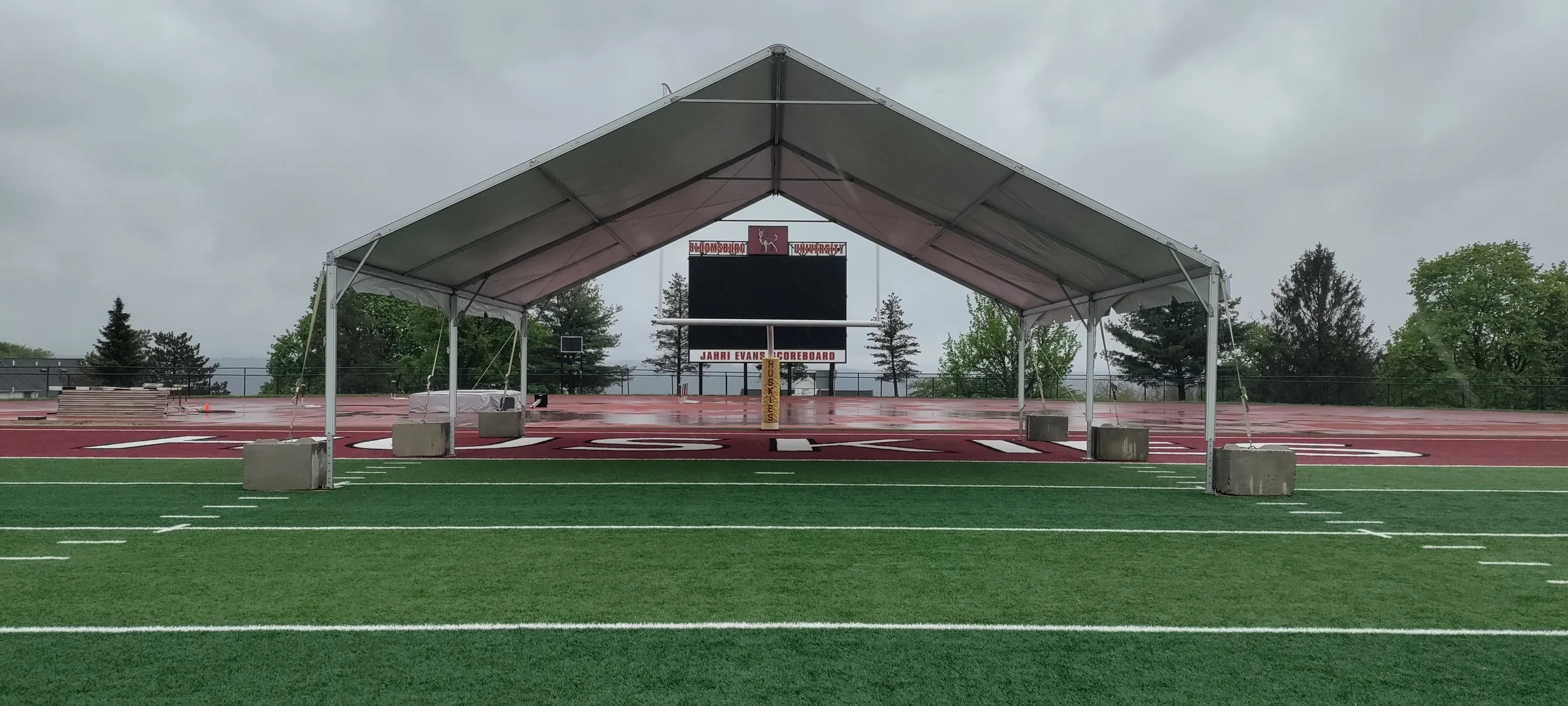
Astroturf sports fields
Decks and patios. Sometimes, stakes can secure these tents around the perimeter.
Boardwalks
Parking garages
When there is insufficient time to locate underground utilities before installing the tent
Where there are so many underground utilities that no stakes may be driven into the ground
On building rooftops. In this situation, the building must be engineered to support the weight of the tent structure and the required weights. The additional height and wind exposure also requires more weights than a standard installation.
Ready for your next event? Contact Tents For Rent LLC for expert advice, precise ballasting plans, and reliable rentals serving PA, NJ, MD, DE, WV, and surrounding areas. Safety is our priority—stake when you can, ballast correctly when you must.
This information is general guidance based on industry standards and our experience. It is not a substitute for site-specific engineering or local regulations.
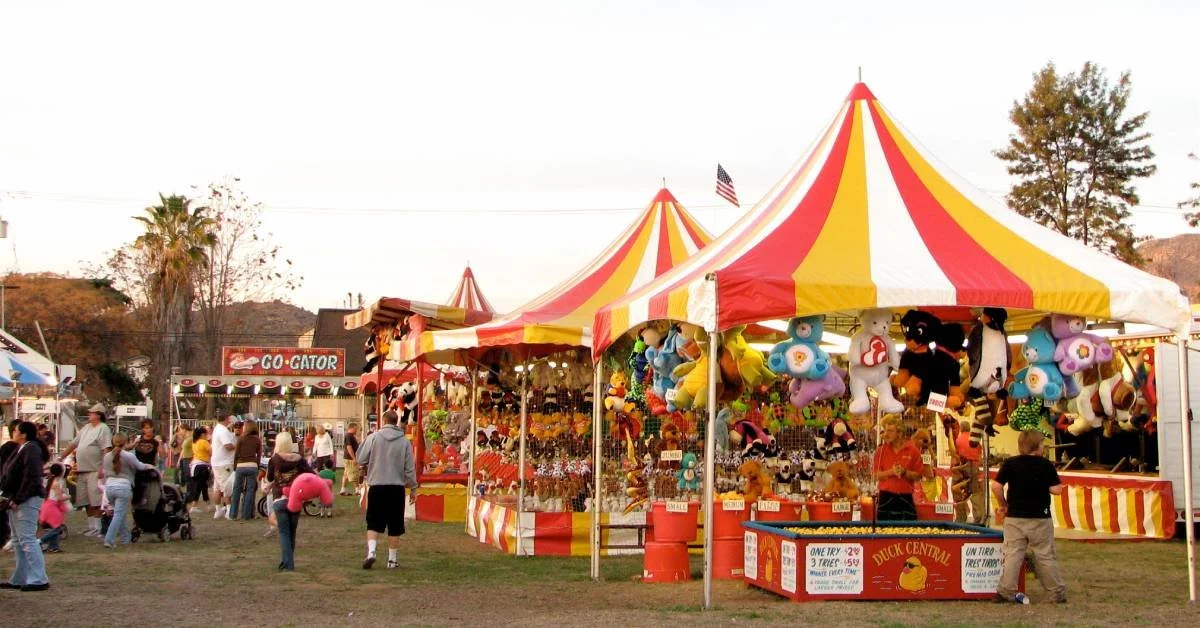
What To Know Before Renting Tents for a School Carnival
Refer to our complete guide on what to know before renting tents for a school carnival to ensure you make the right choices before the big day arrives.
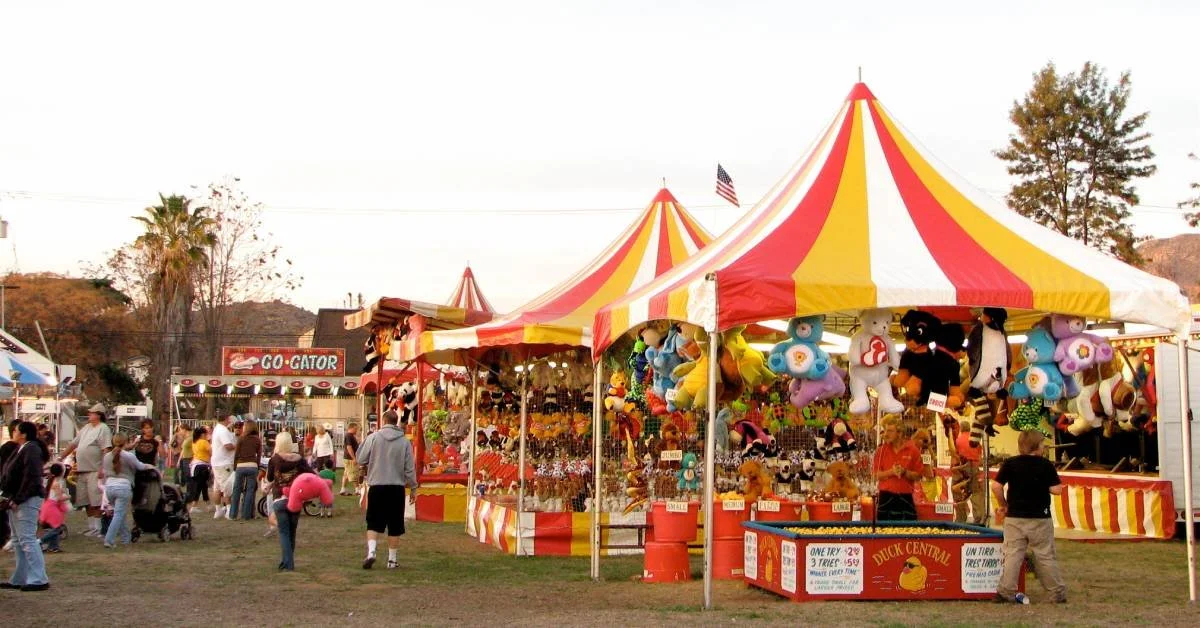
School carnivals bring students, families, teachers, and community members together for a day full of fun. From game booths and food stations to prize tables and live entertainment, there’s a lot to coordinate before the big day arrives. One detail that deserves careful planning is the event tent setup. Before final plans take shape, take time to learn what to know before renting tents for a school carnival.
Start With Attendance Estimates
One of the first pieces of information a rental company will need is the expected guest count. A carnival with 200 attendees requires a very different setup than one with 1,000 guests. Attendance estimates help determine tent size and seating arrangements. Even if exact numbers aren't available, a reasonable estimate gives planners a solid starting point.
Think beyond students alone. Parents, grandparents, faculty members, volunteers, vendors, and community guests can all add to the crowd. A larger attendance estimate usually leads to a more comfortable event layout. Giving guests enough room to move around helps reduce congestion near popular attractions and food stations.
Consider How the Tents Will Be Used
Not every tent at a school carnival serves the same purpose. Some may provide shade for dining areas, while others cover ticket booths, game stations, or entertainment spaces. Creating a list of planned activities helps determine how many tents you need and what sizes work best for each area. Common carnival tent uses include:
Food and beverage stations
Prize redemption tables
Registration and ticket sales
Volunteer headquarters
Dining and seating areas
First aid stations
Performance spaces
Each activity benefits from a layout accurately designed around guest flow and accessibility.
Evaluate the Event Site
The location plays a major role in tent planning. Open fields, parking lots, playground areas, and athletic facilities all present different setup considerations. Before reserving tents, review the available space carefully.
Measure the event area and identify any obstacles that could affect installation. The items you must evaluate include tree branches, utility lines, fences, sports equipment, slopes/uneven ground, and nearby buildings. A discussion or site visit with an experienced rental company can help identify potential challenges before setup day arrives.

Plan for Weather Conditions
Weather can change quickly, especially during spring and fall carnival seasons. A sunny forecast today doesn't always guarantee clear skies on event day. Tents provide protection from sun exposure and light rain, giving guests a more comfortable place to gather.
Additional rental items may improve comfort even further. Depending on the season, planners may choose sidewalls, fans, lighting, or flooring. Weather preparation allows carnival activities to continue with fewer interruptions and helps organizers feel more confident as the event approaches.
Think About Seating and Dining Areas
Many school carnivals include food vendors or snack stands. Guests appreciate having a designated place to sit and eat. Tent-covered dining areas create a central gathering space where families can take a break between activities.
When planning seating, consider the number of tables and chairs you will need, as well as the space necessary between each table. This helps with maximizing comfort and accessibility during events.
Never overlook traffic flow around dining areas. A crowded seating section can create bottlenecks. A thoughtful layout helps guests move smoothly throughout the event.
Don't Forget Power Requirements
Before finalizing the tent layout, identify any activities that require power access. This information helps organizers determine outlet locations, extension cord needs, and generator requirements. Early planning also reduces the chance of cords crossing high-traffic walkways. When power needs are accurately discussed in advance, setup crews can create a safer and more organized event environment.
Create a Clear Event Layout
A well-organized carnival feels easier to navigate. Guests can quickly find attractions, food stations, and rest areas without confusion. Before tents arrive, sketch a rough site map that shows where activities will take place. This visual guide helps coordinate tent placement and supports smoother event logistics.
Popular attractions tend to draw larger crowds. Leaving extra space around those areas can improve traffic flow throughout the venue. A strong layout contributes to a more enjoyable guest experience from arrival through departure.
Reserve Tents Early
School carnivals frequently take place during busy event seasons. Graduation parties, weddings, community festivals, and corporate events may compete for the same rental inventory. Waiting until the last minute can limit tent size options and accessory availability. Early reservations provide several advantages:
Greater inventory selection
More scheduling flexibility
Additional planning time
Better coordination with vendors
Reduced stress before the event
Organizers should begin rental conversations several months before the carnival date.
Ask About Additional Rental Items
A tent rental company can usually provide more than tents alone. Many schools find value in working with a single provider for multiple event needs. Additional rentals can help streamline the planning process and create a more cohesive setup. Popular carnival rentals may include:
Tables
Chairs
Lighting
Dance floors
Portable restrooms
Linens
Crowd control equipment
Bundling rentals through one company may reduce coordination challenges and simplify logistics. For instance, at Tents For Rent, we provide event tent rentals in PA and surrounding states, but we can also supply materials for tables, lighting, staging, and more.
Understand Setup and Removal Logistics
Installation timing deserves attention during the planning phase. Schools need to know when crews will arrive, how long setup will take, and when equipment removal will occur. These details affect parking availability, school operations, and volunteer scheduling. Discussing logistics early helps avoid surprises during event week. Many rental companies handle delivery, installation, and removal, allowing school staff and volunteers to focus on other responsibilities.
Prioritize Safety
School events require special attention to safety. Tents should be professionally installed and properly secured based on site conditions. Experienced rental teams understand industry standards and use equipment designed to provide stable support.
Safety planning should also include securing clear walkways, accessible exits, and emergency access routes. This is where you should also pay special attention to proper lighting and organized power distribution. Loose wires in areas with even minimal foot traffic create major health hazards. Thoughtful preparation helps create a comfortable environment for students, families, staff, and visitors.
Work With an Experienced Tent Rental Partner
School carnivals involve many moving parts. An experienced tent rental company brings valuable knowledge that can help organizers avoid common challenges. Rental professionals can recommend tent sizes, suggest layout improvements, and identify solutions based on the event's goals. Good communication throughout the planning process helps create a setup that supports both functionality and guest comfort.
Taking time to understand what to know before renting tents for a school carnival helps organizers create a welcoming space for students, families, and community members. If you're planning an upcoming school carnival, connect with a trusted tent rental provider early in the process. Professional guidance, quality equipment, and thoughtful event planning will transform an outdoor space into a fun and memorable destination for everyone who attends.
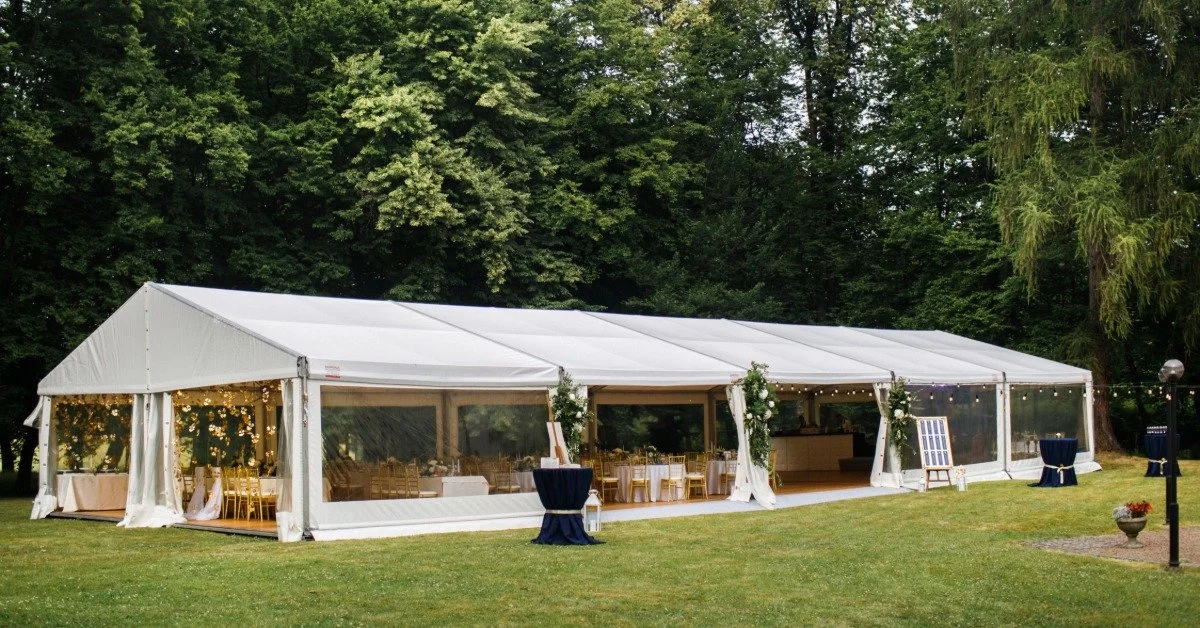
The Vendors a Wedding Coordinator Should Prioritize
Get familiar with all the vendors a wedding coordinator should prioritize so you can organize everyone successfully before the big day arrives.
Every wedding comes together through teamwork, clear plans, and the right vendor mix. A coordinator sets the tone for that process and keeps every detail aligned. When the right vendors take priority early, the entire event feels smoother and far less stressful. If you’re planning a wedding or working with a coordinator, this guide will help you focus on the partnerships that matter most. Let’s break down how you can successfully organize the vendors a wedding coordinator should prioritize so you can bring the big day together beautifully.
Venue and Rental Team: The Foundation of the Day
Every wedding starts with a space. The venue shapes the layout, timeline, and guest experience. For outdoor celebrations, a rental company plays an even larger role since it provides structure, comfort, and atmosphere.
You can rent a wide range of items from vendors before a wedding. A key example is a white tent rental, which help you establish a great outdoor space without fully purchasing the materials. A strong rental partner offers more than tents. They can provide tables, chairs, lighting, and layout support.
That level of service keeps the event cohesive and polished. A backyard wedding can feel like a full venue once the right tent and lighting plan come into place. A coordinator should connect with the rental team early.
This step helps avoid last-minute layout changes or supply gaps. It also opens the door for creative ideas that elevate the entire setup. Let’s take a closer look at the many other vendors you will have to collaborate with before your next wedding.
Catering Team: Fuel for the Celebration
Food sets the mood in ways guests never forget. A skilled catering team brings flavor, timing, and service together in a seamless way. Coordinators should give this vendor top attention since meal service affects the entire schedule.
A caterer with event experience knows how to pace courses, manage staff, and adapt to real-time changes. Picture a reception where dinner flows smoothly into speeches and dancing. That rhythm comes from strong coordination between planner and caterer.
Clear communication helps avoid delays or confusion. Menu choices, dietary needs, and service style should all align well before the wedding day. A reliable caterer keeps guests happy and the timeline on track.
Photographer and Videographer: Capturing Every Moment
Memories last long after the final song. A photographer and videographer turn those moments into lasting keepsakes. A coordinator should treat these vendors as close partners throughout the planning process.
These professionals need a clear schedule, good lighting conditions, and access to key moments. For example, sunset photos require precise timing and a well-planned location. A coordinator helps create that opportunity by managing the timeline.
Florist and Decor Team: Setting the Scene
Flowers and decor bring personality into the space. They tie together color, texture, and style. A coordinator should choose this vendor to keep the visual theme consistent.
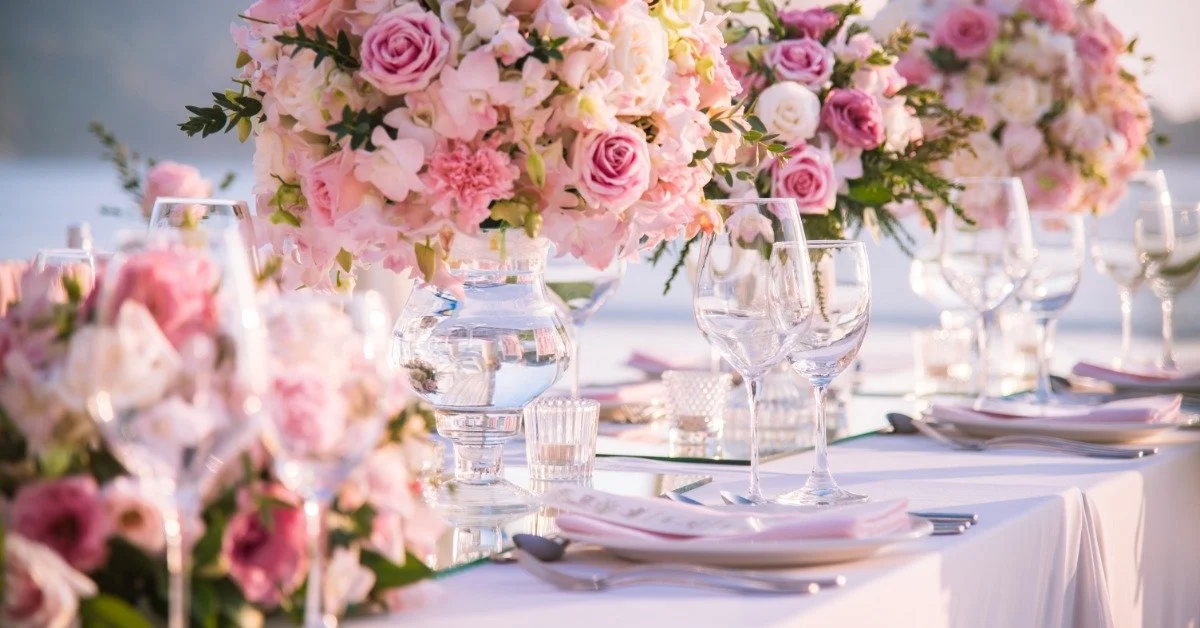
A florist does more than create bouquets. They design centerpieces, ceremony arches, and accent details that enhance the setting. A soft color palette paired with elegant linens can transform a simple tent into a refined space.
Coordination matters here. Delivery times, setup needs, and placement details all require clear direction. When everything aligns, the decor feels intentional and polished.
Entertainment: Energy and Atmosphere
Music shapes the energy of the event. A DJ or live band controls the flow of the reception and keeps guests engaged. A coordinator should work closely with this vendor to create a balanced timeline.
A skilled entertainer reads the crowd and adjusts as necessary. They know when to slow things down and when to build excitement. A packed dance floor typically comes from the right mix of songs and timing. The entertainment team should have a clear schedule for entrances, speeches, and special dances. That structure keeps the event moving smoothly from one moment to the next.
Hair and Makeup Team: Starting the Day Right
The wedding day begins long before the ceremony. Hair and makeup set the tone for the entire experience. A coordinator should treat this vendor as part of the core team.
A skilled beauty team works efficiently and keeps the schedule moving. They also create looks that last through photos, weather, and hours of celebration. For instance, a well-planned schedule allows each member of the wedding party to feel relaxed and ready.
Transportation: Keeping Everyone on Track
Transportation may not seem glamorous, but it plays a major role in timing and guest experience. A coordinator should give this vendor proper attention to avoid delays. Shuttle services help move guests between locations with ease.
This option works well for weddings with separate ceremony and reception sites. It also keeps parking simple and organized. A clear schedule helps prevent confusion. Pickup times, routes, and contact details should all stay well documented.
Planner or Coordinator Support Team
Even experienced coordinators benefit from extra support. Assistants help manage logistics, guide guests, and handle small tasks that pop up throughout the day. A well-prepared support team allows the lead coordinator to focus on big-picture decisions.
For instance, one person can handle vendor arrivals while another directs guests to their seats. This layer of support keeps everything organized and reduces stress. It also allows quick responses to any unexpected changes.
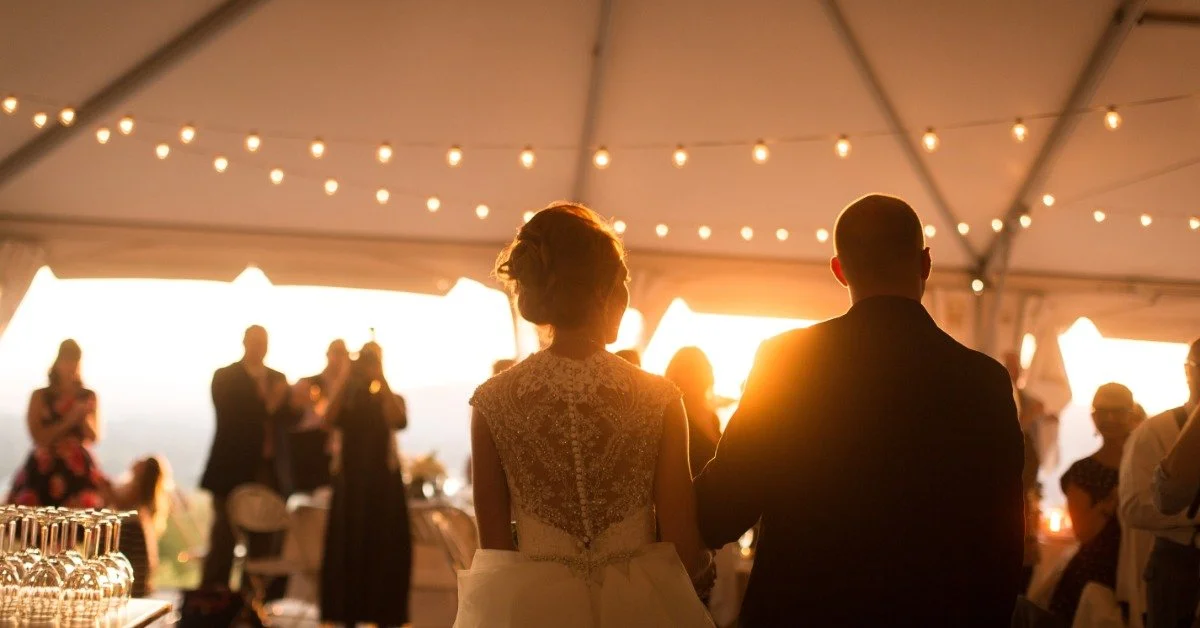
How to Approach Vendor Priorities With Confidence
A coordinator does more than book vendors. They build a team that works well together. Each connection adds value and supports the overall vision.
Start with vendors that shape the structure of the event. Venue, rentals, and catering form the base. From there, focus on vendors that enhance the experience, such as photography, decor, and entertainment.
Strong communication ties everything together. Clear expectations and shared timelines help each vendor perform at their best. When that alignment takes place, the entire event feels smooth and enjoyable.
Final Thoughts
Identifying all the vendors a wedding coordinator should prioritize is critical for keeping the big day on track. A wedding feels effortless when the right vendors work as one team. Every good coordinator plays a central role in that process by focusing on the partnerships that matter most.
From the venue to the final song, each vendor adds value in a unique way. If you’re planning an outdoor wedding, connect with a reliable rental provider to set the stage for success. A strong foundation allows every other detail to fall into place with confidence.
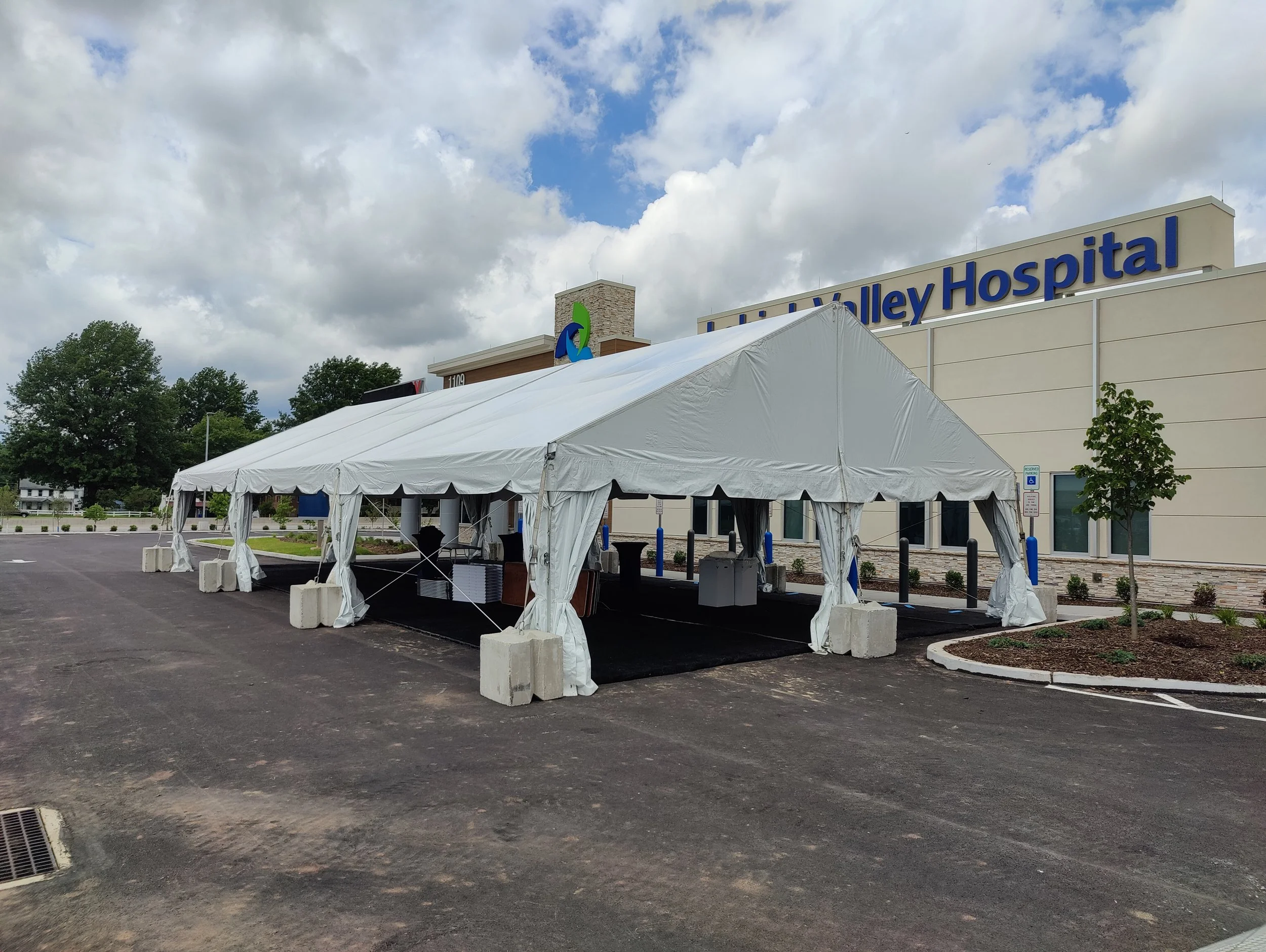
Choosing the Proper Tent Weights for Your Tent
A great tent requires proper support. Find out how you can start choosing the proper tent weights for your tent and build a stable base for your next event.
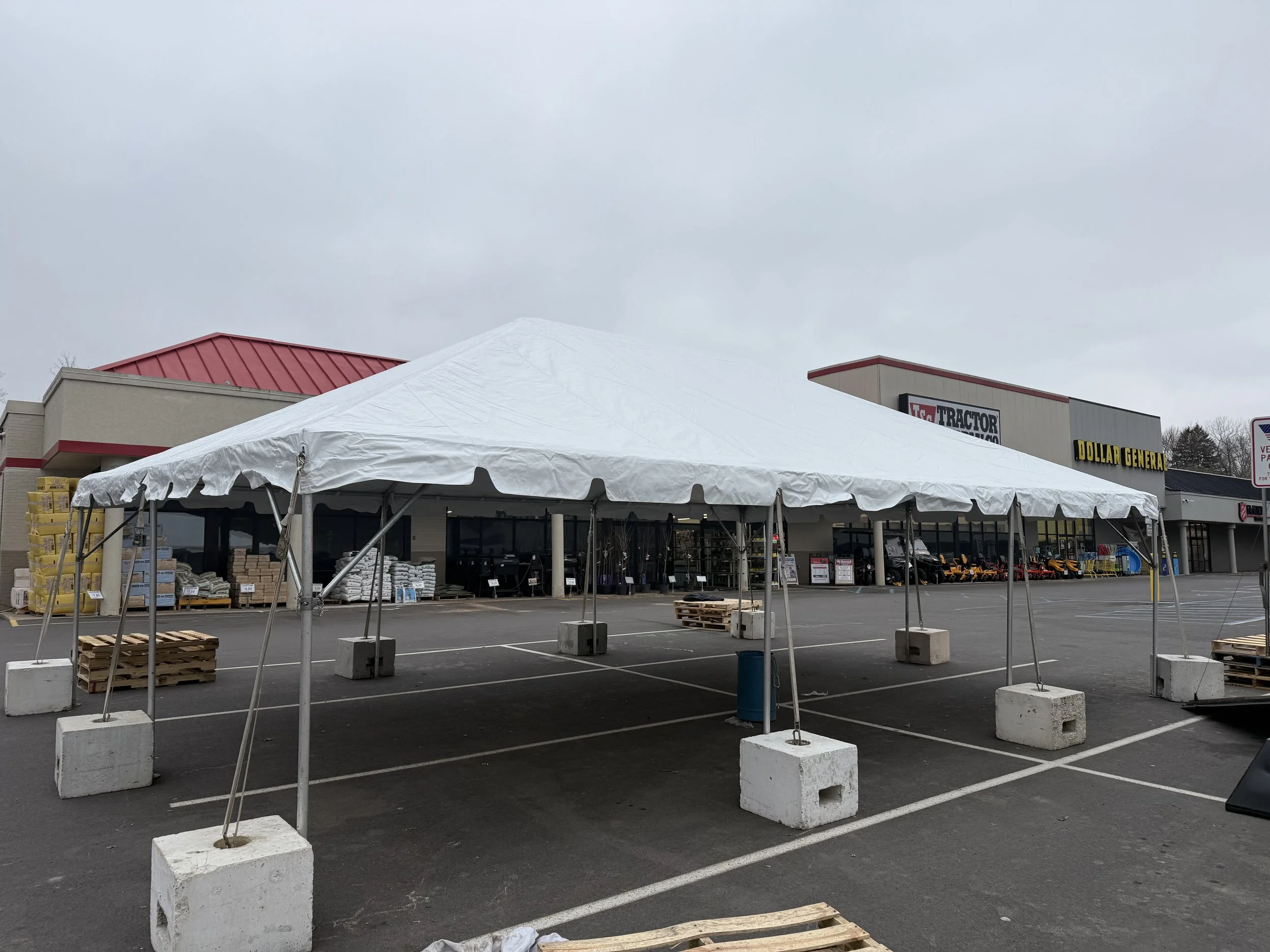
Outdoor events bring a special kind of charm, though they also come with a few logistical hurdles. One detail that deserves attention sits right at ground level: tent weights. If you want your setup to stay secure and look polished from start to finish, it pays to get this part right. Choosing the proper tent weights for your tent sets the tone for safety, peace of mind, and a smooth event day. Find out how to get the right weights for your tent today.
Why Tent Weights Matter More Than You Think
Tent weights do more than hold things in place. They protect guests, safeguard equipment, and help your event run without interruptions. A tent without proper anchoring can shift or lift under pressure from wind, and that can create serious problems. With the right approach, you will avoid those risks and keep your focus where it belongs—on your guests and your celebration.
At first glance, tent weights may seem like a minor detail. In reality, they play a major role in the overall structure of your setup. Even a light breeze can put pressure on a tent canopy, especially larger ones with high peaks or wide spans.
A properly weighted tent stands firm through changing conditions. It stays aligned, keeps tension on the fabric, and prevents movement that could disrupt decorations. Guests may never notice the weights themselves, but they benefit from the stability they provide.
Types of Tent Weights You’ll See
Not all weights look the same, and each type serves a specific purpose. The right choice depends on your surface, tent size, and overall layout.
Concrete Weights
Concrete blocks offer a reliable and widely used solution. These weights deliver solid mass and hold up well under pressure. Many setups use them for medium to large tents, especially on hard surfaces like pavement. They can be conveniently stacked or combined to reach the required weight per leg. Their simple design makes them easy to place, though they require proper handling due to their heft.
Water Barrels
Water barrels provide flexibility and convenience. Once filled, they offer substantial weight without the need to transport heavy materials in advance. After the event, they can be drained and moved with ease. However, we don’t normally recommend water barrels because of two problems. They can leak and lose their holding power. Even worse, a plastic water has very little grip and can slide in a storm.
Sandbags
Sandbags are easy to transport and adjust, but they do not provide enough resistance for large-scale structures. They also lack a secure way to fasten them to the tent
Steel Plates
Steel plates deliver a low-profile option with strong holding power. These sit flat against the ground, which helps maintain a clean and polished look. Event planners tend to prefer them for weddings or formal gatherings where appearance matters. They also reduce tripping hazards compared to bulkier options.
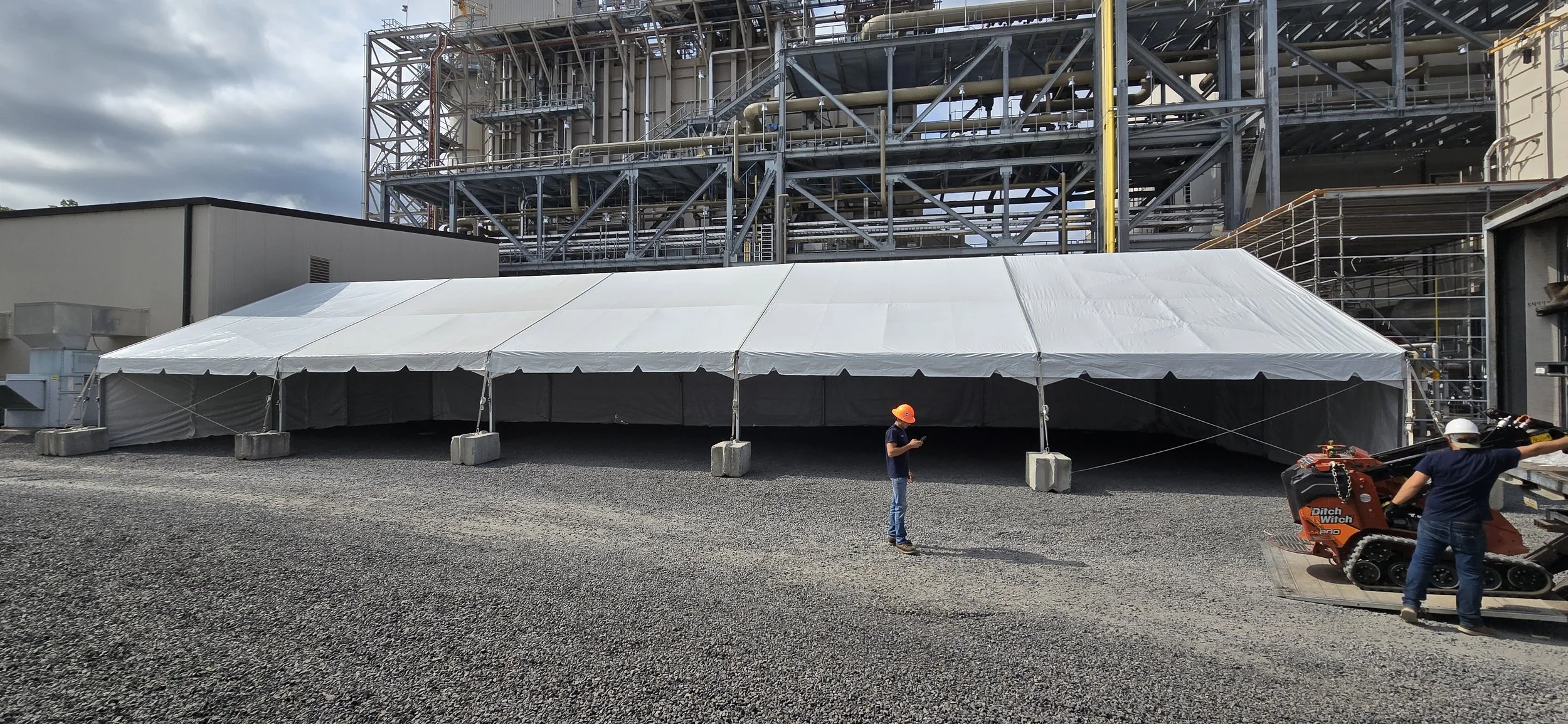
Matching Weight to Tent Size
Every tent requires a specific amount of weight per leg. This number increases as the tent grows in size or height. A small canopy may need only a modest amount, while a large wedding tent calls for much more support. Here’s a general idea of how weight needs scale:
Small tents (10x10 or 10x20): lighter weights per leg
Medium tents (20x20 or 20x30): moderate weight requirements
Large tents (40x60 and beyond): heavy-duty anchoring at each point
Wind exposure also plays a role. Open fields, hilltops, and waterfront locations face stronger gusts than sheltered areas. A professional installer evaluates these factors before finalizing the setup. This level of planning helps prevent last-minute adjustments and keeps everything secure from the start.
Surface Type Changes Everything
The ground beneath your tent affects how weights function. Different surfaces call for different strategies, and this is where experience makes a big impact.
Grass or Soil
Grass allows for staking in many cases, though you may still add weights for extra support. Stakes driven into the ground provide a strong anchor, especially for larger tents.
Asphalt or Concrete
Hard surfaces may not allow stakes, so weights become the primary method of anchoring. This setup requires careful calculation to meet safety standards.
Decks or Patios
These areas need special attention. Installers may use a combination of weights and protective materials to avoid damage to the surface while maintaining stability. Each surface brings its own challenges, and a highly tailored approach helps avoid issues during setup and teardown.
Weather Conditions and Their Impact
Weather can shift quickly, and your tent setup needs to handle those changes with confidence. Wind presents the biggest concern, though rain can also affect ground conditions and stability. A calm morning can turn into a breezy afternoon, especially in open areas. Heavier weights provide a buffer against these shifts and reduce the chance of movement.
Rain adds another layer to consider. Saturated ground can loosen stakes, so additional weight may be necessary to maintain tension. A professional team plans for these scenarios and adjusts the setup as needed. This proactive mindset helps your event continue without interruption, even if conditions change.
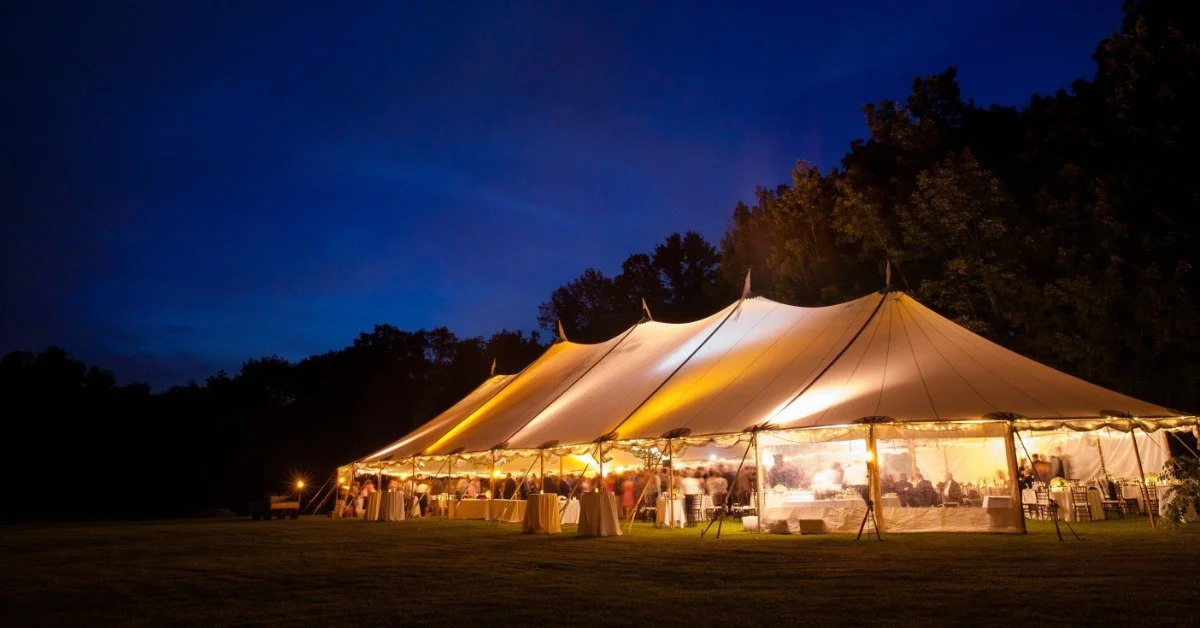
Aesthetic Considerations
Choosing the proper tent weights for your tent also requires looking at how the material will impact aesthetics. Function comes first, though appearance still matters. Event planners want a clean, cohesive look, and tent weights can play a part in that.
Steel plates and covered weights offer a more polished appearance. This approach works well for weddings, corporate events, and upscale gatherings. A thoughtful layout keeps the focus on your décor, lighting, and overall atmosphere.
Pickup the Perfect Weights Today
Every event has its own set of needs, and tent weights play a quiet yet powerful role in the overall experience. From the type of weight to the surface beneath your tent, each factor contributes to a stable and secure setup. A thoughtful plan takes all these elements into account. It aligns the size of your tent with the right amount of weight, considers weather patterns, and adapts to the event location.
This level of preparation helps your event run smoothly the entire time. If you’re planning an outdoor gathering, partner with a team that understands the details. Reach out to Tents for Rent for tent rentals and get expert guidance for your next event.
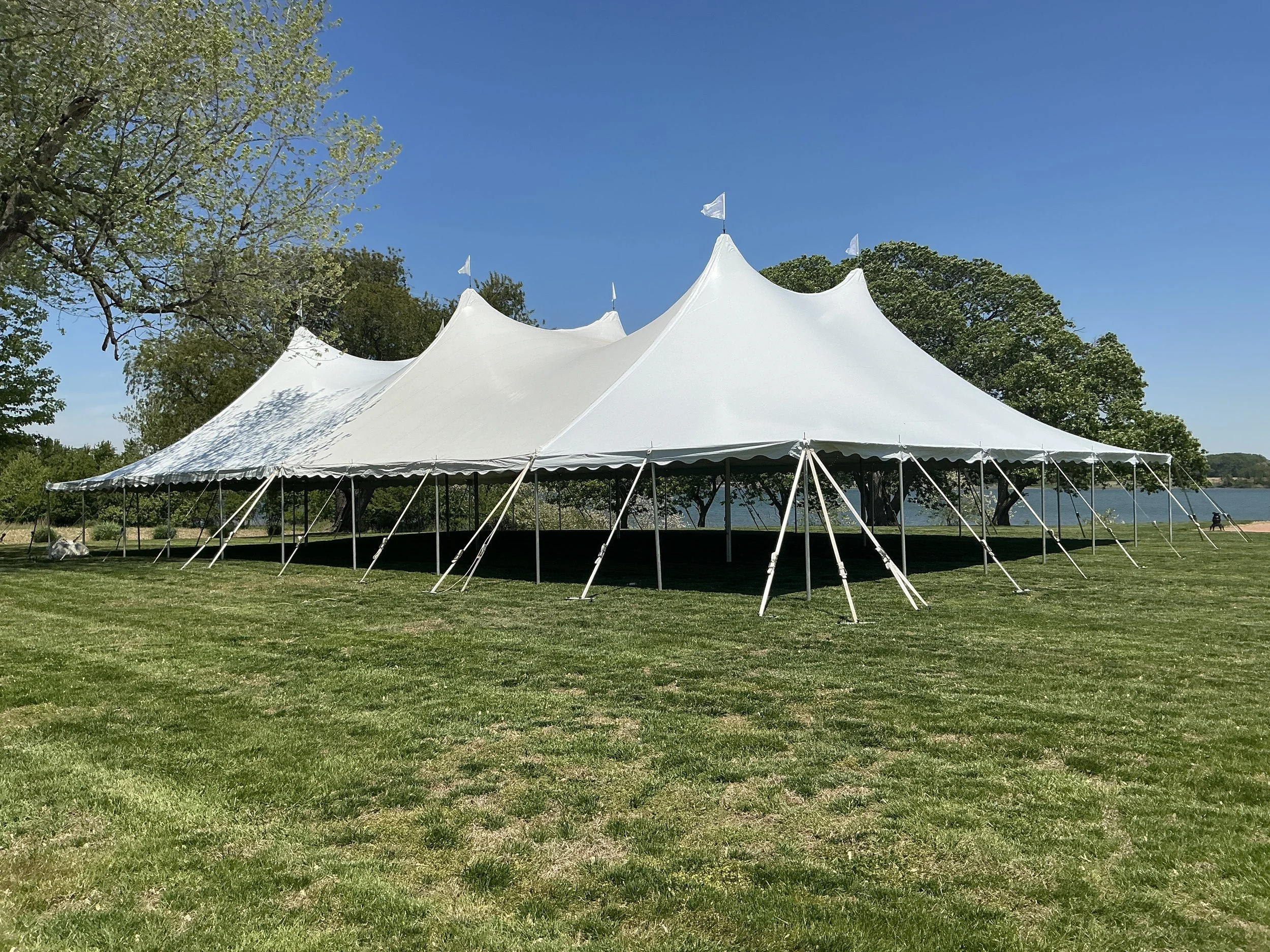
Why Should I Rent From Tents For Rent?
Why is Tents For Rent the company to choose for your once-in-a-lifetime event, annual picnic or other outdoor event?
Every reputable tent company provides:
Free assistance with planning your outdoor event: tent size recommendations etc.
Clean, safe, secure tents
Tents in many sizes
Free on-site consultations
Free CAD drawings
At Tents For Rent, we offer something more.
Why is Tents For Rent the company to choose for your once-in-a-lifetime event, annual picnic or other outdoor event?
Every reputable tent company provides:
Free assistance with planning your outdoor event: tent size recommendations etc.
Clean, safe, secure tents
Tents in many sizes
Free on-site consultations
Free CAD drawings
At Tents For Rent, we offer something more:
Weather-Flexible Installation – install a tent only in the case of inclement weather and cancel if the forecast is favorable.
Friendly staff with decades of experience
Fair, easy-to-understand pricing. Every item price is listed, and there are no hidden fees
Get a price quote quickly (often the same day during business hours)
24/7/365 on call team for emergencies
Peace of mind
Showroom where you can see our tents, tables, chairs and linens in person
On-site professional tent washing facility
Up to three days of rental at no additional cost
Only 25% down payment is required at reservation. Most tent companies require 50%.
Professional installation in many types of locations and weather – Experienced crew handles rooftops, streets, parking garages, snowstorms, and challenging locations
Over 50 years in business
Family-owned since 1972
Large inventory (over 650 tents and 700,000 square feet of fabric)
Very large tents (up to 100’ wide and 100’s of feet long)
Tents in various colors
There are other rental companies who offer discount prices, but just remember that discount prices create discount quality, discount service, discount satisfaction, and discount stress levels. Don’t take our word for it. Contact us today to see for yourself.
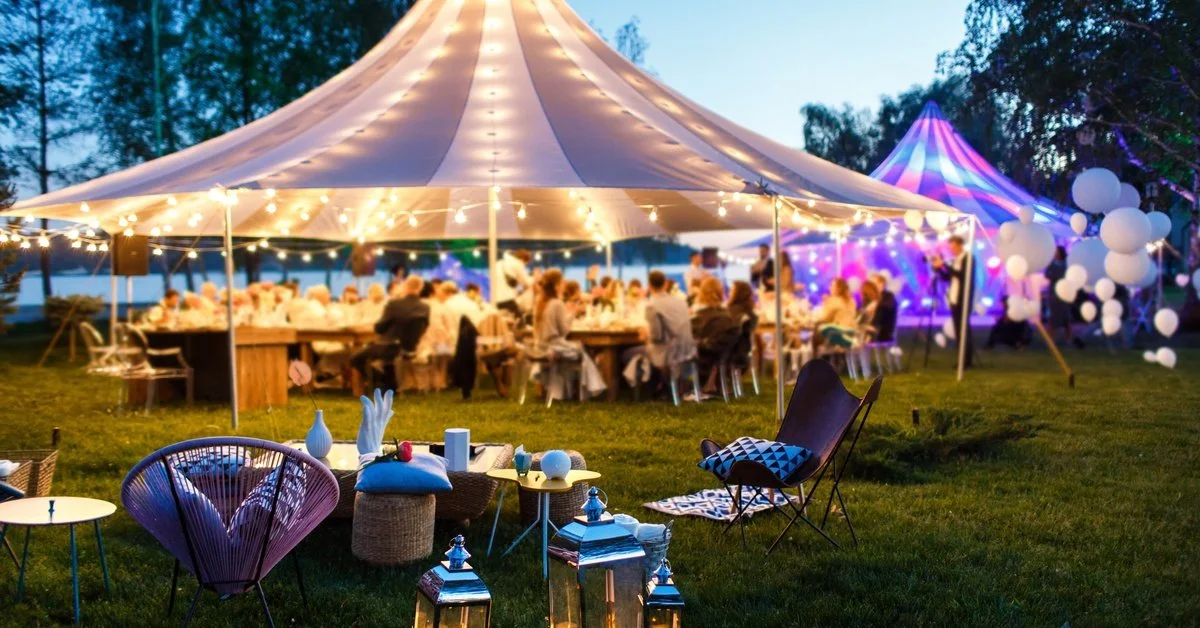
Ways To Keep Attendees Cool Throughout an Event
Keep guests comfortable at your outdoor event with smart shade, airflow, and cooling solutions that help them stay longer and enjoy every moment.
Outdoor events bring people together, but warm weather can switch the focus from fun to discomfort if you don’t manage the conditions. Guests notice temperature immediately, and it influences how long they stay and how they remember the experience. Thoughtful planning can prevent heat from becoming a distraction. Below are ways to keep attendees cool throughout an event so guests can get the most out of the experience.
Provide Strategic Shade Options
Shade is a pivotal part of your cooling strategy. Direct sunlight raises body temperature and can make outdoor spaces difficult to enjoy. Tents, canopies, umbrellas, and covered seating areas protect guests and create more usable space. Placing shade over dining and gathering areas will keep guests comfortable during key moments. Not to mention, distributing shade evenly across the venue also improves movement, as guests can circulate freely without clustering in one area.
Incorporate Airflow and Ventilation
Airflow is essential once shade is in place. Moving air helps regulate temperature and prevents heat from building under covered areas. Without circulation, shaded spaces can still feel warm and uncomfortable.
Fans placed near seating areas, entrances, and food stations help maintain consistent airflow, and open tent layouts allow natural breezes to move through the space. Additional cooling systems may be necessary to maintain stable conditions for larger events.
Offer Refreshing Hydration Stations
Easy access to beverages helps guests stay cool and comfortable, as hydration supports energy levels and reduces the effects of heat. Guests are more likely to stay longer when they can easily grab a drink, so provide multiple stations with water, iced tea, lemonade, and electrolyte drinks. Clear signage ensures guests can find them without confusion, and convenient placement encourages consistent use.
Choose Heat-Conscious Event Elements
Event design decisions also impact temperature. Lighter colors reflect sunlight, while breathable materials reduce heat retention. Choose a layout that improves airflow and reduces crowding.
Focus on these elements:
Light-colored linens and decor
Breathable seating materials
Minimal heat-producing equipment
Open layouts that reduce crowd density
These choices work together to create a more comfortable environment.
Utilize Professional Cooling Solutions
Some events require more advanced support to keep attendees cool. Larger gatherings or high temperatures often demand stronger solutions. Equipment designed for outdoor use provides consistent cooling. Options like misting systems and climate-controlled tents maintain comfort.
Focus on shade, airflow, hydration, and cooling systems to create a balanced environment that guests will appreciate. Consider using heating and cooling tent rental services to simplify setup and ensure reliable performance. Tents for Rent is your go-to for tent rentals and supplies. Contact us today to get started!

5 Rentals To Consider When Hosting a Bat or Bar Mitzvah
Planning a memorable Bat or Bar Mitzvah requires planning and attention to detail. Here are five rentals to consider to make sure the event runs smoothly.
Planning a Bat or Bar Mitzvah involves many moving parts, and rentals often shape how smoothly the celebration runs. The right choices support traditions, accommodate guests comfortably, and create a polished atmosphere. Below are five rentals to consider when hosting a Bat or Bar Mitzvah to give you more flexibility and control over the event’s flow.
Event Tents for Comfort and Flexibility
An event tent gives families the freedom to host the celebration at home or another meaningful location. Tents protect guests from sun, wind, and unexpected rain while clearly defining the event space. Many families choose party tents because they allow outdoor celebrations that are comfortable and stylish. A properly sized tent also helps with layout planning, including seating, dancing, and food service.
Tables That Support Dining and Traditions
Tables play a central role during a Bat or Bar Mitzvah, from meals to ceremonial elements. Dining tables keep guests comfortable during long celebrations, while specialty tables support gift displays, dessert stations, or ceremonial items. Choosing the right shapes and sizes helps traffic flow and prevents crowding, while thoughtful placement encourages conversation and connection among guests.
Chairs That Keep Guests Engaged
Chairs affect guest comfort more than many hosts expect. Sturdy, attractive seating encourages guests to stay present during speeches, blessings, and performances. Matching chairs to the event’s tone also elevates the overall look. Guests can focus on the celebration better when they feel comfortable.
Lighting To Set the Mood
Lighting transforms a tent or venue from functional to festive. Soft lighting works well during dinner, while colorful options energize the dance floor. Strategic lighting also highlights key areas, such as the head table or stage, and supports photography. Spending time on lighting makes the event feel intentional from start to finish.
Dance Floors for Celebration and Movement
A dance floor gives guests a dedicated place to celebrate together. It protects the ground while creating a clear focal point for music and dancing. They also define the party portion of the event, signaling a transition from formal moments to celebration. Families often consider this rental essential for keeping energy high.
Bringing the Event Together
Consider these five rentals when hosting a Bat or Bar Mitzvah, and discover how each piece supports comfort, tradition, and flow. Thoughtful rental choices reduce stress and make the celebration feel cohesive and welcoming.
If you are planning a Bat or Bar Mitzvah and want guidance on rentals that fit your space and guest count, contact Tents for Rent to start the conversation. We offer party tents in PA and surrounding areas. Request a quote today!
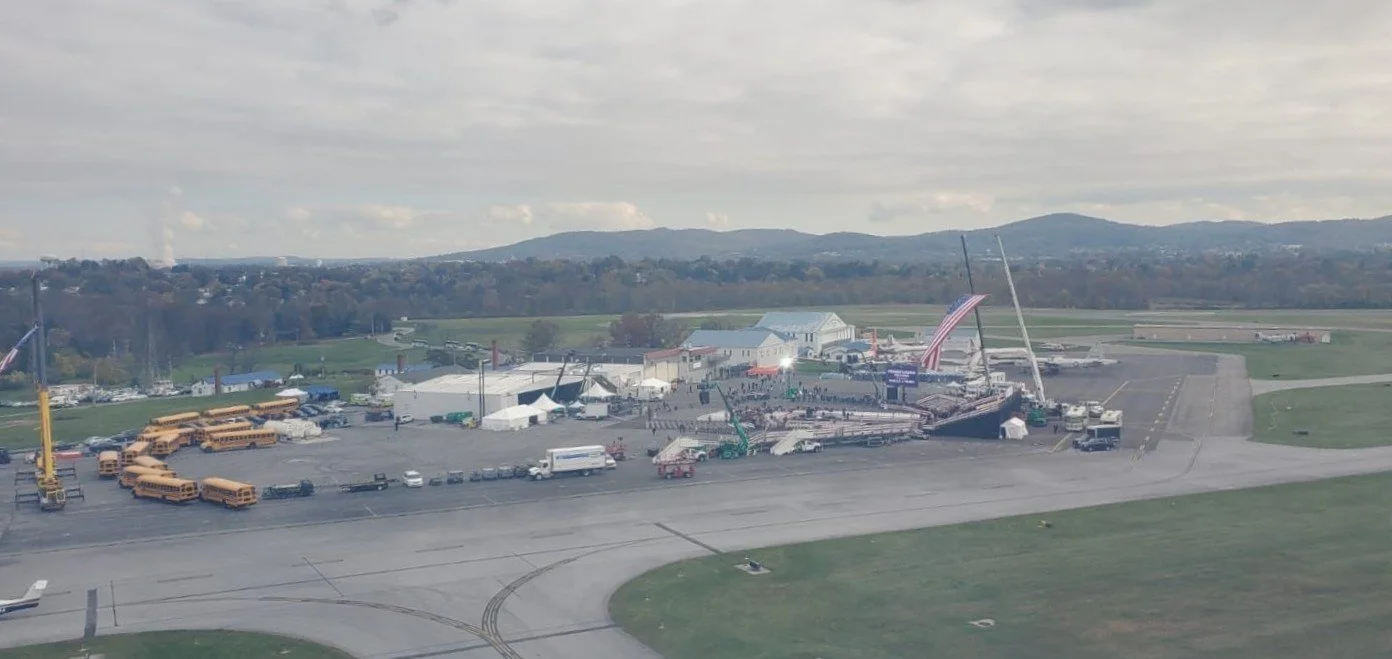
Mastering Airport Events with Tents For Rent
Hosting an airport event like an air show or political rally? Discover how Tents For Rent in Ephrata, PA, tackles the chaos with expert tent rentals. From massive inventories of weighted tents, tables, and power setups to on-time deliveries that sync with airport schedules, we ensure your gathering stays seamless and secure. Learn about our bombproof anchoring (10 lbs. per sq ft!) and pro US crew in our latest video and full guide. Ready to elevate your event? Read more for tips and contact us today!
Hosting an event at an airport – whether it's a thrilling air show, a high-stakes political rally, or a captivating historical reenactment – comes with unique challenges. From unpredictable weather and jet blasts to massive crowds and strict security protocols, you need a rental partner who understands the terrain. That's where Tents For Rent, based in Lititz, PA, steps in. With over 50 years of experience, we're experts in delivering rock-solid solutions that keep your event grounded and guests impressed. Check out our latest video below for a quick overview, and read on for the full scoop!
A Vast Inventory Tailored for Airport Scale
Airport events demand versatility and volume. At Tents For Rent, our extensive inventory covers it all: weighted or staked tents ranging from compact 10x10 units to expansive structures hundreds of feet long and perfect for sheltering thousands. But we don't stop at tents – add tables, chairs, staging, lighting, power generators, and climate control to create a fully equipped space. Our high-quality, heavy-duty products are built to withstand the rigors of large crowds and outdoor demands, ensuring your setup looks professional and performs flawlessly. Customize to your needs and watch your vision come to life.
On-Time Delivery and Adaptable Service
Airports operate like clockwork, and so do we. Planning ahead with our team means precise coordination with airport authorities for timely delivery and removal – no hiccups on your schedule. Drawing from decades of event experience, we handle everything from air shows to rallies with ease. And if surprises arise, like sudden weather shifts or last-minute adjustments, our responsive crew adapts quickly to keep things moving. Focus on your event's success, and let us handle the logistics.
Unmatched Safety and Security for Tents
Safety isn't optional at airports, where helicopter rotor wash, jet exhaust, or strong winds can pose real threats. We secure our tents with approximately 10 lbs. of concrete weights per square foot (or stakes where permitted), creating setups that stand firm against the elements. This proven method has kept events safe and stable time and again, giving you peace of mind amid the action.
A Professional Crew You Can Trust
Our team is the backbone of every successful setup. Comprising US citizens for secure sites like airports, they prioritize respect: caring for the property, adhering to perimeters, and executing safe, efficient installations. Passionate and professional, they go the extra mile to ensure your event runs smoothly from start to finish.
Why Choose Tents For Rent for Your Next Airport Event?
In the fast-paced world of airport gatherings, you deserve a partner who's reliable, experienced, and equipped for anything. Tents For Rent delivers on all fronts – wide inventory, punctual service, bombproof security, and a top-tier crew. Ready to elevate your event? Contact us today. Let's make your airport event an unforgettable triumph!

Things To Consider When Hosting a Winter Event
Planning a winter celebration? Follow our tips on heating solutions, tent styles, and flooring to keep your guests warm and happy throughout the event.
Nothing beats the beauty of an outdoor celebration in winter. The crisp air and potential for snow provide a stunning, sparkling backdrop for weddings and corporate gatherings. Summer parties often get the glory, but a cold-weather celebration stands out. However, you must prepare for guest safety and comfort in colder temperatures. We compiled a list of things to consider when hosting a winter event to help you execute a flawless gathering.
Prioritize Heating Solutions
Your main priority is keeping guests comfortable so they stay for the duration of the party. Heaters turn a chilly tent into a cozy haven. We recommend renting powerful tent heaters that circulate warm air effectively throughout the space. Thermostats allow you to control the temperature so it never gets too hot or too cold. Combining heaters with full sidewalls creates a seal against the elements. This setup traps heat inside and blocks freezing winds so guests can leave their heavy coats at the door.
Select the Correct Tent Structure
Winter weather demands sturdy equipment that can withstand heavy snow loads and strong winds. Clearspan tents often provide the best protection against harsh weather because they lack center poles. You might also choose a clear top tent for the aesthetic. These allow guests to dine under the stars or watch the snow fall while staying warm and dry. You can consult with us to match the tent style to your location and weather forecast!
Focus on Flooring and Lighting
The ground freezes in winter, which creates a cold base for your event. Installing flooring elevates your guests off the frozen earth, keeping their feet warm and shoes clean from slush or mud. You can even add carpeting for extra insulation. Additionally, winter days end quickly, so you lose natural light early in the evening. You need adequate lighting for safety and ambiance. Consider these options to brighten the space:
Bistro lights for a warm, inviting glow
Chandeliers for a touch of elegance
Walkway lighting for safe entry and exit
Uplighting to highlight tent features and decor
Plan for Snow Removal
Snow looks beautiful in photos, but it causes logistical challenges for vendors and attendees. You need a clear path for caterers, entertainment, and guests to enter the venue safely. Coordinate with your venue or a snow removal service to plow parking lots and salt walkways before anyone arrives. Monitoring the weather forecast in the days leading up to the party allows you to activate your snow removal plan immediately if a storm hits.
Create a Cozy Winter Experience
A winter event offers magic that summer simply cannot match. Make sure to address heating, structure, flooring, and logistics to provide a comfortable experience for your guests. Considering these things when hosting a winter event guarantees you’ll be prepared for the season’s unique demands. Tents for Rent offers reliable winter tent rentals in PA and the surrounding states. Contact us today for the expertise and weather-resistant equipment to make your cold-weather celebration a success.

Top 5 Vendors a Wedding Coordinator Should Prioritize
As a wedding coordinator, it’s vital that you cover all the bases so your clients can enjoy a perfect day. Make sure you secure these vendors first!
Are you wondering which vendors to book first for a wedding? As a wedding coordinator, your timeline is everything. Securing the right professionals early ensures a smoother planning process so you can bring your client’s vision to life. This list covers the top five vendors a wedding coordinator should prioritize to set the foundation for a memorable event. Let’s create an unforgettable day!
The Venue
The venue sets the tone for the entire wedding. It influences everything, from the guest count and decor to the overall style. Besides, you need a date and a location before you can book any other vendor.
Does your client envision a rustic barn, a chic city loft, or a grand ballroom? Popular spots book more than a year in advance, so work with your client to secure their dream venue early. This decision solidifies the wedding date and provides the canvas upon which you will paint the rest of the event.
The Photographer
After the venue, lock in the photographer. Why? Talented visual artists have limited availability, and their schedules fill up quickly. Couples often have a style in mind for their photos and videos, and finding the right fit is crucial. These vendors capture the memories that the couple will cherish for a lifetime, making them an essential early booking. You want to ensure you get your client’s first choice, not their third or fourth.
The Caterer
Food is a huge part of the guest experience. If the chosen venue does not offer in-house catering, you must find a caterer immediately. Many caterers can only handle one or two events per day. Booking early gives you and your client ample time for tastings and menu customization. It also ensures the caterer can accommodate dietary restrictions and special requests without issue.
The Entertainment
Music creates the atmosphere for the ceremony and reception. Whether the couple wants a live band or a DJ, the best entertainers are in high demand.
Here are some questions to ask:
What is the vibe for the cocktail hour?
Do they want a lively dance floor?
Will there be a special first dance song?
Finalizing the entertainment early shapes the flow and energy of the wedding day, ensuring the celebration is lively and engaging for all guests.
The Tent and Event Rentals
Rentals are a top priority for outdoor weddings. A big white tent rental provides a backup plan for inclement weather, and it defines the event space. You must book tents, tables, chairs, and linens well in advance to guarantee availability, especially during peak season. Discussing these needs early helps you craft a cohesive and functional layout.
Prioritizing these vendors will make your job as a wedding coordinator easier and your clients happier. Are you ready to plan a flawless event? Contact Tents for Rent today for your rental needs, and let’s bring your vision to life, rain or shine!
Things To Consider When Planning a Corporate Holiday Party
Plan your corporate holiday party with essential tips on budget management and weather preparedness. Create a truly memorable celebration for your team.
Planning a successful corporate holiday party requires careful attention to details that can make or break your celebration. Organizing an intimate team gathering or a large-scale company-wide event requires more than simply booking a venue and ordering catering. There are plenty of things to consider when planning a corporate holiday party—from budget constraints to weather contingencies. We’ll explore them below.
Budget and Venue Selection
Your budget determines every aspect of your corporate holiday party, so establish clear financial parameters early in the planning process. Consider all potential expenses, including venue rental, catering, entertainment, decorations, and any unexpected costs that might arise.
The venue will take up a large portion of your event budget. Outdoor spaces provide a unique ambiance, but they require additional planning. If you’re considering an outdoor winter celebration, winter party rentals are essential for guest comfort and weather protection. Evaluate venues based on capacity, accessibility, parking availability, and proximity to your office location.
Guest Experience and Logistics
You must accommodate diverse needs and preferences to host an enjoyable celebration for all your team members. Consider dietary restrictions, accessibility requirements, and varying comfort levels with different types of entertainment. Some employees may prefer quiet networking opportunities, while others may enjoy interactive activities and games.
Transportation logistics deserve special attention, particularly for evening events. Consider these key factors:
Parking availability and costs
Public transportation access
Rideshare coordination for alcohol service
Weather-related travel challenges
Timing to accommodate different work schedules
Plan your event timeline carefully, allowing adequate time for arrival, socializing, dining, and any planned activities without making the celebration feel rushed or overly lengthy.
Weather Contingencies and Seasonal Considerations
Prepare for unpredictable December weather when planning for your event. Do you have a solid backup plan in the event of a snowstorm? Even indoor venues require weather contingency plans for potential travel delays or heating issues.
Clear communication is key to a stress-free and enjoyable party for everyone. Be sure to inform your team about weather expectations and backup plans. Provide guidance on the dress code, considering the venue’s style and potential weather challenges. Set clear expectations to minimize last-minute stress and ensure everyone is prepared to have a wonderful time.
Making Your Corporate Holiday Party Memorable
Pulling off a perfect corporate holiday party requires striking a balance between professional objectives and genuine celebration. Focus on creating opportunities for team bonding while maintaining appropriate workplace boundaries. Consider incorporating company achievements, employee recognition, or charitable giving to reinforce your organization’s core values. This thoughtful approach ensures the party resonates with your team.
Remember, the most successful holiday parties prioritize employee enjoyment and team building, not just elaborate displays. Your meticulous planning and attention to these key considerations will guarantee a memorable corporate holiday party that strengthens workplace relationships and boosts team morale.
Ready to make your corporate holiday party unforgettable? Contact Tents for Rent today for personalized guidance and a stress-free experience!