What To Know Before Renting Tents for a School Carnival
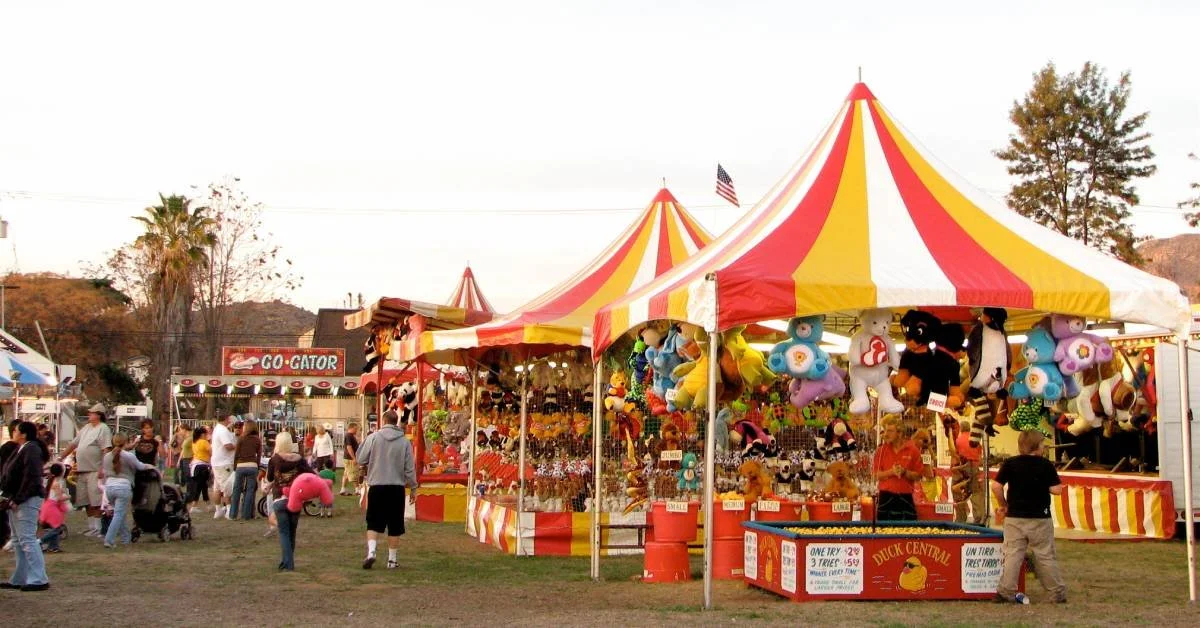
School carnivals bring students, families, teachers, and community members together for a day full of fun. From game booths and food stations to prize tables and live entertainment, there’s a lot to coordinate before the big day arrives. One detail that deserves careful planning is the event tent setup. Before final plans take shape, take time to learn what to know before renting tents for a school carnival.
Start With Attendance Estimates
One of the first pieces of information a rental company will need is the expected guest count. A carnival with 200 attendees requires a very different setup than one with 1,000 guests. Attendance estimates help determine tent size and seating arrangements. Even if exact numbers aren't available, a reasonable estimate gives planners a solid starting point.
Think beyond students alone. Parents, grandparents, faculty members, volunteers, vendors, and community guests can all add to the crowd. A larger attendance estimate usually leads to a more comfortable event layout. Giving guests enough room to move around helps reduce congestion near popular attractions and food stations.
Consider How the Tents Will Be Used
Not every tent at a school carnival serves the same purpose. Some may provide shade for dining areas, while others cover ticket booths, game stations, or entertainment spaces. Creating a list of planned activities helps determine how many tents you need and what sizes work best for each area. Common carnival tent uses include:
Food and beverage stations
Prize redemption tables
Registration and ticket sales
Volunteer headquarters
Dining and seating areas
First aid stations
Performance spaces
Each activity benefits from a layout accurately designed around guest flow and accessibility.
Evaluate the Event Site
The location plays a major role in tent planning. Open fields, parking lots, playground areas, and athletic facilities all present different setup considerations. Before reserving tents, review the available space carefully.
Measure the event area and identify any obstacles that could affect installation. The items you must evaluate include tree branches, utility lines, fences, sports equipment, slopes/uneven ground, and nearby buildings. A discussion or site visit with an experienced rental company can help identify potential challenges before setup day arrives.

Plan for Weather Conditions
Weather can change quickly, especially during spring and fall carnival seasons. A sunny forecast today doesn't always guarantee clear skies on event day. Tents provide protection from sun exposure and light rain, giving guests a more comfortable place to gather.
Additional rental items may improve comfort even further. Depending on the season, planners may choose sidewalls, fans, lighting, or flooring. Weather preparation allows carnival activities to continue with fewer interruptions and helps organizers feel more confident as the event approaches.
Think About Seating and Dining Areas
Many school carnivals include food vendors or snack stands. Guests appreciate having a designated place to sit and eat. Tent-covered dining areas create a central gathering space where families can take a break between activities.
When planning seating, consider the number of tables and chairs you will need, as well as the space necessary between each table. This helps with maximizing comfort and accessibility during events.
Never overlook traffic flow around dining areas. A crowded seating section can create bottlenecks. A thoughtful layout helps guests move smoothly throughout the event.
Don't Forget Power Requirements
Before finalizing the tent layout, identify any activities that require power access. This information helps organizers determine outlet locations, extension cord needs, and generator requirements. Early planning also reduces the chance of cords crossing high-traffic walkways. When power needs are accurately discussed in advance, setup crews can create a safer and more organized event environment.
Create a Clear Event Layout
A well-organized carnival feels easier to navigate. Guests can quickly find attractions, food stations, and rest areas without confusion. Before tents arrive, sketch a rough site map that shows where activities will take place. This visual guide helps coordinate tent placement and supports smoother event logistics.
Popular attractions tend to draw larger crowds. Leaving extra space around those areas can improve traffic flow throughout the venue. A strong layout contributes to a more enjoyable guest experience from arrival through departure.
Reserve Tents Early
School carnivals frequently take place during busy event seasons. Graduation parties, weddings, community festivals, and corporate events may compete for the same rental inventory. Waiting until the last minute can limit tent size options and accessory availability. Early reservations provide several advantages:
Greater inventory selection
More scheduling flexibility
Additional planning time
Better coordination with vendors
Reduced stress before the event
Organizers should begin rental conversations several months before the carnival date.
Ask About Additional Rental Items
A tent rental company can usually provide more than tents alone. Many schools find value in working with a single provider for multiple event needs. Additional rentals can help streamline the planning process and create a more cohesive setup. Popular carnival rentals may include:
Tables
Chairs
Lighting
Dance floors
Portable restrooms
Linens
Crowd control equipment
Bundling rentals through one company may reduce coordination challenges and simplify logistics. For instance, at Tents For Rent, we provide event tent rentals in PA and surrounding states, but we can also supply materials for tables, lighting, staging, and more.
Understand Setup and Removal Logistics
Installation timing deserves attention during the planning phase. Schools need to know when crews will arrive, how long setup will take, and when equipment removal will occur. These details affect parking availability, school operations, and volunteer scheduling. Discussing logistics early helps avoid surprises during event week. Many rental companies handle delivery, installation, and removal, allowing school staff and volunteers to focus on other responsibilities.
Prioritize Safety
School events require special attention to safety. Tents should be professionally installed and properly secured based on site conditions. Experienced rental teams understand industry standards and use equipment designed to provide stable support.
Safety planning should also include securing clear walkways, accessible exits, and emergency access routes. This is where you should also pay special attention to proper lighting and organized power distribution. Loose wires in areas with even minimal foot traffic create major health hazards. Thoughtful preparation helps create a comfortable environment for students, families, staff, and visitors.
Work With an Experienced Tent Rental Partner
School carnivals involve many moving parts. An experienced tent rental company brings valuable knowledge that can help organizers avoid common challenges. Rental professionals can recommend tent sizes, suggest layout improvements, and identify solutions based on the event's goals. Good communication throughout the planning process helps create a setup that supports both functionality and guest comfort.
Taking time to understand what to know before renting tents for a school carnival helps organizers create a welcoming space for students, families, and community members. If you're planning an upcoming school carnival, connect with a trusted tent rental provider early in the process. Professional guidance, quality equipment, and thoughtful event planning will transform an outdoor space into a fun and memorable destination for everyone who attends.