The Vendors a Wedding Coordinator Should Prioritize
Every wedding comes together through teamwork, clear plans, and the right vendor mix. A coordinator sets the tone for that process and keeps every detail aligned. When the right vendors take priority early, the entire event feels smoother and far less stressful. If you’re planning a wedding or working with a coordinator, this guide will help you focus on the partnerships that matter most. Let’s break down how you can successfully organize the vendors a wedding coordinator should prioritize so you can bring the big day together beautifully.
Venue and Rental Team: The Foundation of the Day
Every wedding starts with a space. The venue shapes the layout, timeline, and guest experience. For outdoor celebrations, a rental company plays an even larger role since it provides structure, comfort, and atmosphere.
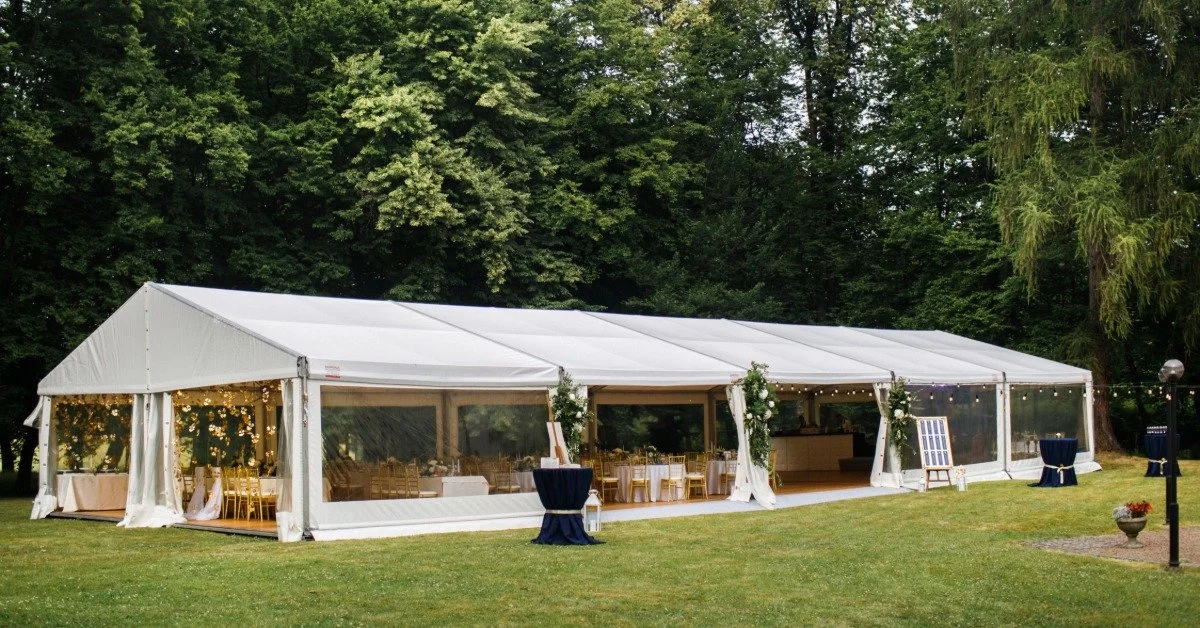
You can rent a wide range of items from vendors before a wedding. A key example is a white tent rental, which help you establish a great outdoor space without fully purchasing the materials. A strong rental partner offers more than tents. They can provide tables, chairs, lighting, and layout support.
That level of service keeps the event cohesive and polished. A backyard wedding can feel like a full venue once the right tent and lighting plan come into place. A coordinator should connect with the rental team early.
This step helps avoid last-minute layout changes or supply gaps. It also opens the door for creative ideas that elevate the entire setup. Let’s take a closer look at the many other vendors you will have to collaborate with before your next wedding.
Catering Team: Fuel for the Celebration
Food sets the mood in ways guests never forget. A skilled catering team brings flavor, timing, and service together in a seamless way. Coordinators should give this vendor top attention since meal service affects the entire schedule.
A caterer with event experience knows how to pace courses, manage staff, and adapt to real-time changes. Picture a reception where dinner flows smoothly into speeches and dancing. That rhythm comes from strong coordination between planner and caterer.
Clear communication helps avoid delays or confusion. Menu choices, dietary needs, and service style should all align well before the wedding day. A reliable caterer keeps guests happy and the timeline on track.
Photographer and Videographer: Capturing Every Moment
Memories last long after the final song. A photographer and videographer turn those moments into lasting keepsakes. A coordinator should treat these vendors as close partners throughout the planning process.
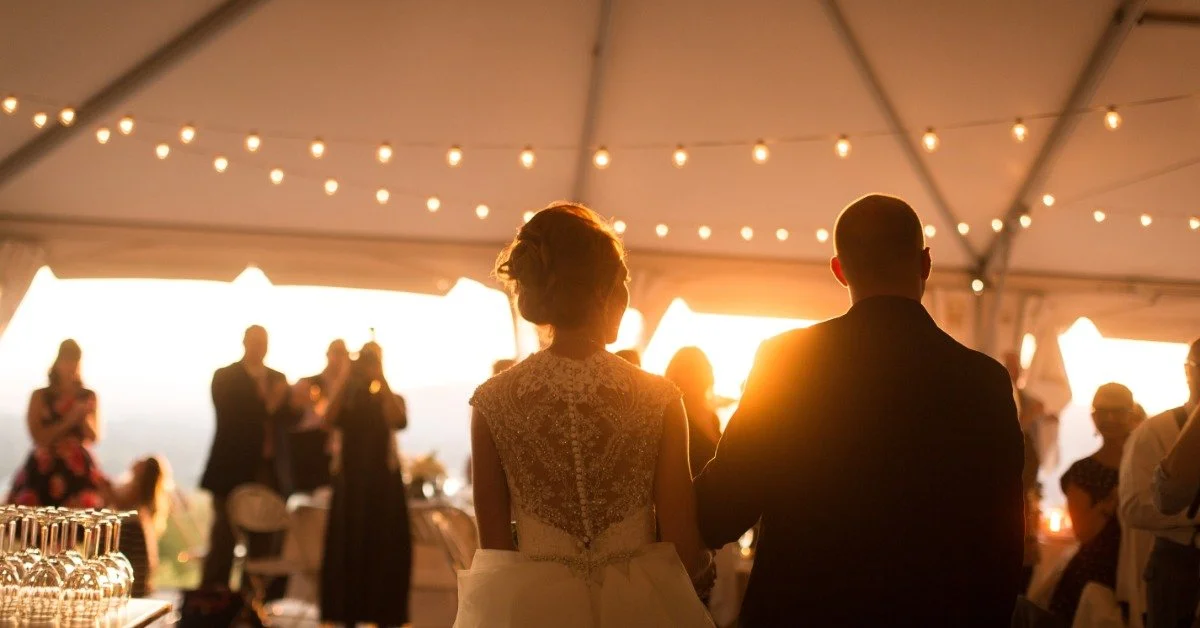
These professionals need a clear schedule, good lighting conditions, and access to key moments. For example, sunset photos require precise timing and a well-planned location. A coordinator helps create that opportunity by managing the timeline.
Florist and Decor Team: Setting the Scene
Flowers and decor bring personality into the space. They tie together color, texture, and style. A coordinator should choose this vendor to keep the visual theme consistent.
A florist does more than create bouquets. They design centerpieces, ceremony arches, and accent details that enhance the setting. A soft color palette paired with elegant linens can transform a simple tent into a refined space.
Coordination matters here. Delivery times, setup needs, and placement details all require clear direction. When everything aligns, the decor feels intentional and polished.

Entertainment: Energy and Atmosphere
Music shapes the energy of the event. A DJ or live band controls the flow of the reception and keeps guests engaged. A coordinator should work closely with this vendor to create a balanced timeline.
A skilled entertainer reads the crowd and adjusts as necessary. They know when to slow things down and when to build excitement. A packed dance floor typically comes from the right mix of songs and timing. The entertainment team should have a clear schedule for entrances, speeches, and special dances. That structure keeps the event moving smoothly from one moment to the next.
Hair and Makeup Team: Starting the Day Right
The wedding day begins long before the ceremony. Hair and makeup set the tone for the entire experience. A coordinator should treat this vendor as part of the core team.
A skilled beauty team works efficiently and keeps the schedule moving. They also create looks that last through photos, weather, and hours of celebration. For instance, a well-planned schedule allows each member of the wedding party to feel relaxed and ready.
Transportation: Keeping Everyone on Track
Transportation may not seem glamorous, but it plays a major role in timing and guest experience. A coordinator should give this vendor proper attention to avoid delays. Shuttle services help move guests between locations with ease.
This option works well for weddings with separate ceremony and reception sites. It also keeps parking simple and organized. A clear schedule helps prevent confusion. Pickup times, routes, and contact details should all stay well documented.
Planner or Coordinator Support Team
Even experienced coordinators benefit from extra support. Assistants help manage logistics, guide guests, and handle small tasks that pop up throughout the day. A well-prepared support team allows the lead coordinator to focus on big-picture decisions.
For instance, one person can handle vendor arrivals while another directs guests to their seats. This layer of support keeps everything organized and reduces stress. It also allows quick responses to any unexpected changes.
How to Approach Vendor Priorities With Confidence
A coordinator does more than book vendors. They build a team that works well together. Each connection adds value and supports the overall vision.
Start with vendors that shape the structure of the event. Venue, rentals, and catering form the base. From there, focus on vendors that enhance the experience, such as photography, decor, and entertainment.
Strong communication ties everything together. Clear expectations and shared timelines help each vendor perform at their best. When that alignment takes place, the entire event feels smooth and enjoyable.
Final Thoughts
Identifying all the vendors a wedding coordinator should prioritize is critical for keeping the big day on track. A wedding feels effortless when the right vendors work as one team. Every good coordinator plays a central role in that process by focusing on the partnerships that matter most.
From the venue to the final song, each vendor adds value in a unique way. If you’re planning an outdoor wedding, connect with a reliable rental provider to set the stage for success. A strong foundation allows every other detail to fall into place with confidence.