Essential Tips for Planning a Multi-Day Outdoor Event
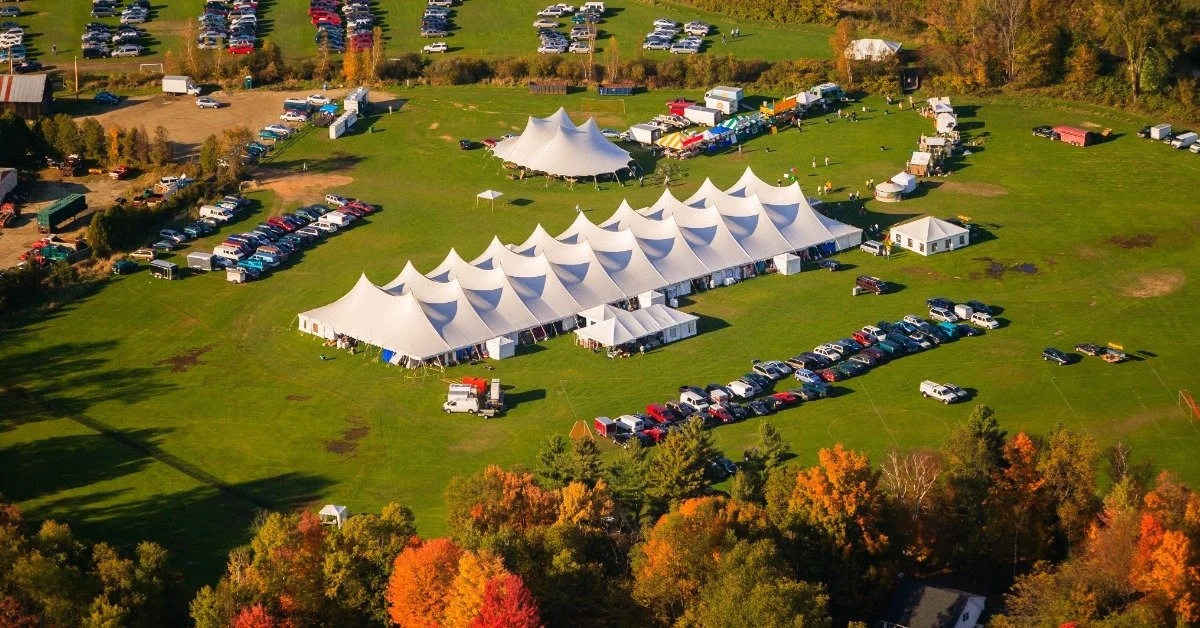
Outdoor events that span several days create memorable experiences, but they also demand far more preparation than a single afternoon celebration. Every extra day adds new logistics and another layer of coordination. A smart plan allows guests, vendors, and staff to stay comfortable from the first welcome through the final farewell. Jump into the guide below to find the essential tips for planning a multi-day outdoor event.
Start With a Detailed Master Timeline
A multi-day event has countless moving parts, so a master timeline serves as the foundation for everything else. Instead of focusing only on the main celebration, map out deliveries, setup periods, rehearsals, vendor arrivals, guest activities, cleanup, and equipment removal. Every item deserves its own place on the schedule so no task slips through the cracks.
Build extra time into every phase. Traffic delays, weather shifts, or last-minute requests can affect even the best plans. A little breathing room gives everyone the chance to adjust without throwing the entire event off balance. Share updated timelines with vendors well before arrival dates. Caterers, photographers, rental companies, entertainers, and coordinators all benefit from the same schedule because everyone understands how their responsibilities fit into the larger picture.
Select Equipment That Can Handle Several Days Outdoors
Tent selection deserves careful thought for a multi-day event. Attractive designs certainly matter, but durability and comfort carry even greater value after guests spend several days under the structure. High-quality tents stand up better to changing weather and provide a welcoming atmosphere throughout the event.
Tables, chairs, flooring, lighting, and climate control deserve equal attention. Comfortable seating for an afternoon may feel less inviting after multiple meals and long social gatherings. Flooring keeps walkways neat after rain, and proper lighting creates a pleasant atmosphere once daylight fades.
Working with a full-service rental company reduces coordination between multiple suppliers. One source for tents, seating, lighting, linens, and accessories creates a more cohesive experience and keeps communication straightforward throughout the planning process. Seek out an event tent rental that offers everything you need, so you can ensure a smooth process when the big event arrives.
Prepare for Weather From Every Angle
Outdoor events invite beautiful scenery, but Mother Nature writes her own schedule. A sunny forecast on day one doesn't promise perfect conditions through the remainder of the event. Smart planners develop backup strategies long before weather becomes a concern.
Rain plans deserve just as much attention as the primary schedule. Covered gathering areas, sidewalls, proper drainage, and sheltered vendor workspaces help activities continue with minimal disruption. Guests appreciate thoughtful accommodations far more than rushed solutions. Heat also deserves attention during warmer months. Fans, shaded seating areas, hydration stations, and ventilation help everyone stay comfortable throughout extended celebrations.

Keep Guests Comfortable Around the Clock
Guests remember how an event feels every bit as much as how it looks. Comfortable surroundings encourage people to stay longer, socialize freely, and enjoy every activity on the schedule. Create spaces with different purposes throughout the venue. Lounge furniture offers a quiet retreat, dining areas support conversation, and open gathering spaces invite mingling.
Families with children appreciate room to spread out, and older guests welcome comfortable seating throughout the property. Restroom availability also deserves careful planning. Multi-day events generate more traffic than shorter celebrations, so adequate facilities and regular servicing help maintain a pleasant environment for everyone.
Plan Food Service Beyond the Main Meal
Large dinners usually receive plenty of attention, but guests appreciate thoughtful food options throughout an entire event. Breakfast service, afternoon refreshments, late-night snacks, and beverages help maintain energy across multiple days. Coordinate meal schedules with planned activities. Nobody wants lunch served during speeches or entertainment.
Small adjustments create a smoother flow and encourage guests to participate without interruption. Local specialties can also add personality. Fresh regional favorites create memorable moments and give visitors another reason to talk about the event long after it ends.
Give Vendors Room to Succeed
Successful events rely on experienced vendors working together efficiently. Clear communication before arrival helps everyone understand expectations and reduces unnecessary confusion. Provide designated loading areas, parking locations, storage space, and setup windows.
Vendors perform their jobs far more effectively when they know exactly where to go and what to expect upon arrival. A shared contact list also proves valuable. Quick communication between planners, rental teams, caterers, entertainment providers, and venue representatives allows small concerns to receive immediate attention before larger complications develop.
Create Flexible Spaces for Different Activities
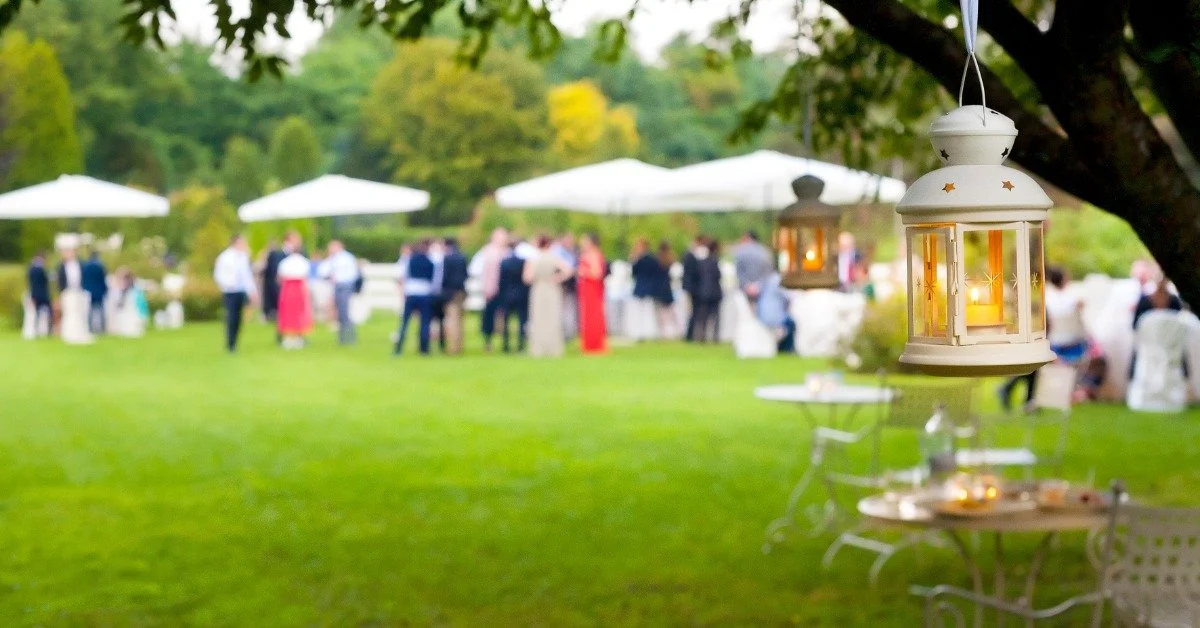
Multi-day events rarely follow one consistent format. A welcome reception may transition into seminars, family activities, dinners, ceremonies, or live entertainment across several days. Flexible layouts help every space serve multiple purposes.
Tent layouts can evolve throughout the event. Lounge furniture may replace banquet seating after dinner, dance floors can expand for evening celebrations, and meeting areas can transform into social spaces later in the schedule. Thoughtful design keeps every transition organized instead of rushed. Guests experience fresh environments without feeling like they're walking into an entirely different venue every few hours.
Stay Organized With Daily Check-Ins
No matter how carefully an event gets planned, small adjustments always appear. Daily check-ins keep everyone informed and allow minor issues to receive quick attention before they grow into larger concerns. Meet briefly with vendors and coordinators each morning. Review the day's schedule, weather outlook, delivery updates, and any overnight developments.
These conversations usually take only a few minutes but create confidence across every team. Keep printed schedules available as well. Digital copies work well, yet physical versions remain useful whenever cell service becomes unreliable or batteries run low.
Work With Experienced Event Professionals
One more essential tip for planning a multi-day outdoor event is to work with reliable vendors and service providers. Large outdoor events benefit tremendously from experienced partners. Rental specialists understand layout planning, tent placement, equipment recommendations, weather preparation, and countless details that first-time planners may overlook.
A company with years of outdoor event experience can recommend solutions based on real situations rather than theory. That practical knowledge helps avoid unnecessary stress and creates a smoother planning experience from beginning to end. Full-service providers also reduce the number of separate vendors involved. Fewer moving parts usually translate into easier communication and greater consistency across every aspect of the event.
A successful multi-day outdoor event doesn't happen by chance. Every well-planned timeline, comfortable guest space, weather backup, and coordinated vendor effort helps create an experience that feels effortless from start to finish. Taking time to prepare each detail before the first guest arrives allows everyone to relax and enjoy the event as it unfolds. As planning begins, use these tips as a roadmap, stay flexible when plans shift, and give yourself plenty of time to bring every piece together.