
The holiday season brings a special charm to outdoor events, especially when local artisans, festive decorations, and unique gifts come together in one place. A well-organized craft fair gives shoppers a chance to discover handmade treasures and support small businesses in a cheerful atmosphere. These tips for hosting an outdoor holiday craft fair will help you create an enjoyable experience for vendors and visitors alike. From thoughtful layouts to cozy amenities, a few creative touches can turn an ordinary market into a memorable holiday tradition. Start with a clear vision for your event, then explore how tent rentals and other practical additions can bring that vision to life.
Choose a Convenient Location for Your Holiday Craft Fair
Your venue sets the tone for the entire event, so look for a space that accommodates vendors, shoppers, and seasonal activities comfortably. Public parks, community centers, church properties, and downtown plazas can all serve as charming locations for an outdoor holiday market. Consider the surrounding scenery, available amenities, and proximity to local businesses that might attract additional visitors.
Accessibility deserves attention from the start. Guests should have convenient access to parking, clear pedestrian routes, and entrances that accommodate wheelchairs and strollers. You'll also want to confirm local permit requirements, restroom availability, and any restrictions on temporary structures before you finalize the location.
Create a Layout That Encourages Exploration
A craft fair should feel like a festive destination rather than a crowded collection of vendor tables. Arrange booths along wide pathways that allow shoppers to browse comfortably without obstructing foot traffic. A central aisle with smaller side paths can create an inviting market atmosphere, especially when decorative displays guide visitors toward different sections.
Consider grouping vendors by product category to help guests navigate the fair. Handmade jewelry, pottery, holiday ornaments, candles, and specialty foods can each occupy designated areas. Add a few open spaces for visitors to admire their purchases or take photographs without disrupting nearby booths.
Provide Comfortable Shelter With Event Tents
Event tents provide covered spaces for merchandise, vendor equipment, and guests who need relief from the elements. Larger tents can accommodate several booths beneath one roof, whereas smaller structures offer individual vendors their own designated spaces.
Think about how the tent arrangement complements your market layout. A spacious central tent could house featured artisans, a gift-wrapping station, or a festive lounge area. Sidewalls may provide additional protection from cold gusts, and appropriate climate-control equipment can help create a more welcoming environment. Equip yourself with clearspan structure tents that will keep guests comfortable.

Add Festive Decorations Without Overcrowding the Space
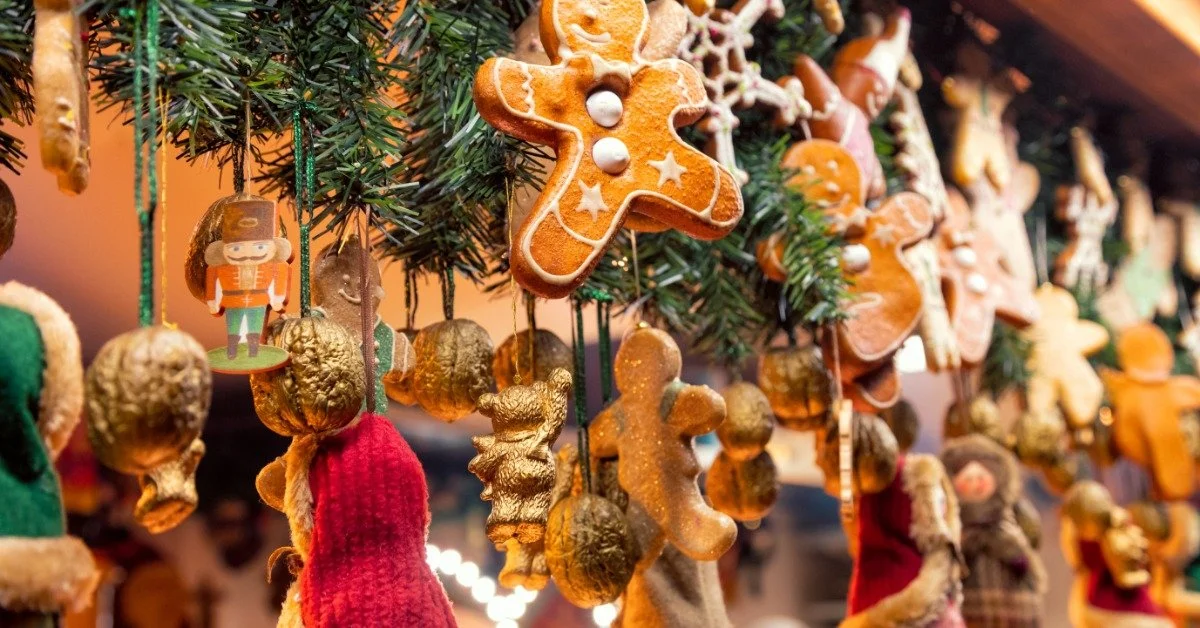
Holiday decorations transform a practical vendor area into an enchanting seasonal experience. Warm string lights and rustic wooden accents create a welcoming atmosphere without overwhelming merchandise displays. Choose a consistent color palette to give the fair a cohesive appearance.
Encourage vendors to personalize their booths within your general decorative guidelines. One artisan might feature miniature Christmas trees, whereas another could display handmade ornaments against a backdrop of natural greenery. These individual touches contribute to the market's character. Keep decorations away from walkways, heaters, electrical equipment, and emergency exits. Beautiful displays should complement the event's layout rather than interfere with guest movement.
Offer Seasonal Food and Warm Beverages
Few things complement a holiday market better than the aroma of hot chocolate and fresh pastries. Invite local food vendors to serve warm beverages, baked goods, soups, or other cold-weather favorites. These refreshments encourage guests to stay longer and enjoy the festive atmosphere.
Designate a separate food area with tables, chairs, and convenient waste stations. A covered refreshment tent can provide a pleasant place for families to rest between purchases. If vendors prepare or serve food on-site, confirm the applicable health regulations and permit requirements well before the event.
Plan Entertainment That Complements the Market
Live entertainment can add warmth and personality to your holiday craft fair. Local choirs, acoustic musicians, and school ensembles offer festive performances that appeal to guests of different ages. Schedule shorter sets throughout the day so visitors encounter entertainment at several points during their visit.
Family-friendly activities can also create memorable experiences. Consider a holiday photo backdrop, ornament-decorating station, or scheduled appearance from Santa Claus. Position these attractions away from narrow vendor aisles to prevent congestion.
Prepare for Cold Weather and Shorter Daylight Hours
Winter events require a little more preparation than their summer counterparts. Monitor weather forecasts as your event approaches, and develop a plan for rain, snow, strong winds, or unusually low temperatures. Communicate weather-related procedures to vendors before setup day.
Daylight also fades earlier during the holiday season. Arrange adequate illumination throughout vendor areas, entrances, parking spaces, and pedestrian paths. Warm decorative lights can create atmosphere, but functional lights deserve equal attention. For events that extend into the evening, discuss electrical access and generator requirements with qualified professionals. Approved outdoor heaters may provide additional comfort when installed and operated according to venue rules and manufacturer instructions.
Promote Your Holiday Craft Fair Throughout the Community
Even a beautifully organized event needs effective promotion to attract visitors. Begin publicity several weeks ahead of the fair through community calendars, social media, local newsletters, and neighborhood organizations. Share vendor highlights and photographs of featured products to build anticipation.
Encourage participating artisans to promote the fair through their own channels. Their existing customers may introduce your event to audiences beyond your usual reach. A consistent event name, recognizable graphics, and clear details about parking, admission, and hours will help people plan their visits.
Keep Vendors Informed Before Event Day
A positive vendor experience contributes to a successful craft fair. Send participants a detailed information packet that outlines arrival times, booth dimensions, unloading areas, electrical access, and cleanup procedures. Clear instructions help everyone arrive prepared and reduce confusion during setup.
Assign a designated contact person for vendor concerns throughout the event. This individual can address logistical issues, coordinate with event staff, and communicate schedule adjustments. Vendors will appreciate prompt assistance, especially during unexpected weather changes.
Bring Your Holiday Craft Fair Vision to Life
A festive market comes together through thoughtful details, from comfortable vendor spaces to memorable seasonal attractions. These tips for hosting an outdoor holiday craft fair offer an effective foundation for an event that celebrates local creativity and brings your community together. With a well-planned layout, cheerful decorations, and dependable amenities, your fair can become a tradition visitors anticipate each holiday season. Rely on the guide above to create an event environment that is exciting and enjoyable for everyone.